
Tide Pooling at Night—The Complete Guide
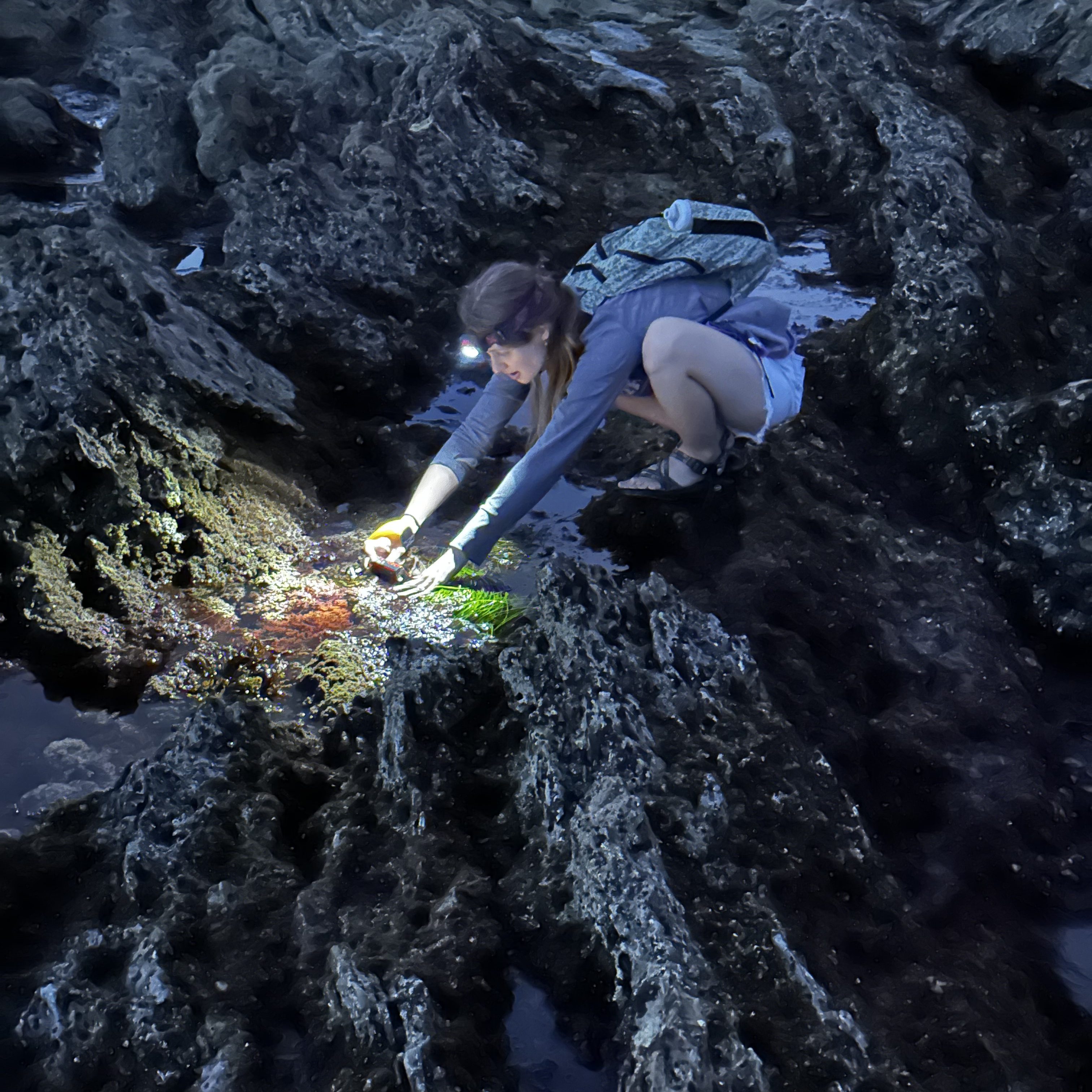
Tide pooling at night is an essential skill for an avid tide pooler. If you’re determined to find more— and more unusual— tide pool animals then you must be comfortable visiting the tide pools in the dark, often once the sun has gone down or early in the morning before dawn. While tide pooling in the dark can be intimidating, there are techniques, equipment, and safety practices that can make it an enjoyable adventure that will no doubt yield some amazing finds.
I’ve pooled together (no pun intended) lots of sources for all the info you need to start tide pooling at night. While there is certainly more information out there, this in-depth guide will get you started with everything you need to know before visiting the tide pools after dark.
- Why Go Tide Pooling at Night?
- What You Might See Tide Pooling At Night
- How to Find Animals When Tide Pooling at Night
- Nighttime Tide Pooling Safety
Why Go Tide Pooling at Night?
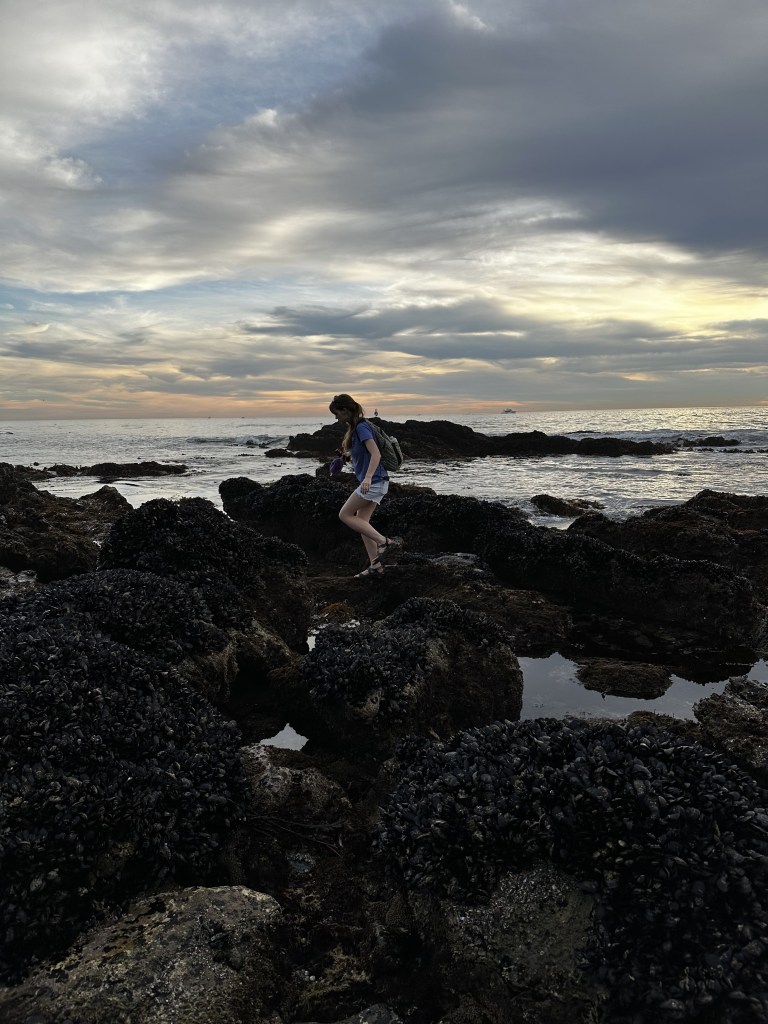
Some might wonder why anyone would want to go tide pooling at night when it’s colder, harder to see wildlife, and easier to get hurt. While these are reasonable objections, there are many reasons why avid tide poolers should and do visit the tide pools in the dark.
- That’s When the Low Tides Are: For avid tide poolers, taking advantage of the lowest tides is essential for finding unusual and low intertidal life. While there are some very low daytime tides, many of the lowest tides occur when it’s dark, late in the evening or early in the morning before sunrise. So if you want to have your best chance at finding that specific nudibranch or sub-tidal crab you’ve been searching for, you might need to visit your rocky shores in the dark.
- Nocturnal Animals: We’ll talk more about nocturnal animals in the next section, but various animal groups that live in the tide pools are more active at night than they are during the day. This might be because they are less likely to be eaten at night or because their prey is active at night. I have seen dozens of nudibranchs emerge after the sun has gone down after not seeing any during daylight hours.
- Fewer People: While crowds don’t usually directly impact what animals you can see at the tide pools, an excessive amount of people around during day time low tides can be just as annoying as crowds elsewhere, especially if you are trying to gently remind people to respect the ecosystem. At night however, you will often have the beach to yourself perhaps besides a few other avid tide poolers.
- It’s a Fun Adventure: Tide pooling in the dark can be really fun and exciting as long as you are safe. Seeing new nocturnal animals and enjoying the challenge of navigating in the dark can make your tide pooling experience all the better.
What You Might See Tide Pooling At Night
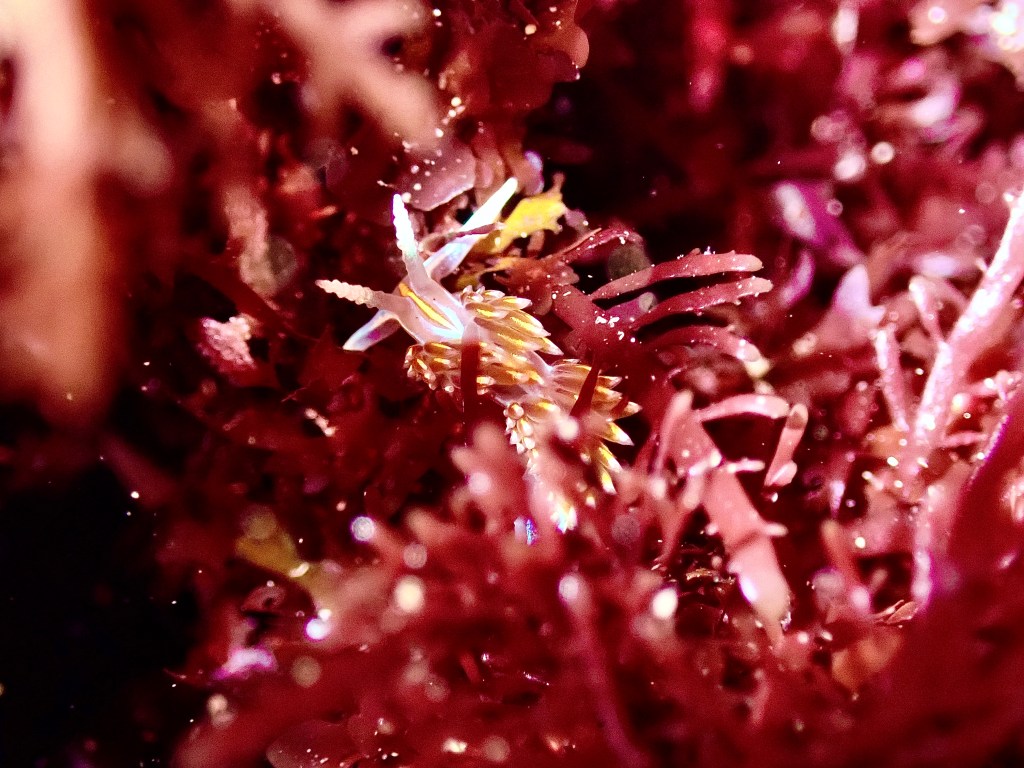
As I said above, one of the main reasons for tide pooling at night is that you will see animals that are inactive during the day. This could be for a variety of reasons. Nudibranchs, for instance, are preyed upon by fish and birds, which are both sight hunters. A nudibranch that is active at night is much less likely to be eaten than one active during the day. The same is true for crabs and other crustaceans that sometimes travel from deeper water to the shallower tide pools only at night to avoid predation while feeding. Other animals might venture out after dark simply because that’s when their prey is active. Raccoons, for instance, are more likely to catch a juicy crab at night.
Below are some animals that you might see more of, or see different varieties of, at night. Of course there are many more and what you will see will depend on where you are tide pooling, but these are typical for the Southern California area.
- Nudibranchs: While there are some mainly diurnal species, many nudibranchs prefer to emerge from the algae at night. In Southern California, common nocturnal species include opalescent nudibranchs, three-lined aeolids, and various sea goddesses.
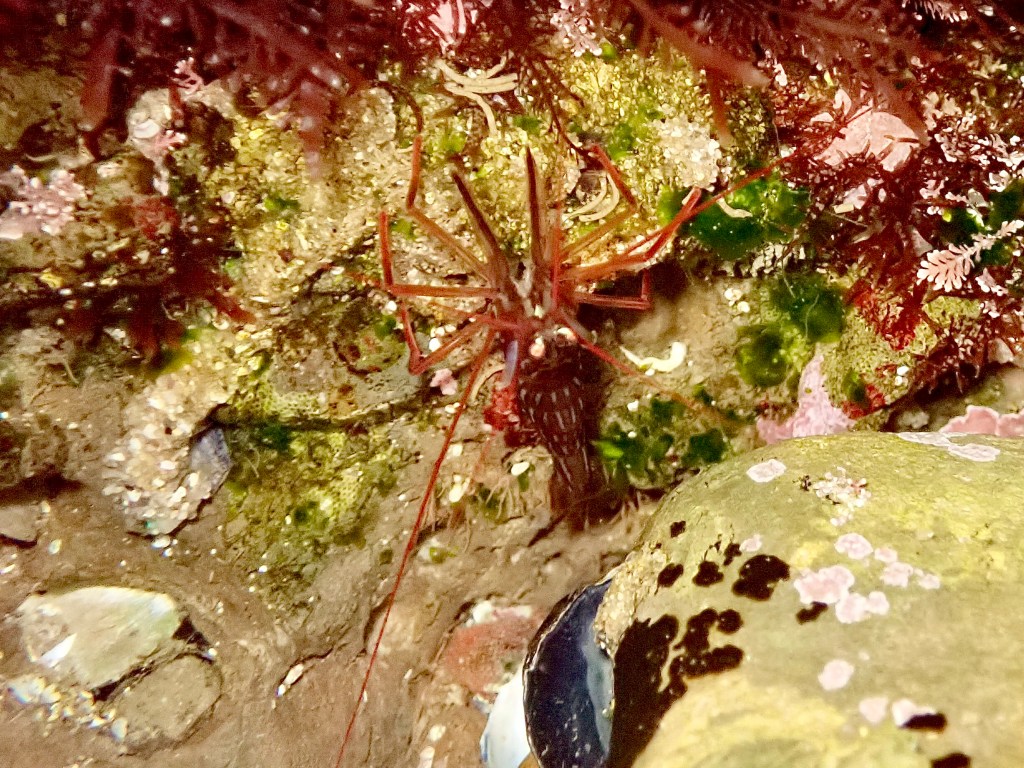
- Shrimp: Several varieties of shrimp including red rock shrimp and transparent shrimp come out in the dozens after dark in the SoCal tide pools. Look for the former variety clinging upside-down to the underside of large rocks like the one below.
- Octopi: While octopi are occasionally seen during the day, they prefer darkness for hunting and moving about. Therefore, you’re more likely to see more of the octopus than a tentacle or two if you search for them at night.
- Kelp crabs: Large crustaceans like kelp crabs are seen more often at night both because they are nocturnal and because they are less likely to be eaten at night.
- Raccoons: While land-going predators at the tide pools during the day consist mostly of sea and shore birds, raccoons are known to visit tide pools at night searching for crustaceans or mollusks to munch on. It’s not unheard of to see raccoons on rocky shores during the day, but they are mostly nocturnal animals even on land.
- Other Nocturnal Animals: Various other tide pool organisms are nocturnal and are more often seen at night. Side gills slugs are almost exclusively nocturnal and red sea urchins are also more active at night.
How to Find Animals When Tide Pooling at Night
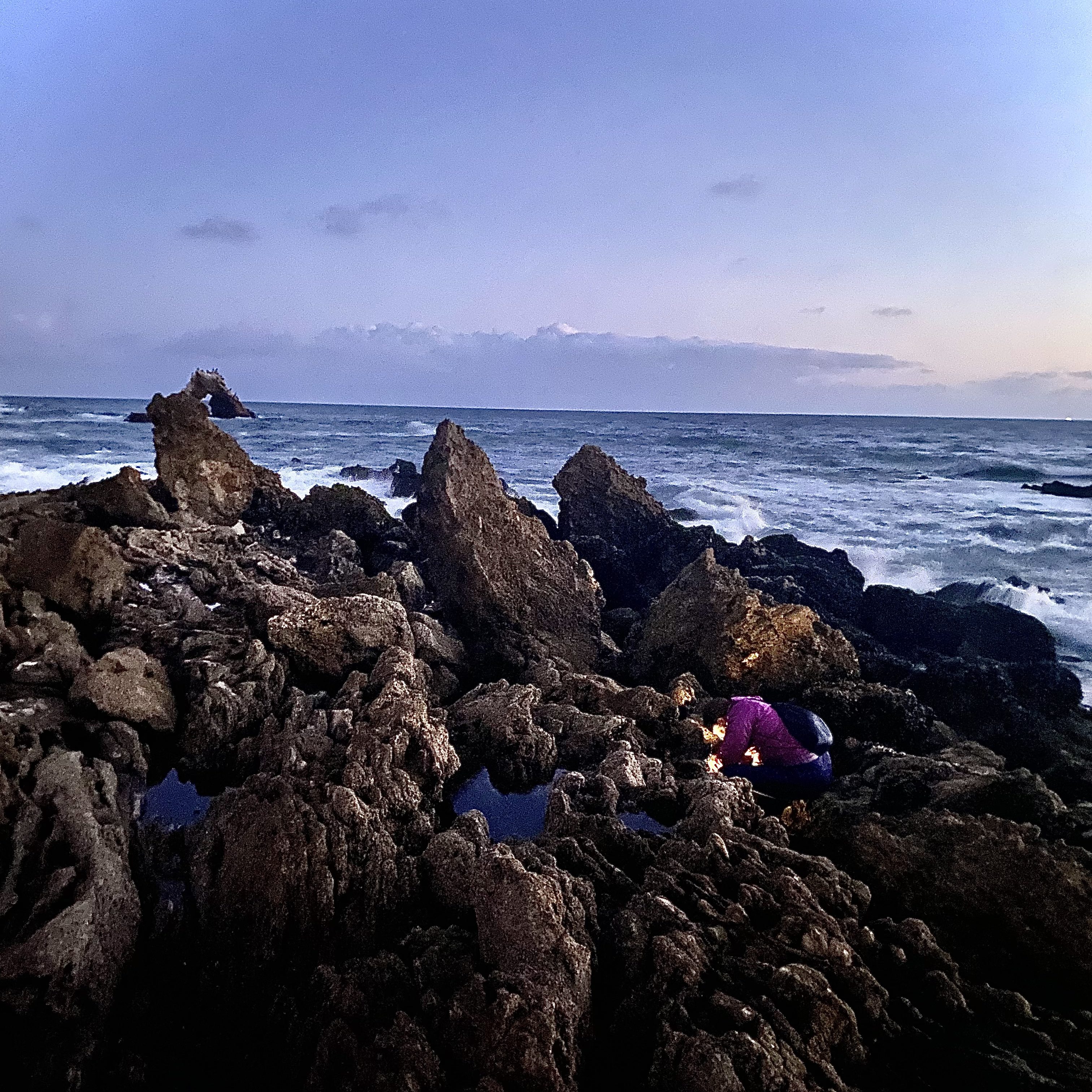
Tide pooling is all about finding the animals that live in this fascinating ecosystem, so how do you find those animals if you’re at the tide pools when it’s dark? All the regular rules for how to find animals like nudibranchs or octopi still apply at night, but here are a few tips that are unique to nighttime tide pooling that might help you out.
1. Bring the Right Equipment
Bringing the right equipment is absolutely imperative when visiting the tide pools after dark, as the outing can’t be doubled as time to lay on the beach if you forget your camera. Of course, you’ll need to bring your day time tide pooling gear such as your underwater camera, towel, small tripod (if you use one), and backpack with other essentials. But at night, you’ll need to remember to bring a few other things as well.
- Headlamp: A head lamp is essential for tide pooling in the dark. You aren’t often going to have an extra hand for a flashlight when you’re trying to take photos or navigating slippery, seaweed covered rocks. A head lamp with a red light is nice if you’re trying to preserve your night vision, but isn’t necessary if you’re going to use a flash or dive light for photos. This is the headlamp I use for tide pooling and for other activities such as camping and night hiking. It has various settings for red and white light, brightness, and width of beam.
- Warm Clothes and Shoes: The beach is cold at night, even in Southern California, so you won’t usually want to wear your tide pooling sandals at night. Water sneakers are ok, but rubber boots with thick socks will keep your feet both warm and dry. Xtratuf boots are rather popular with tide poolers, but they can be pricy, so keep in mind how often you will use them. Also make sure to bring a warm jacket and possibly gloves for warming your hands up after they’ve been holding your camera in the cold water. Few things make tide pooling less enjoyable than being cold and wet; trust me, you’ll want to go home.
- Dive Light or Black Light: This isn’t strictly necessary, but it can be really helpful when finding animals. Many nudibranchs glow slightly in strong light and a wide beam can be helpful in seeing area in one look. However, it can be hard to find an extra hand to hold a light like this, so maybe only pull it out when looking at a large pool. If you bring a blacklight, make sure not to shine it in your eyes or the eyes of your friends as the UV rays it emits can be very harmful to eyes.
- Good Organization System: A bag to carry all your accessories and warm clothes or waders with pockets for wet cameras and towels, or both! Whatever your system is, make sure you actually use it. There’s quite a bit of gear used in tide pooling anyway, and this is only amplified when you’re visiting at night. Trying to hold everything at once isn’t going to work and will only make you frustrated.
2. Full Moons > New Moons

New moons and full moons typically have the best low tides (see this article to find out why), but full moons are much better for tide pooling at night. Why is this? The first reason is because you can see more! If you’ve ever been in a dark area on the night of a full moon, you know how much light it provides. Headlamps are still needed, but you’ll be able to see the landscape you’re traversing. New moons provide exactly zero light, so they don’t benefit you much.
But perhaps more important than you being able to see more is that the animals are able to see. This makes them more active as sight predators can easily find prey, and the prey needs to be on the move to avoid predators. This panama serpent star was on the move at the local California tide pools, despite it being long after dark.
Every good fisherman knows that fish don’t bite well the day after a full moon because they’ve been awake eating all night. The same is true for the fish and other organisms that live in the tide pools. Better light at night equals more active animals.
3. Don’t Expect to see the some animals you do during the day
This is a classic pitfall: you go to the tide pools after dark and don’t see anything because you’re looking for diurnal creatures. I’ll take nudibranchs as an example. Hopkins Rose nudibranchs and Spanish Shawls are two commonly seen diurnal slugs, but at night the Opalescent nudibranch is by far the most commonly seen. Other slugs such as three lined aeolids, sea goddesses, and more also come out after dark. If you’re only searching for the animals you seen during the day, you’re going to miss the cool nocturnal ones you came to see. This is a result of the “you only see what you look for” principle where you miss species your eyes aren’t trained to notice.
The best way to mitigate this to look up what you might see at night. Ask other tide poolers you know or check out iNaturalist for new species. Knowing what things to look for makes a huge difference in actually seeing them.
Nighttime Tide Pooling Safety

Tide pooling is not an inherently safe activity at any time of day. There are sharp rocks, slippery seaweed, and incoming waves that could all potentially do you harm. But tide pooling in the dark elevates some of these risks and needs to be taken seriously. While all tide pooling has some safety rules, I feel that a complete guide to tide pooling in the dark cannot be without a section on safety to make sure your adventure is both fun and doesn’t land you in the hospital.
1. Go With Someone Else
I occasionally tide pool alone during the day in areas where there are other people, either other tide poolers or beach goers. But going tide pooling alone at night is never a good idea; don’t do this! This isn’t because I think women shouldn’t be alone places at night; the danger on our rocky shores isn’t other people. It’s being injured and being alone. Slippery rocks and seaweed can causes slips and falls which at best can cut you up or cause you to twist an ankle. At worst, you could hit your head and be knocked unconscious with no one around to see. This danger is amplified by the possibility of falling into water unconscious.
The risk simply isn’t worth it. Get some other avid tide poolers to go with you or at least some friends to sit on the beach and keep an eye on your headlamp light. Tide pooling at night is dangerous and should not be taken lightly.
2. Wear Appropriate Shoes and Clothing
The beach is cold at night, even in Southern California, and the water is often colder. If you live further north, the temperatures are night will be more extreme. Not only is it necessary to dress to stay warm and dry for comfort, being chilled can lead to other health risks like being susceptible to illness or ending up with frost bitten fingers if the air is cold enough. Moreover, being cold will increase your likelihood of falling and injuring yourself further.
3. Keep An Eye on the Tide
It’s important to always watch the incoming tide while tide pooling, but especially to do so at night. Waves can come in unexpectedly without visual warning that can knock you off your feet if you are standing too close. There are also many tide pooling areas that are only accessible at low tide due to traversing around a point. You do not want to be caught stuck trapped between the sea and a cliff any time, but especially at night.
4. Go Extra Slow Because Of The Dark
I know it’s super tempting to try and cover as much ground as you can to see the most animals, but you’ve got to slow down at night. Even if you’re familiar with the area, you might not see a seaweed covered rock before it’s too late. We’ve already discussed the dangers of falling at the tide pools; take it slow and be safe. This image of a southern kelp crab is blurry because it was taken as I was falling over and slipping into the pool; don’t be me.

5. Make Sure the Beach/Tide Pools Are Open at Night
This is kind of a no-brainer, but it can be easy to forget. Many beaches close overnight and are thus unavailable for tide pooling. This can be a real bummer for those late night tides, but may pre-dawn tides are accessible as beaches frequently open very early in the morning for surfers. Check online or look for signs with beach rules for hours and don’t go tide pooling illegally.

There you have it! The complete guide to tide pooling at night, whether in the evening after sunset or early in the morning before dawn. While there is much more that could be said, this guide should serve you well in your next tide pooling adventure after dark. Tell me how it goes in the comments or let me know if I left something out. Be safe out there and happy tide pooling!

Categories
tags
Subscribe to the blog
Sign up to receive weekly emails with tide pooling information and guides so you never miss a post!


 The Tide Is Out
Leave a reply to Tide Pooling Log: Pre-Dawn Summer Low Tide in Orange County – The Tidepooler Cancel reply