
Tidal Zones Explained: Splash, Intertidal, and Sub-tidal Zones

If you’ve ever read a tide pool book or talked to a ranger while at the tide pools, you’ve probably heard the names of tidal zones tossed around: splash zone, intertidal zone, and sub-tidal zone. These names are very helpful, man-made distinctions about the different areas of the tide pools, but they can be a bit confusing without further explanation.
So here we go: an easy explanation of what these terms mean and how they can help you explore the tide pools.
What’s a Tidal Zone?

Tidal zones tell you how often a section of rocks is exposed to the air and how often it is underwater.
Tidal zones tell you how often a section of rocks is exposed to the air and how often it is underwater.
The tides created by the moon each day cause the ocean waves to move in and out, sometimes covering sections of the shore with water and sometimes exposing them to the air. When water (and often animals) get trapped in rocky pools when the tide recedes, it creates a tide pool.
Tidal zones are a great way to tell how much an area of rocky shoreline is impacted by the tide. There are a variety of names and numbers for the tidal zones, but we will use the splash zone, the intertidal zone (with three smaller zones within it), and the sub-tidal zone.
The Splash Zone
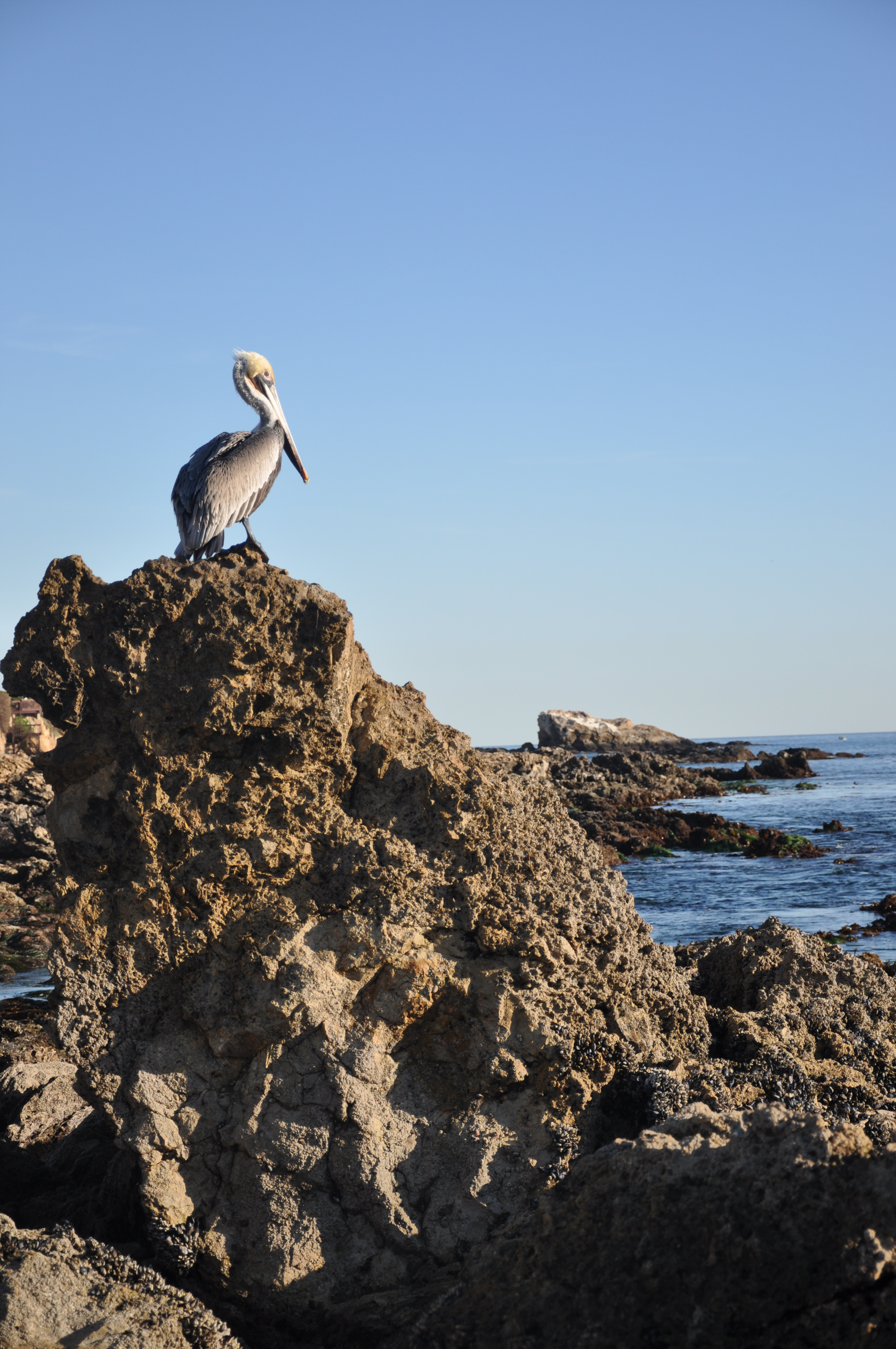
The splash zone is just what it sounds like: the rocks that only ever get splashed by the waves. These are the rocks highest up on the beach that never, or very seldom, get covered at high tide.
In the splash zone, a tidepooler will mostly find animals that do not have to be underwater for a significant portion of their lives to live, like shore crabs, sea birds, and maybe a seal or sea lion that wants to warm up in the sun. You’ll also find lots of shells in the splash zone that have been tossed up by the waves, but they are often broken after being pounded against the rocks.
The Intertidal Zone
The intertidal zone is the area where the rocks are sometimes covered in water and sometimes exposed to the air and it is the one of most interest to tide poolers. The intertidal zone is broken into three smaller sections called the high intertidal, the mid intertidal, and the low intertidal. These sections reflect what kinds of animals live in each area. For instance, while nudibranchs can survive outside the water for a short amount of time, they really don’t like to and thus are low intertidal animals that can only be seen during very low tides. Barnacles on the other hand, can survive hours, sometimes days, exposed to air while closed up inside their shell and thus are high intertidal animals.
Many of the animals that live in the intertidal zone can survive for a short period of time out of the water like clams and mussels that can close themselves up inside their shells to conserve moisture or anemones and snails that prefer the water, but can live in the air as long as they don’t dry out.
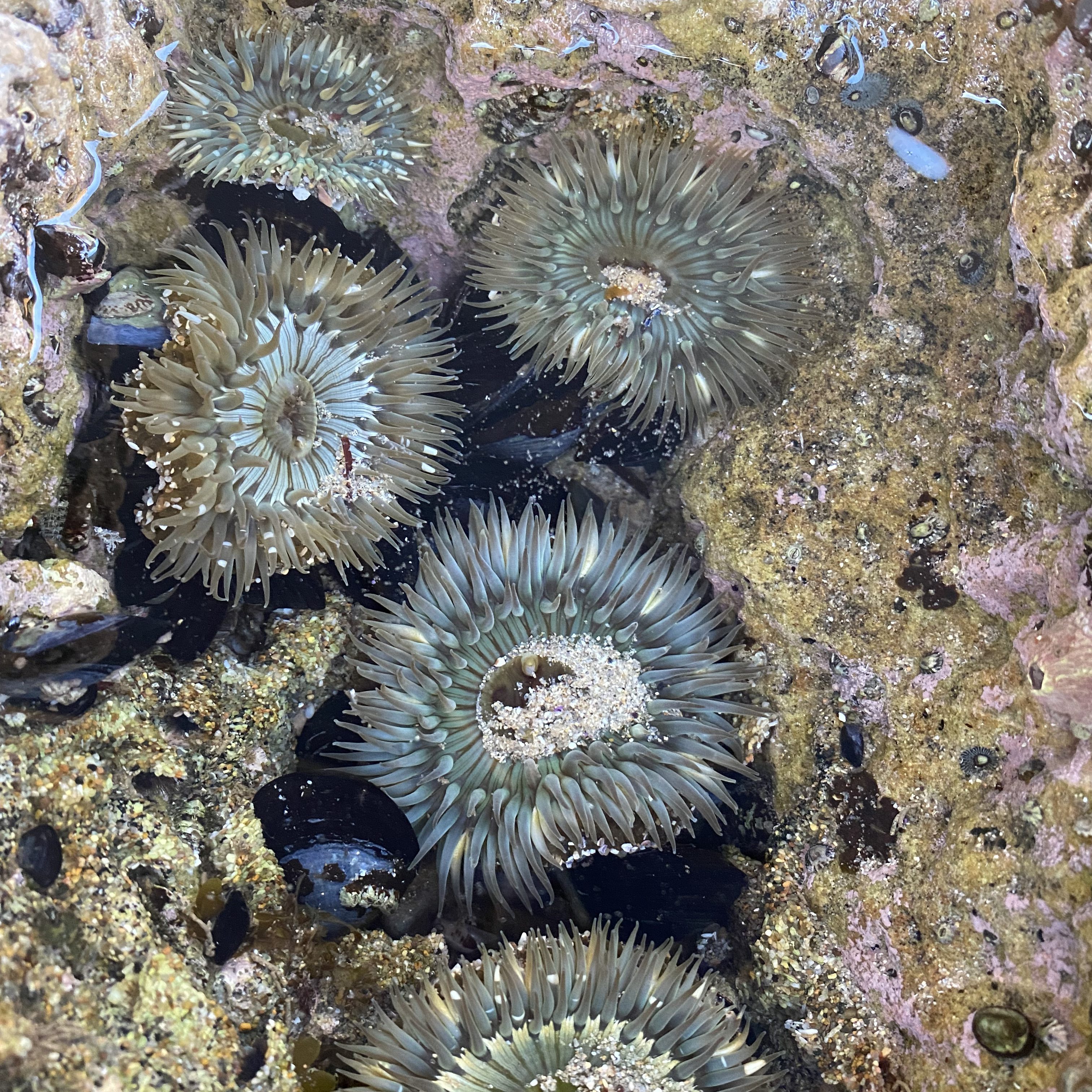
The deeper pools that remain in the intertidal zone when the rocks are dry often trap animals until the tide comes back in. These are also part of the intertidal zone.
The dry rocks coupled with the deeper pools that trap water are a tide pooler’s playground. You can observe marine life in the pools without getting wet yourself or disturbing them by stepping in the water.
The Sub-tidal Zone
The sub-tidal zone is exactly what is sounds like: a zone beneath the tides that is never exposed to air. It’s also often called the marine zone. Tidepoolers may have opportunities at very low tides to stand on rocks and peer into the marine zone, but you will have to snorkel or scuba dive to really get a better look at the animals that live here.
The tidal zones don’t have absolute lines or definitions. The animals that live in each zone are the best way to describe them, but animals move around and may not be in their “correct” zone.
However, sessile animals (that don’t move but are attached to the rocks) are a great indicator of what zone you are in. All the marine organisms in the tide pools feed when they are underwater, even barnacles, mussels, and anemones. So if you begin to see mussels, you know that those rocks are covered in water enough of the time for mussels to live. The same goes for anemones, urchins, barnacles, and others.
If you are looking to find a specific animal, finding out what zones it lives in and when the water will expose that zone can be very helpful in your search!

Categories
tags
Subscribe to the blog
Sign up to receive weekly emails with tide pooling information and guides so you never miss a post!
 The Tide Is Out
Leave a comment