
Tag: When To Go Tide Pooling
-
How Are Tides Measured and What Do The Numbers Mean?

Understanding how tides are measured and what they are measuring is crucial for the tide pooler. The tides are what allow you to explore the intertidal, so understanding how we quantify their function is incredibly useful knowledge, especially when planning your tide pooling adventure. You can read this article to learn how the tides function…
-
7 Tips for Safely Tide Pooling Alone

Tide pooling alone is a difficult topic for avid tide poolers. Inevitably, an avid tide pooler will find themself faced with a good opportunity to tide pool and no one to go with them. In this post, I’m not going to deal with whether or not you should go tide pooling alone, as this is…
-
Is Tide Pooling at Night Worth It?
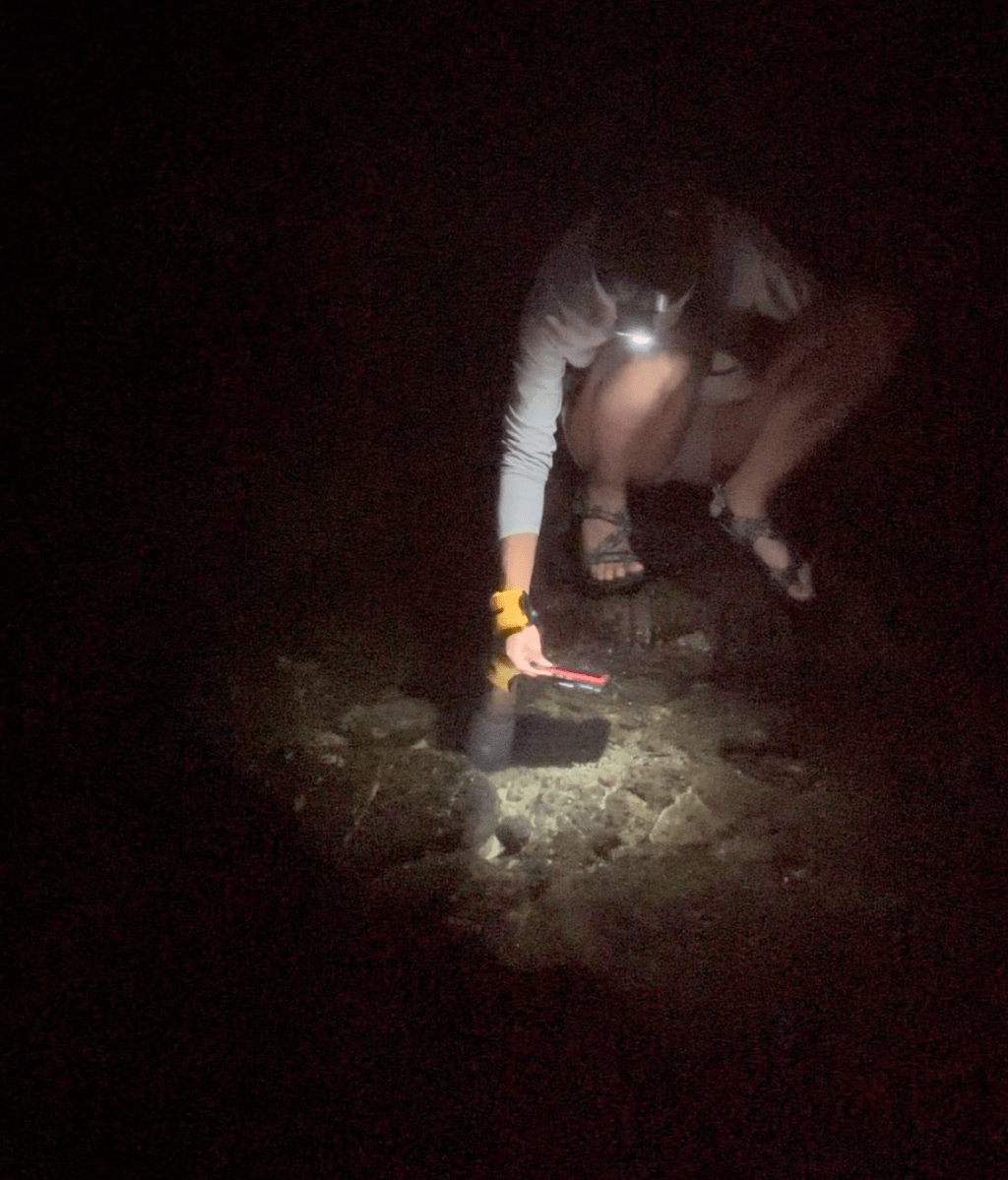
If you’re only going to read this far, the answer is yes! With the right equipment and preparation, tide pooling at night is definitely worth it. If you’re still reading, I’ll give you a fuller explanation of what I mean. Tide pooling in the dark can be frightening and dangerous. Exploring the intertidal is not…
-
How Low Should the Tide Be for Tide Pooling?

If you’re thinking about visiting the tide pools for the first, you’ve probably wondered: what is a good low tide? How low does the tide need to be for me to see cool animals? When it is worth it to visit the tide pools? These are super common questions but they don’t have a single…
-
Tide Pooling Safety 101
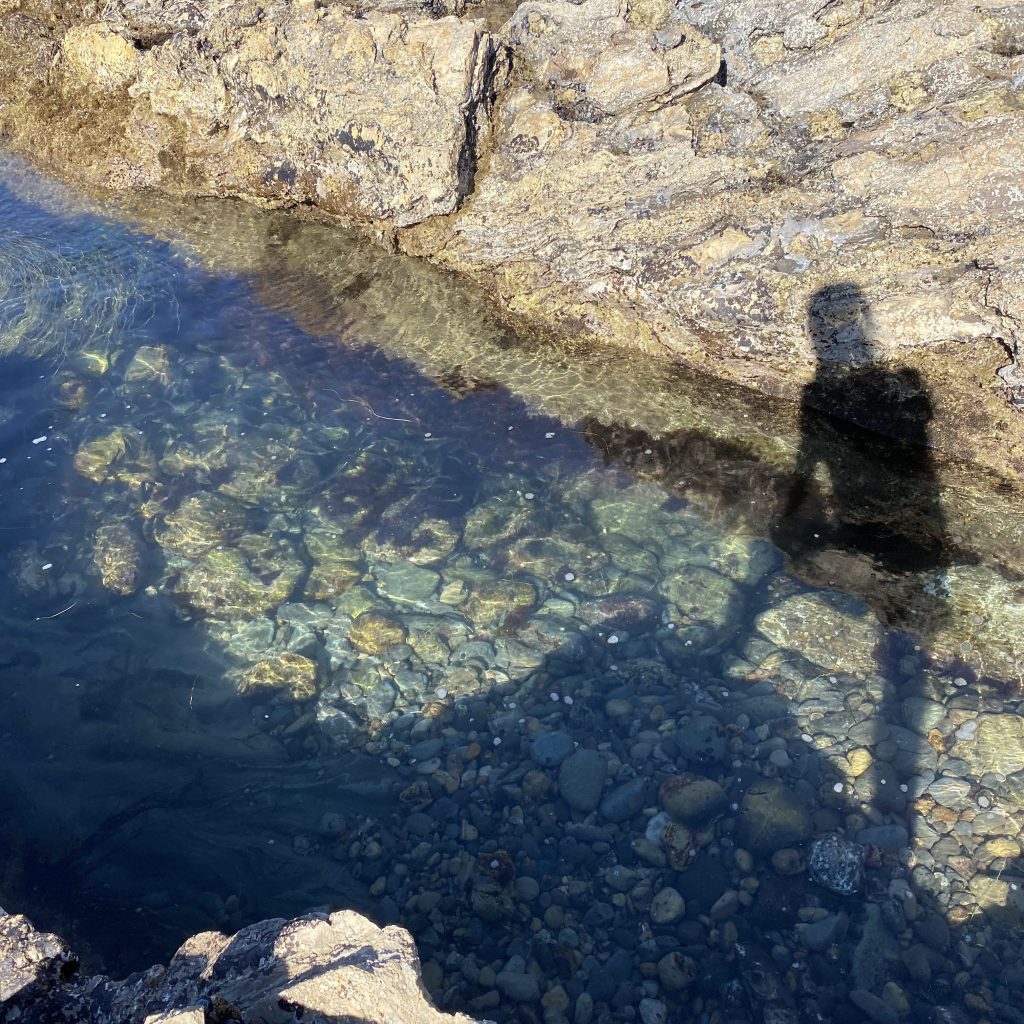
Like many outdoor hobbies, tide pooling is not inherently safe. Sharp rocks, pounding waves, extreme weather, and stinging or spiny animals all present threats to your person. These however are not typically reasons to avoid tide pooling (unless there’s a severe storm or something else out of the ordinary), as there are a few safety…
-
Tide Pooling at Night—The Complete Guide

Tide pooling at night is an essential skill for an avid tide pooler. If you’re determined to find more— and more unusual— tide pool animals then you must be comfortable visiting the tide pools in the dark, often once the sun has gone down or early in the morning before dawn. While tide pooling in…
-
The Tides, the Moon, and the Sun

The ocean is the opposite of stagnant; it is constantly in motion. Some of this motion is facilitated by deep water currents, hydrothermal vents, and surface winds. But much of the ocean’s movement comes from the tides, the rising and falling of ocean levels each day relative to the shore. The tides are a fascinating…
About the blog
The Tidepooler is a blog focused on education and information about the tide pools and rocky shore environments along the coasts of the world’s oceans. With more understanding and enthusiasm, these important ecosystems can be sustainably explored for science, curiosity, and appreciation of their beauty.
Newsletter
Subscribe to my email newsletter for posts all about the tide pools every week!
Designed with WordPress.com
 The Tide Is Out