
Tag: Nudibranchs
-
One Tide Pool

Like any other “seek and find” hobby (bird watching, fossil hunting, coin collecting, etc), tide pooling often feels like you hit the jackpot or you’re wasting your time. While it might seem like I only ever hit jackpots, remember I chose what I share on this blog. I just don’t write often about times I…
-
Two New Species of Nudibranch Described from California

Unlike my last new species post (April Fools, if you didn’t notice the date ;), these two new species are real, and they live right off the coast where many of us tide pool: Doto urak and Doto kwakwak. Neither of these species in the Doto family are very common and only have a few…
-
Tide Pooling Log: Pre-Dawn Summer Low Tide in Orange County
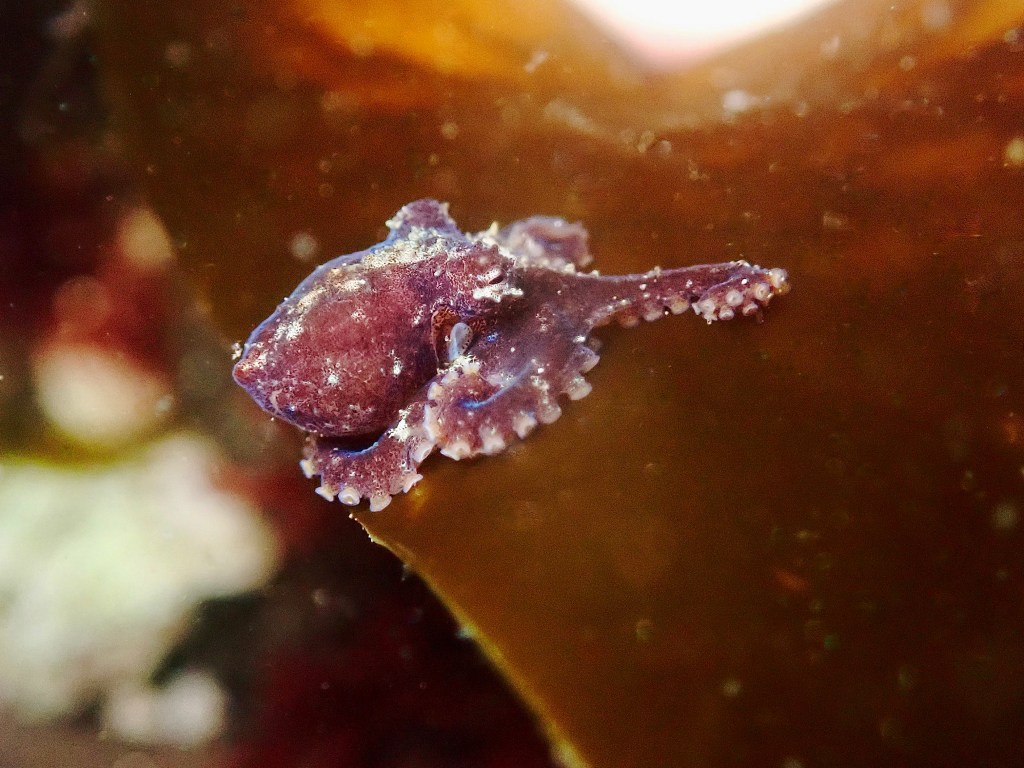
Pre-dawn summer low tides are some of the best of the year in Southern California. You can avoid the crowds and the heat while getting the warm water summer species during an excellent low tide. I took advantage of several of the low tides in June this year. Check out this article from my trip…
-
Tide Pooling Log: Napili, Maui, HI, Day 2

Day one implies day two, right? If you haven’t read the first tide pooling log about our finds in the intertidal in Hawaii this fall, check out this article before reading on. The finds the night before had been so great that we just had to go back out on the rocks again. It was…
-
The Hopkins Rose Nudibranch–That Bright Pink Sea Slug

If there’s one nudibranch that a beginner tide pooler in SoCal might notice, it’s the Hopkins rose nudibranch (Ceratodoris rosacea). A shot of bright pink among the many shades of green, blue, and brown, this moderately sized nudibranch is more likely to catch your attention than any other species. Hopkins rose are one of my…
-
Is Dock Fouling Worth It?
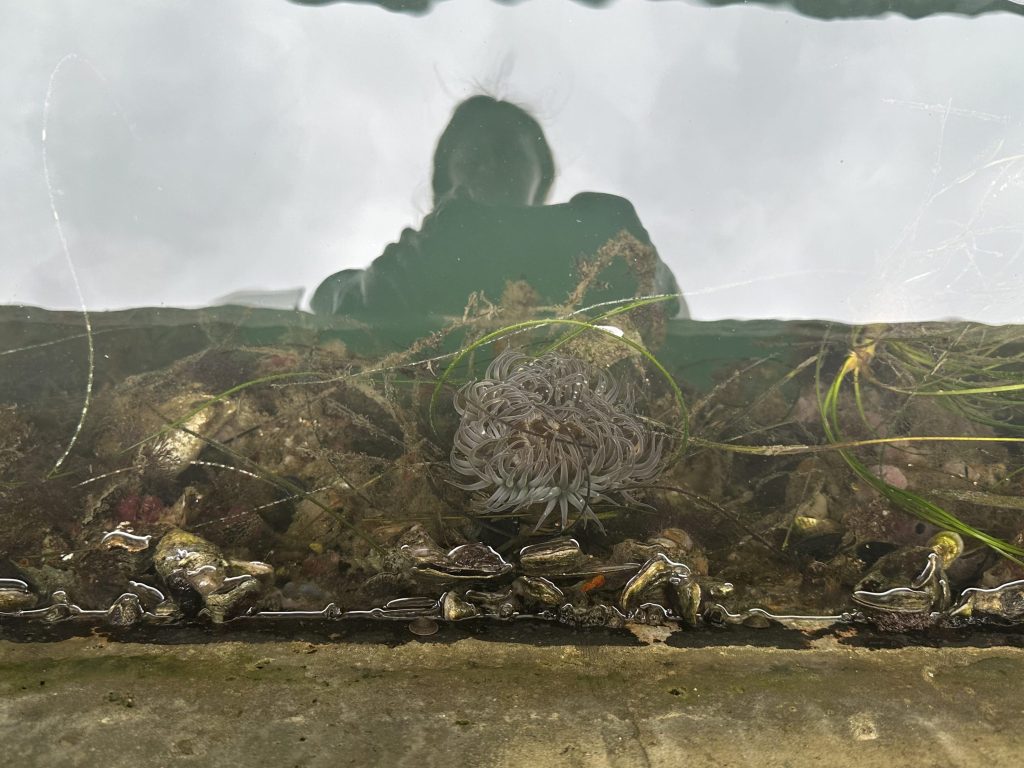
Dock fouling is a cousin hobby to tide pooling and many tidepoolers can also be found searching beneath floating docks when the tide is high. If you are new and haven’t heard about dock fouling before, check out this article. A common question for amateur tidepoolers is whether dock fouling is worth their time. The…
-
How to Edit Intertidal Photos: Blackwater Photography

Taking photos at the tide pools is one of avid tide poolers’ favorite ways to document what they see. In this post, I’m going to walk you through how to turn your favorite tide pool photographs into blackwater photography. If you’re new here, check out my series about how to improve your tide pool photography…
-
What do Nudibranchs Eat?

With their brilliant colors and intricate body shapes, some might assume that nudibranchs are all show and have little functionality. These same people are often surprised to find out that nudibranchs are voracious predators What nudibranchs eat has been studied extensively, and yet there is still much to learn. Sea slugs generally eat a variety…
-
Learn How to Find Nudibranchs: Spotting Challenge
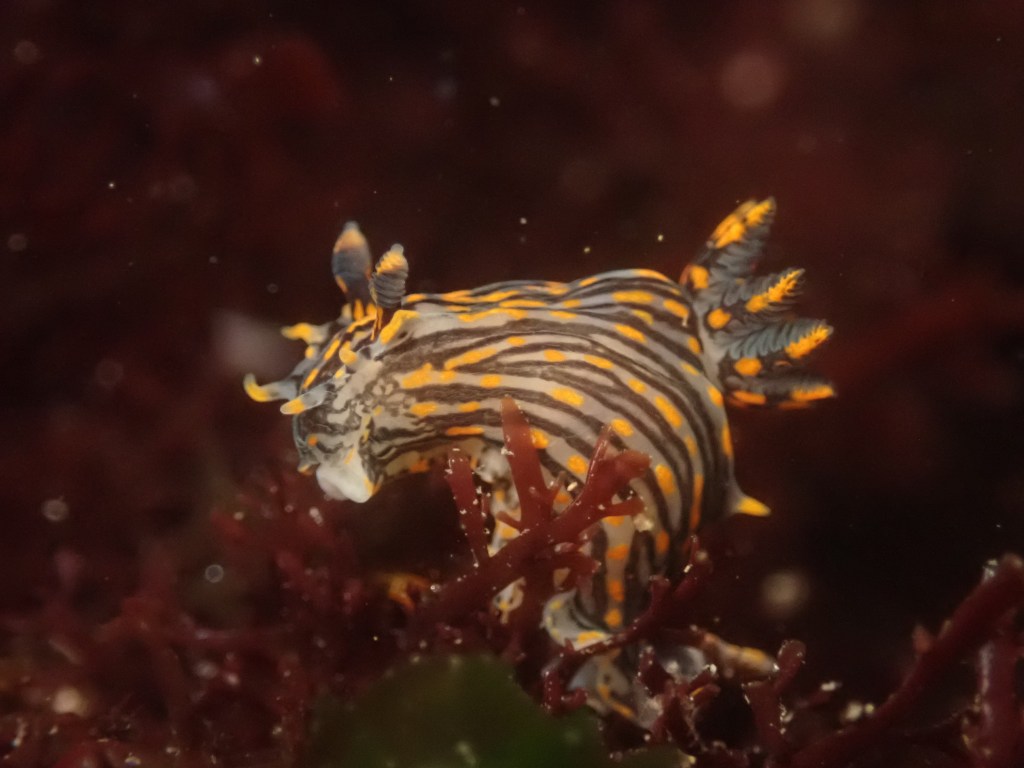
Nudibranchs are some of the funnest animals to find at the tide pools. Not only do their bright colors and flamboyant patters make them excellent photo subjects, but their unique ecology and behavior also make them fun to watch. But let’s admit it: nudibranchs are hard to find. I’ve heard many tide poolers asking how…
-
Opalescent Nudibranch: California’s Most Common Sea Slug
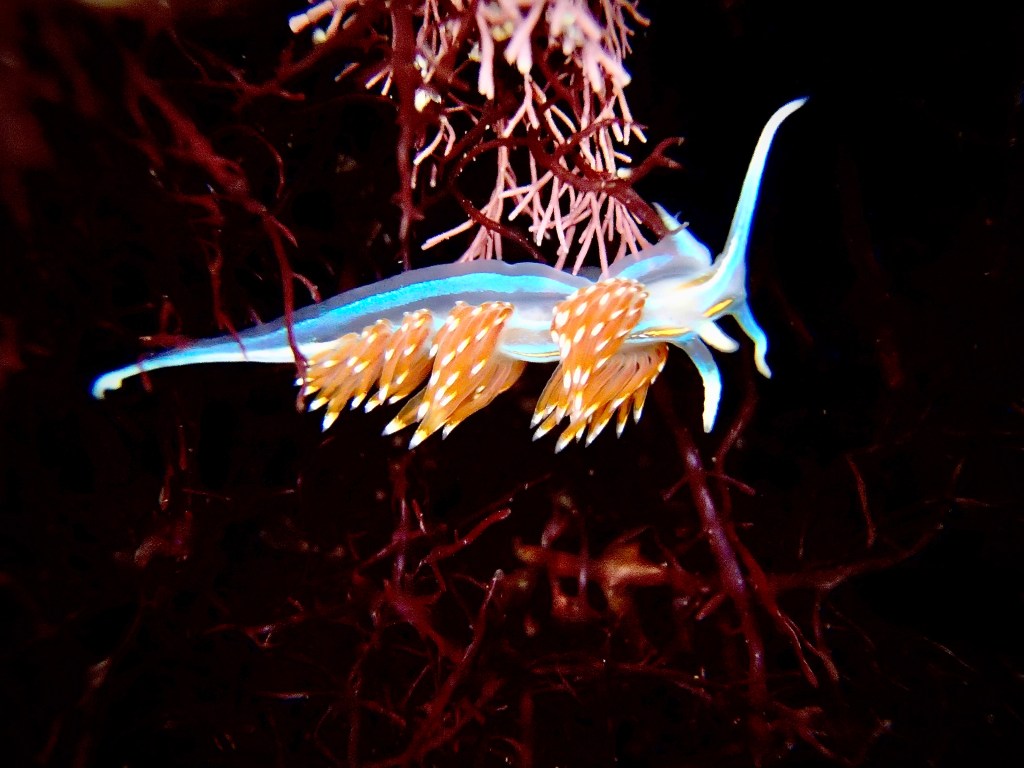
With a name like opalescent meaning having the colors and fire of an opal, the opalescent nudibranch has some big expectations of beauty to live up to, but it doesn’t disappoint. Despite being incredibly common, this sea slug is brilliantly colored with orange and yellow tipped cerrata and vivid, iridescent aqua blue racing stripes down…
About the blog
The Tidepooler is a blog focused on education and information about the tide pools and rocky shore environments along the coasts of the world’s oceans. With more understanding and enthusiasm, these important ecosystems can be sustainably explored for science, curiosity, and appreciation of their beauty.
Newsletter
Subscribe to my email newsletter for posts all about the tide pools every week!
Designed with WordPress.com
 The Tide Is Out