
Tag: How to Find Nudibranchs
-
Learn How to Find Nudibranchs: Spotting Challenge
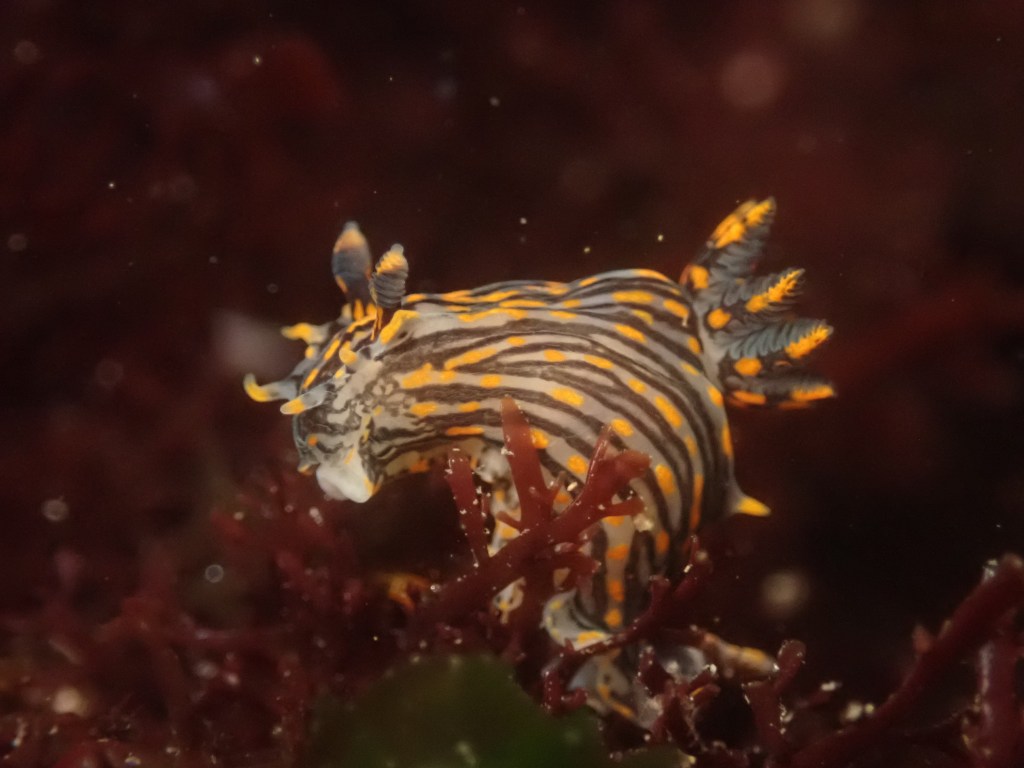
Nudibranchs are some of the funnest animals to find at the tide pools. Not only do their bright colors and flamboyant patters make them excellent photo subjects, but their unique ecology and behavior also make them fun to watch. But let’s admit it: nudibranchs are hard to find. I’ve heard many tide poolers asking how…
-
Opalescent Nudibranch: California’s Most Common Sea Slug
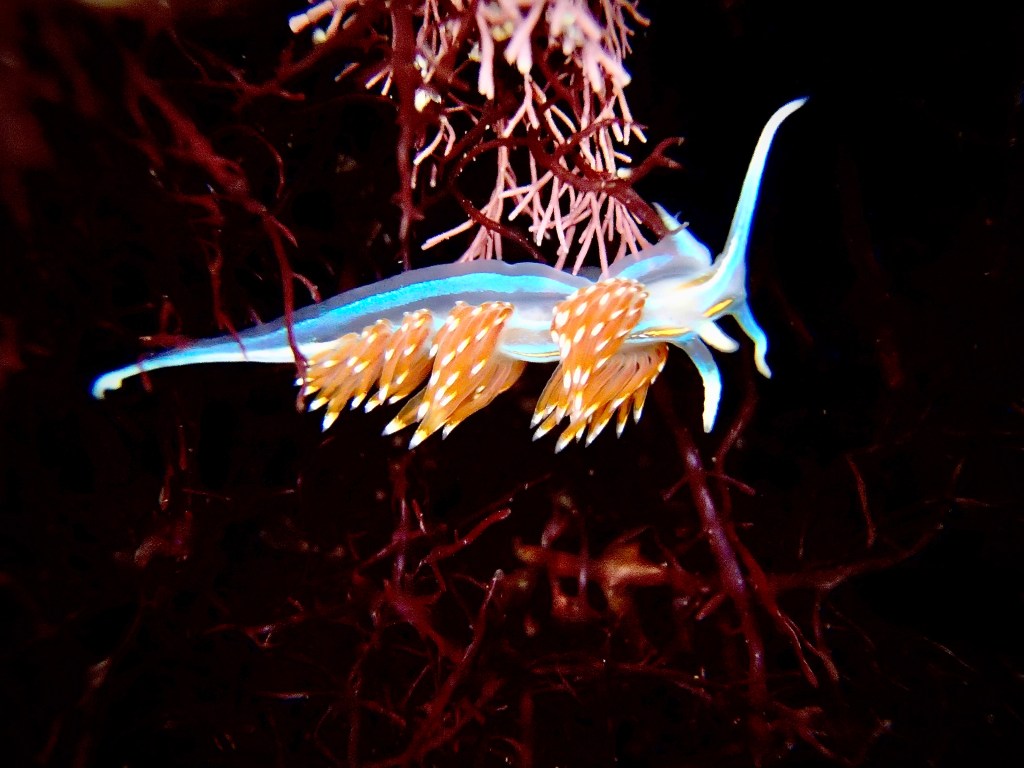
With a name like opalescent meaning having the colors and fire of an opal, the opalescent nudibranch has some big expectations of beauty to live up to, but it doesn’t disappoint. Despite being incredibly common, this sea slug is brilliantly colored with orange and yellow tipped cerrata and vivid, iridescent aqua blue racing stripes down…
-
7 Tide Pool Animals Larger than 6 Inches
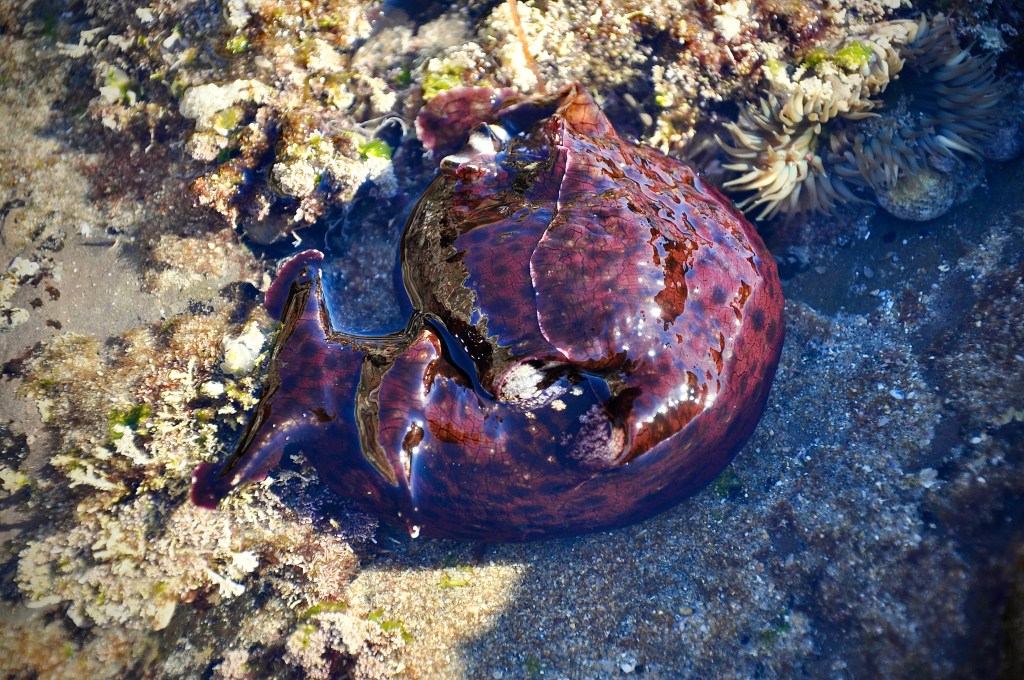
If you’ve spent much time on this blog before, you’re probably aware that lots of the animals in the tide pools are very, very small. Often requiring the use of a macro camera for identification, these tiny organisms excite avid tide poolers and marine scientists, but don’t usually do much to hold the attention of…
-
Pacific and Steinberg’s Corambes: California’s Most Cryptic Nudibranchs

Many nudibranchs are famous for their flashy colors and flamboyant patterns, making them some of the most beautiful creatures on the reef or in the tide pools. These sea slugs, it seems, have no issue being seen by divers, tide poolers, or prospective predators who see their bright colors as a warning of foul taste…
-
How Big Are Nudibranchs?
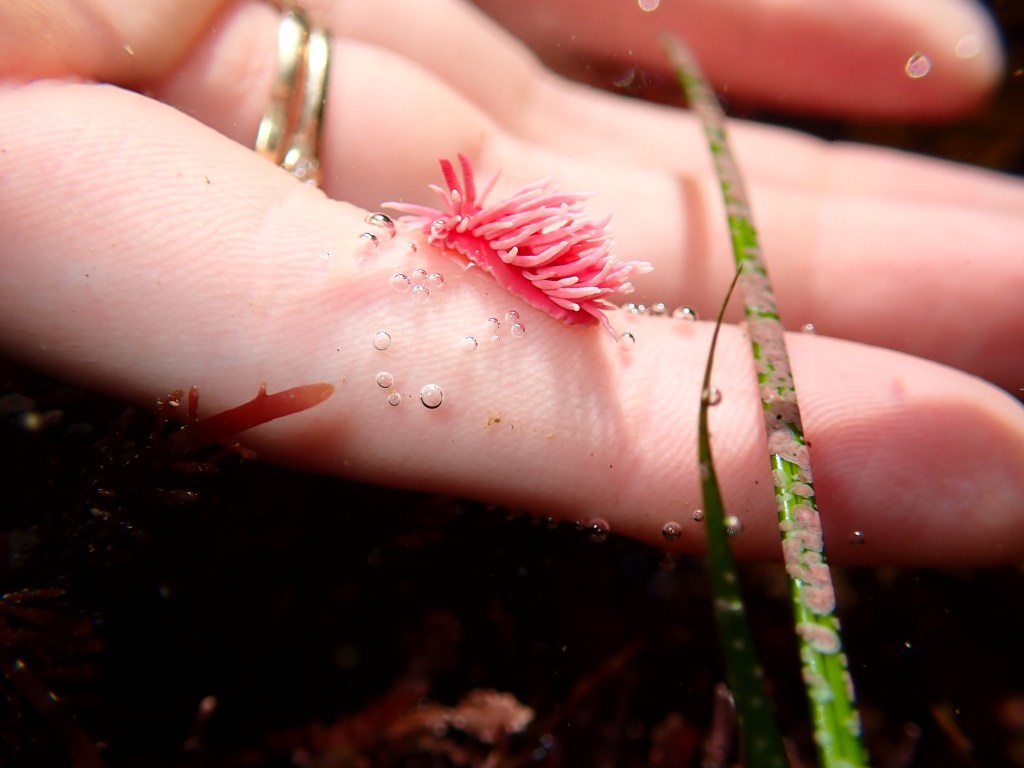
Usually, not very big. Asking how big nudibranchs are is like asking how big cats are. Obviously, some are bigger than others. Nudibranchs have a whole taxonomical order all to themselves. This is the same taxonomical level as carnivores (mammals that eat meat), so technically, nudibranchs have even more diversity (and thus probably more sizes)…
-
Tide Pooling at Night—The Complete Guide

Tide pooling at night is an essential skill for an avid tide pooler. If you’re determined to find more— and more unusual— tide pool animals then you must be comfortable visiting the tide pools in the dark, often once the sun has gone down or early in the morning before dawn. While tide pooling in…
-
5 Tips For Finding Nudibranchs At The Tide Pools
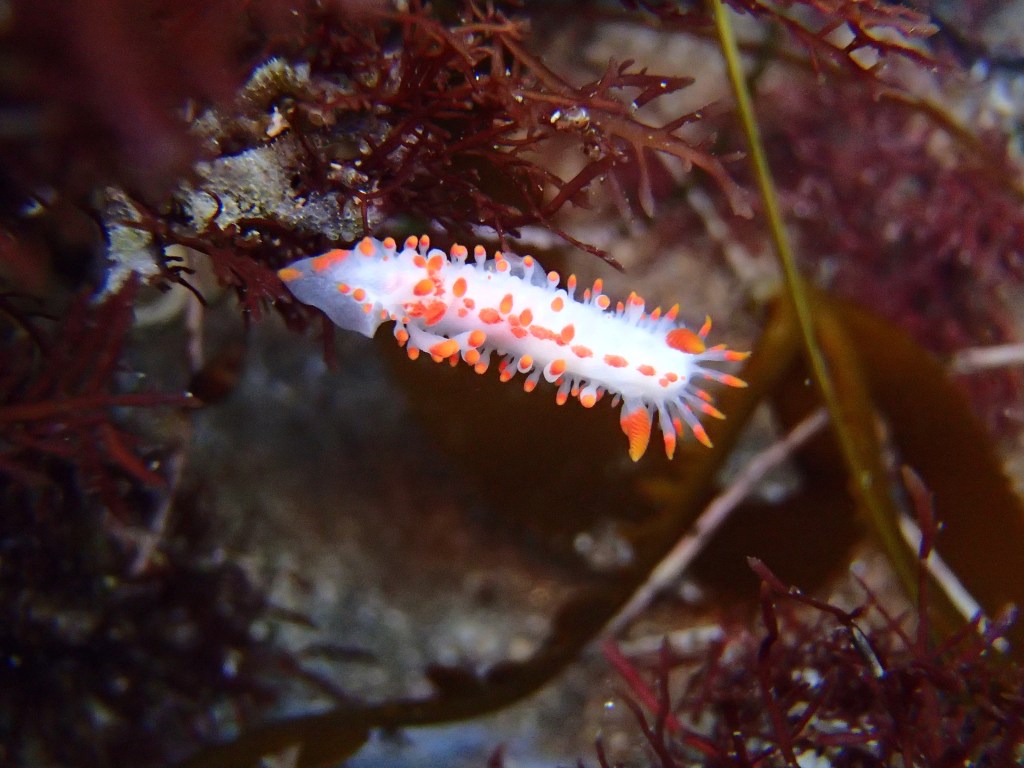
For many avid tide poolers, nudibranchs are one of the coolest animals to find at the tide pools. These sea slugs are often brightly colored, possess cool abilities, and move slowly enough that you can get good pictures! Unfortunately, finding these creatures can be difficult. Nudibranchs in the tide pools are typically very small, ranging…
-
5 Reasons Most People Don’t Know About Nudibranchs

If you are reading this article, I assume that you do, in fact, know about the colorful sea slugs called nudibranchs. (If you don’t, I’m glad you’re here to read about them). But let’s be honest, most people don’t know what a nudibranch is. Even the term sea slug only brings to mind a brown,…
About the blog
The Tidepooler is a blog focused on education and information about the tide pools and rocky shore environments along the coasts of the world’s oceans. With more understanding and enthusiasm, these important ecosystems can be sustainably explored for science, curiosity, and appreciation of their beauty.
Newsletter
Subscribe to my email newsletter for posts all about the tide pools every week!
Designed with WordPress.com
 The Tide Is Out