
Tag: Common Animals
-
Tips for Birding on the Coast
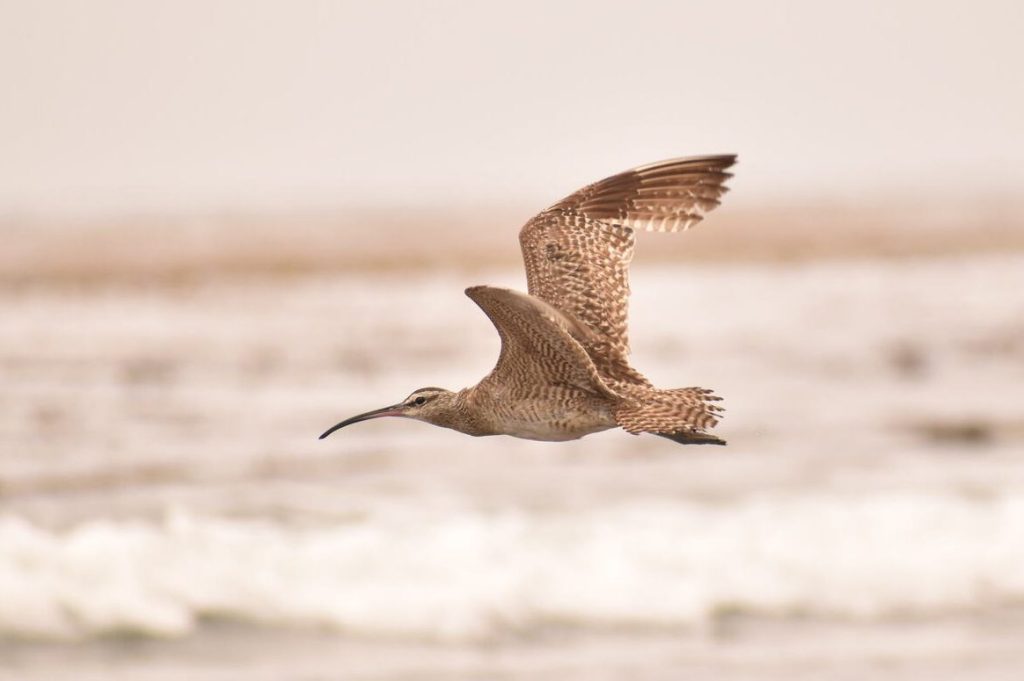
Most tidepoolers are focused on finding invertebrates, but they are far from the only animals that call the intertidal home. Birds and fish are often overlooked in the search for sea slugs and crustaceans, but they are absolutely worth paying attention to, as they are a vital part of the intertidal ecosystem. On the other…
-
Are Tide Pools Dangerous?

It’s natural to wonder about safety before visiting the tide pools. The ocean is a dangerous place, and the shore can be unfriendly to those who aren’t prepared. However, you’ll be glad to know that most people can safely explore the intertidal zone in most places along the coast. But that doesn’t mean there is…
-
Camoflauge with Bright Colors: The Red-banded transparent Shrimp

California tide pooling comes with the big and famous animals that all beachgoers want to see: anemones, sea stars, urchins, and crabs. But many other very common animals don’t get noticed, despite being all around. The red-banded transparent shrimp (Heptacarpus sitchensis) is one of them. Look closely and you’ll begin to notice these tiny, often…
-
Tide Pooling Log: Birthday Nature Walk along the Beach
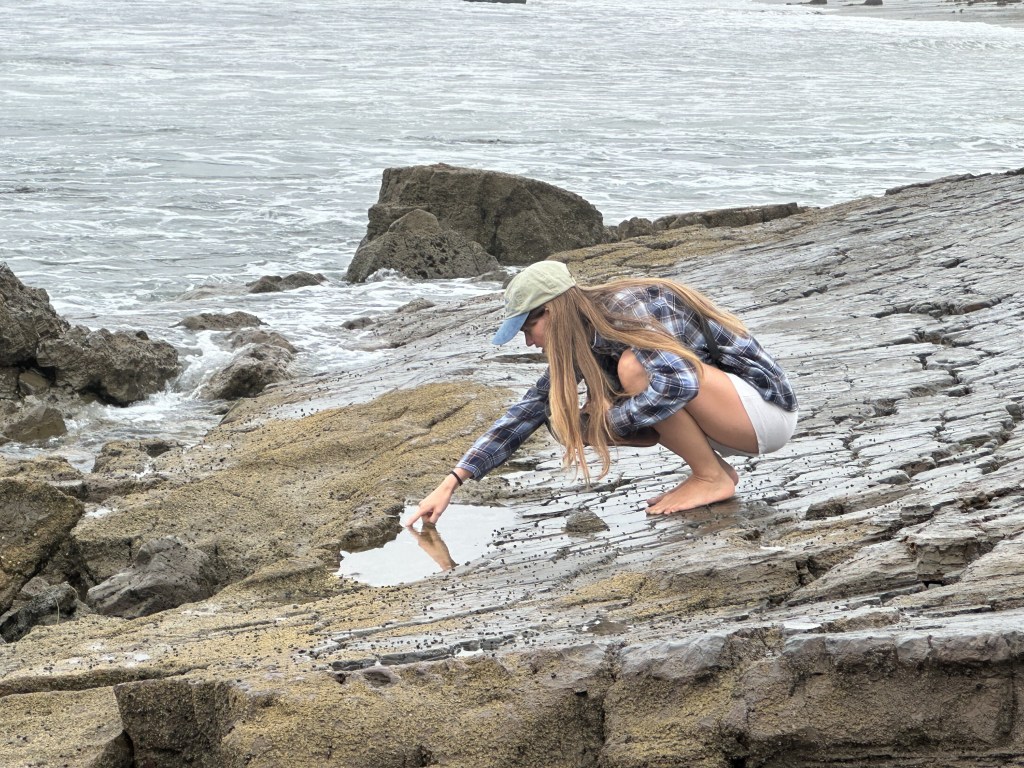
On the morning of my birthday late this summer, I wanted to go to the beach– of course! The tide was somewhere between 1 and 2 feet, so I didn’t expect to do much tide pooling, if any of the rocks would evening be exposed at this location in SoCal. Despite this, I thought we…
-
5 Dangerous Animals to Look Out For In The Tide Pools

“How can I stay safe on the coast?” is a common tide pooling question. While you are far more likely to be injured by a wave or a rock in the tide pools, some animals can potentially harm you. We’ll discuss only a few of them here. Depending on where you are in the world,…
-
Birds of California’s Rocky Intertidal

For many tidepoolers, the most exciting wildlife is at our feet, the tiny invertebrates that make the intertidal their permanent home. But out of the water, there is other wildlife just as interesting to watch and often much larger: birds. Many varieties of birds visit the intertidal to hunt, forage, rest, or escape predators themselves. …
-
Can I Swim in the Tide Pools?

Ready for the short answer? It depends. Ok, now keep reading. Swimming in tide pools is a popular pastime, especially among avid swimmers or those who live near the coast. Although quite different from tide pooling to search for invertebrates, this topic warrants a brief article here. By definition, a tidal pool refers to a…
-
5 Kinds of Intertidal Animals That Look Like Rocks
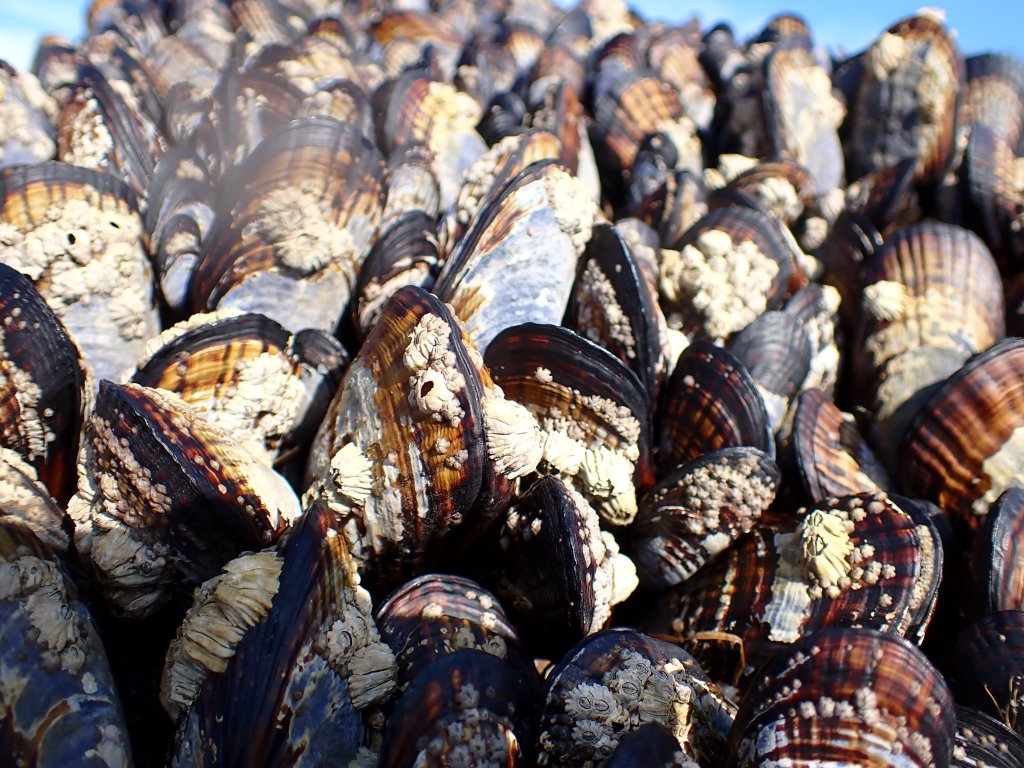
Sometimes it seems like there are a lot of things at the tide pools to avoid stepping on. Slippery, rocks, slippery seaweed, and slippery mud can all be difficult to avoid. But I’m here to add a few more things to the “don’t step on that” list. Five kinds of intertidal that look— and sometimes…
-
5 Kinds of Intertidal Animals that Look Like Plants

The intertidal is bursting with animal life, the shape, size, and color of which are often foreign to us land-dwellers. Many animals disguise themselves as plants while other things that look like plants are really animals. It can take time to learn to recognize all the kinds of animals you’ll encounter in the intertidal, but…
-
Tide Pooling Log: Cinque Terre, West Coast of Italy

The Mediterranean is known as non-tidal as the tides of the Atlantic just barely squeeze a little water through the straight of Gibraltar before moving on. But on our trip to Italy this month, I was determined to see some intertidal animals. After doing some research and asking helpful friends on iNaturalist, I found a…
About the blog
The Tidepooler is a blog focused on education and information about the tide pools and rocky shore environments along the coasts of the world’s oceans. With more understanding and enthusiasm, these important ecosystems can be sustainably explored for science, curiosity, and appreciation of their beauty.
Newsletter
Subscribe to my email newsletter for posts all about the tide pools every week!
Designed with WordPress.com
 The Tide Is Out