
Tips for Birding on the Coast
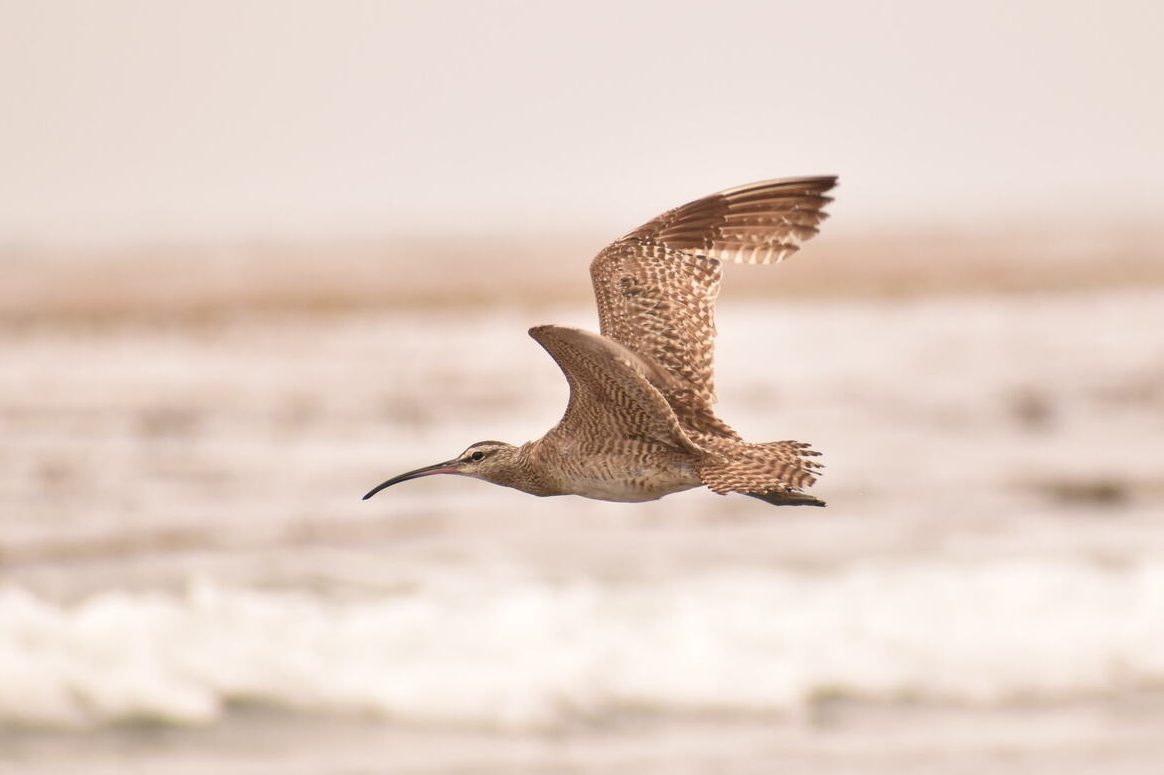
Most tidepoolers are focused on finding invertebrates, but they are far from the only animals that call the intertidal home. Birds and fish are often overlooked in the search for sea slugs and crustaceans, but they are absolutely worth paying attention to, as they are a vital part of the intertidal ecosystem.
On the other hand, birding or bird watching, much more popular than tide pooling, often brings birders to the coast and into the intertidal searching for target species. As both a birder and a tidepooler, I find the intersection between the two hobbies fascinating, as each brings skills that can be useful to the other.
In this post, we’ll talk about tips for birding in the intertidal zone. Whether you’re a birder trying to spot that elusive shorebird or a tidepooler realizing you should spend some time looking up, this post will hopefully bring you helpful information in your search for animals.
Choose Your Location Wisely
The first rule of birding is the too look in the right places for certain species. Like many other animals, most birds have very specific habitat preferences. Picking which intertidal shore you’re going to visit depends on what birds you’d like to see. We’ll go through several typical options here.
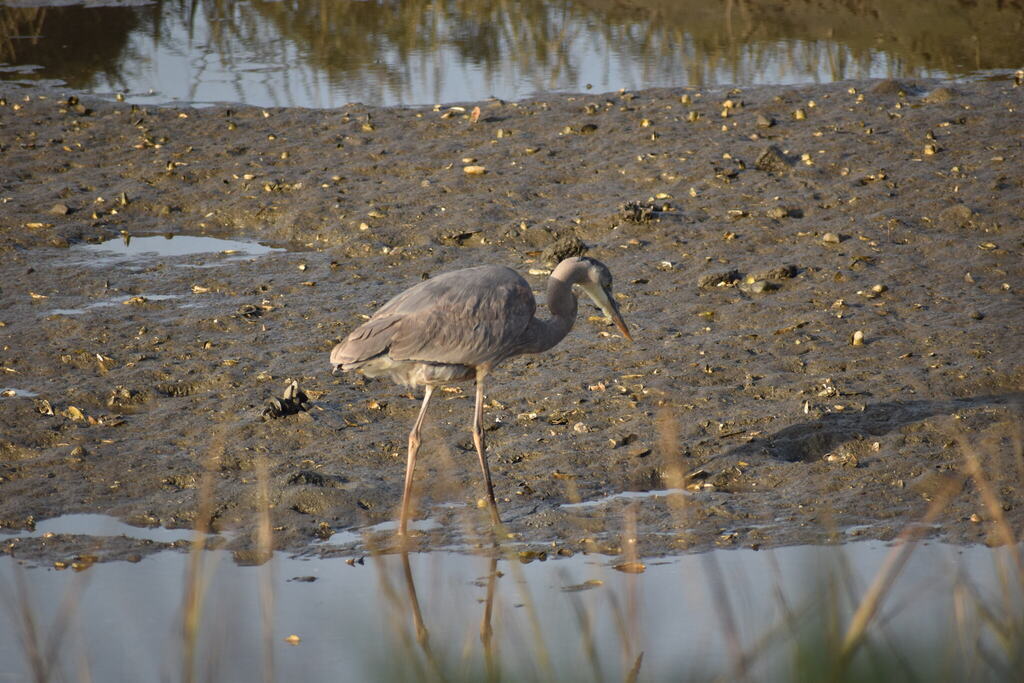
Mudflats are a very common birding destination, even more popular than tide pooling. The ease of using a kayak or standing on a cliff makes watching birds easier than finding invertebrates. Coastal wetlands are often used as stopover sites for migrating birds, and this is likely where you will find the most diversity. Think plucky sandpipers, huge flocks of waterfowl, and nesting turns and skimmers. Unfortunately, many wetlands have been developed and no longer host huge numbers of birds, but several estuaries along the Pacific and Atlantic coasts still harbor vast numbers.
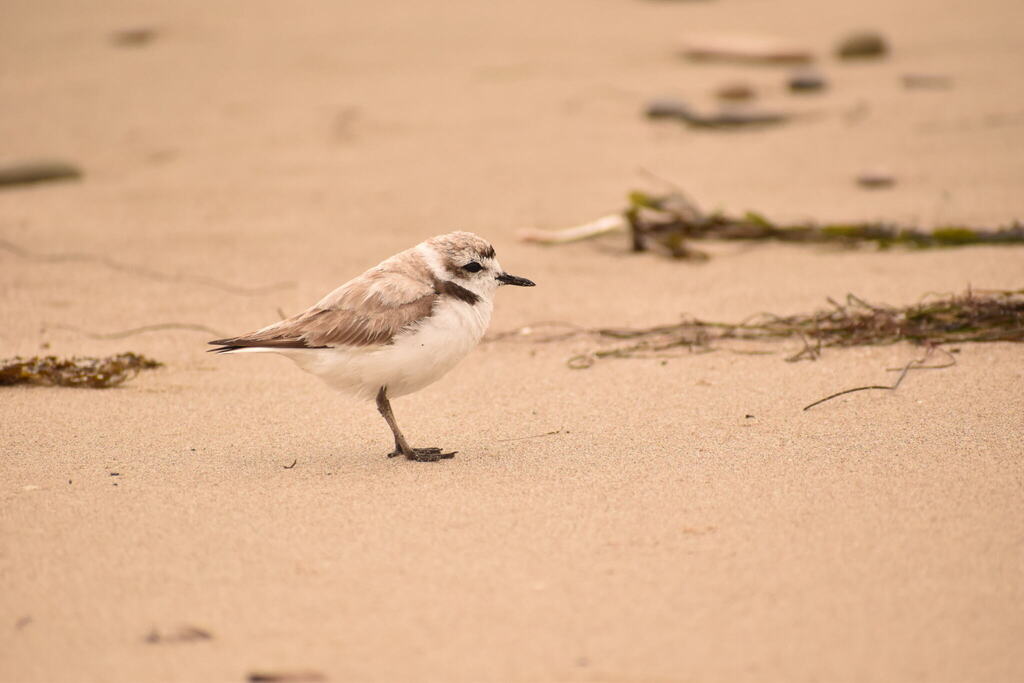
Outer coast sandy beaches are another tide pooling/birding location, where you’ll find a variety of birds, including some seabirds you won’t usually see inland. Choose sandy beaches with less human traffic to see more variety; bluffs and dunes provide a buffer for birds from coastal communities and usually increase diversity. Sandy beaches allow the birder/tidepooler to watch birds taking refuge on the sand and those hunting in nearshore waters. Snowy ploves and sanderlings run in the surf, cormorants dive for fish, and pelicans drift over the waves in small groups.
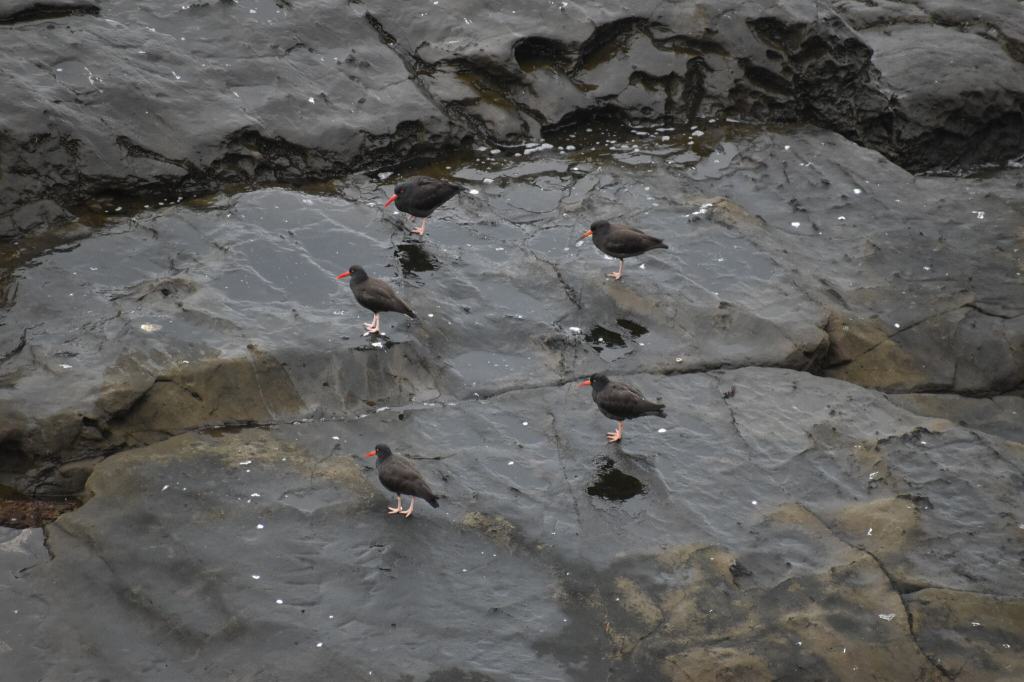
In the most common tide pooling destinations, rocky shores, birds also abound. Depending on your location, rocky shores provide foraging habitat for birds you’ll rarely see elsewhere, like black oystercatchers, and a chance to see habitat generalists up close, like whimbrels and turnstoves. Cliffs and bluffs adjacent to rocky shores also provide nesting habitat for many seabirds you won’t otherwise see near the shore. With prime foraging opportunities and some protection from predators, the rocks are a great place for birding in the intertidal, and especially for photography.
Bring a Spotting Scope or Binoculars
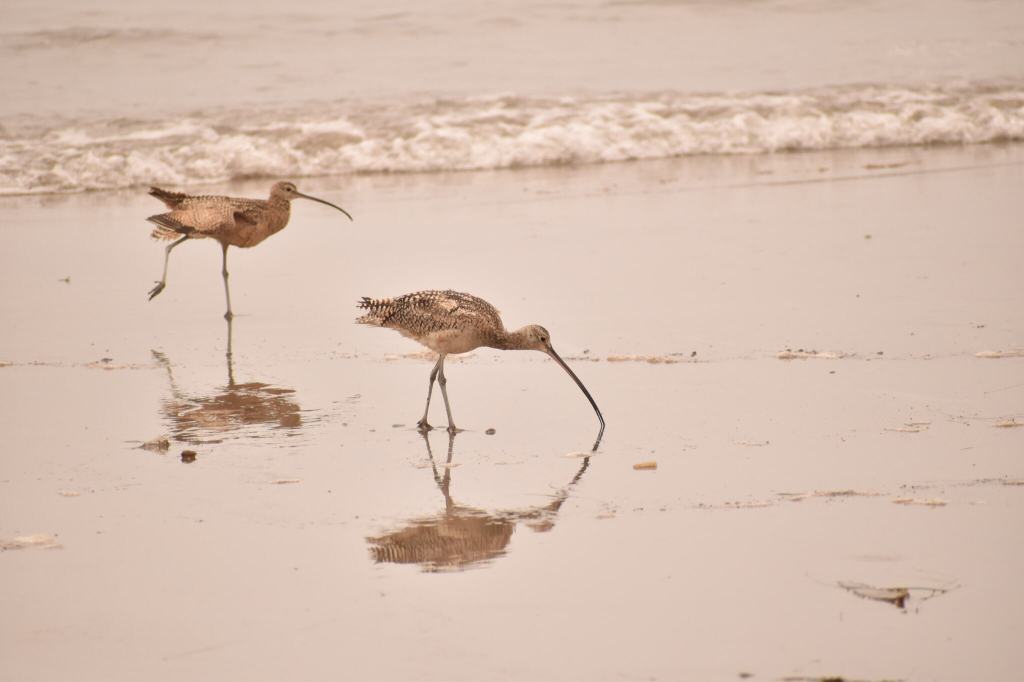
Whether you’re birding in the intertidal or from a far vantage point up the beach or on a bluff, you’ll want to bring binoculars or a spotting scope to get better views of the birds without disturbing them. While there are opportunities to get close to birds in the intertidal, you’ll want to be prepared for them be a ways off. Rocks that are accessible at low tide but become islands at high tide have great prospects for resting birds, but the high tide will keep you farther from your subjects.
Pick the Right Tide
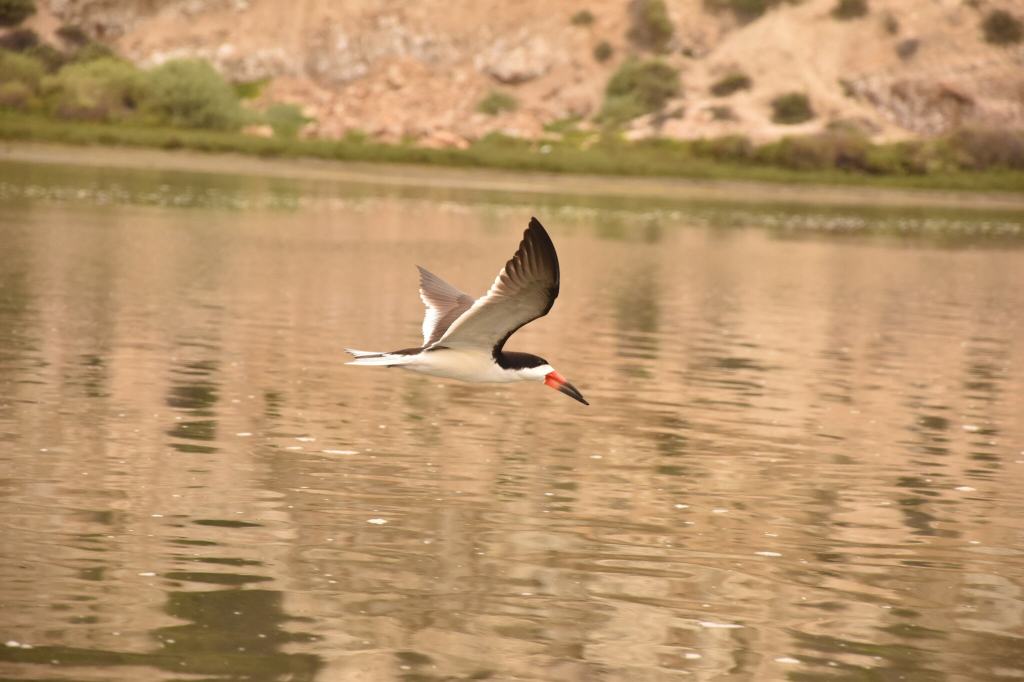
Speaking of tides, choose which tide to visit the shore for birding wisely, based on what you want to see and your location. Unlike tide pooling, high tide presents some unique opportunities. On muddy shore in estuaries, shy birds like rails will be flushed from flooded reeds into the open. You’re also more likely to see seabirds and ducks on the water at high tide on open coasts, along with the roosting birds we mentioned before. Low tide brings chances to see wading birds feeding on the exposed invertebrates that tide poolers are also after. As long as the mid intertidal zone is exposed with crabs and mollusks trapped in pools or buried in the mud, you’ll find shore birds coming to feed.
Be Patient and Still
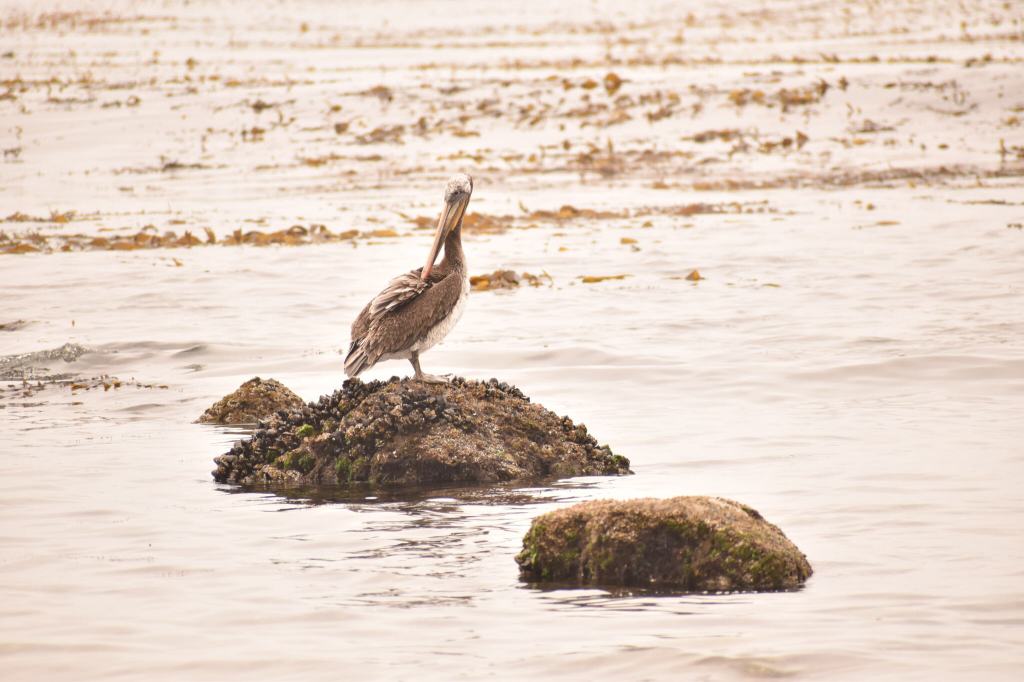
All birders know the benefits of being patient and still while watching birds. These animals are always on alert from predators, and loud noises, quick movements, and generally large mammals (like us) mean they are being attacked. If you’re not tide pooling, sit and wait to see what birds fly in or are just around the point out of sight.
Don’t Appear to be a Threat
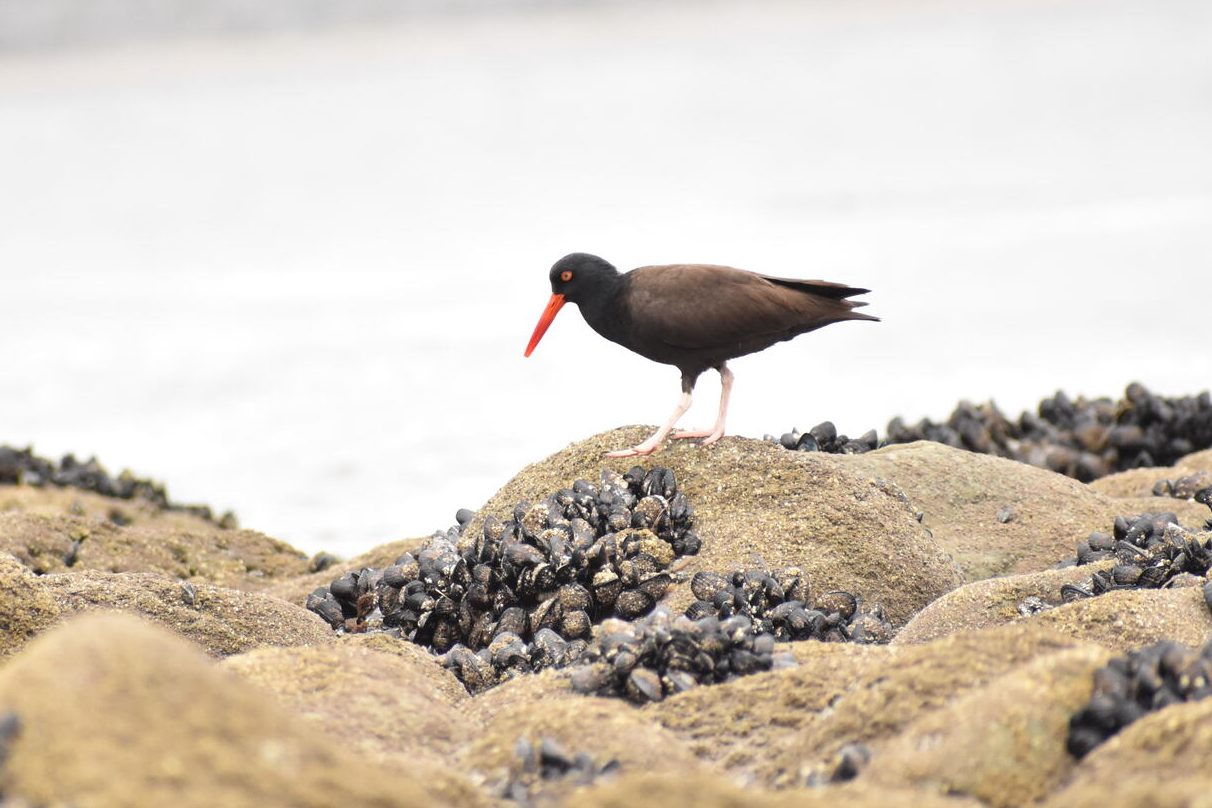
Rocky shores are where adventurous birders willing to traverse the rocks will get closest to shore birds. I’ve found that some species let you get quite close or will even approach you if you have the right demeanor. Instead of “stalking” the birds as a predator would, sit and observe them, or better yet, go tide pooling and observe how shore birds will seem to ignore you and feed wherever they’d like. There are few things quite like watching animals in their natural habitat displaying natural behavior. Perhaps this is too anthropomorphizing, but it seems to me that the birds don’t see you as a threat if you are doing the same thing they are: poking around in the tide pools for invertebrates. I’ve had herons, egrets, whimbrels, and oystercaters all approach me, only to startle me when I look up from tide pooling. Once, a flock of a dozen black turnstones came from behind me while I was crouched over a tide pool and passed by just feet from me on their foraging route.

Categories
tags
Subscribe to the blog
Sign up to receive weekly emails with tide pooling information and guides so you never miss a post!
 The Tide Is Out
Leave a comment