
Can you Go Tide Pooling In Hawaii?

The short answer is yes! Absolutely you can go tide pooling in Hawaii and other tropical islands.
The long answer is that it might look a little different if you are used to tide pooling in temperate regions like Europe or the West Coast of the U.S. Let’s break down some of these differences so you’ll know what to expect — and how to find the best marine life — in Hawaii.
Tides
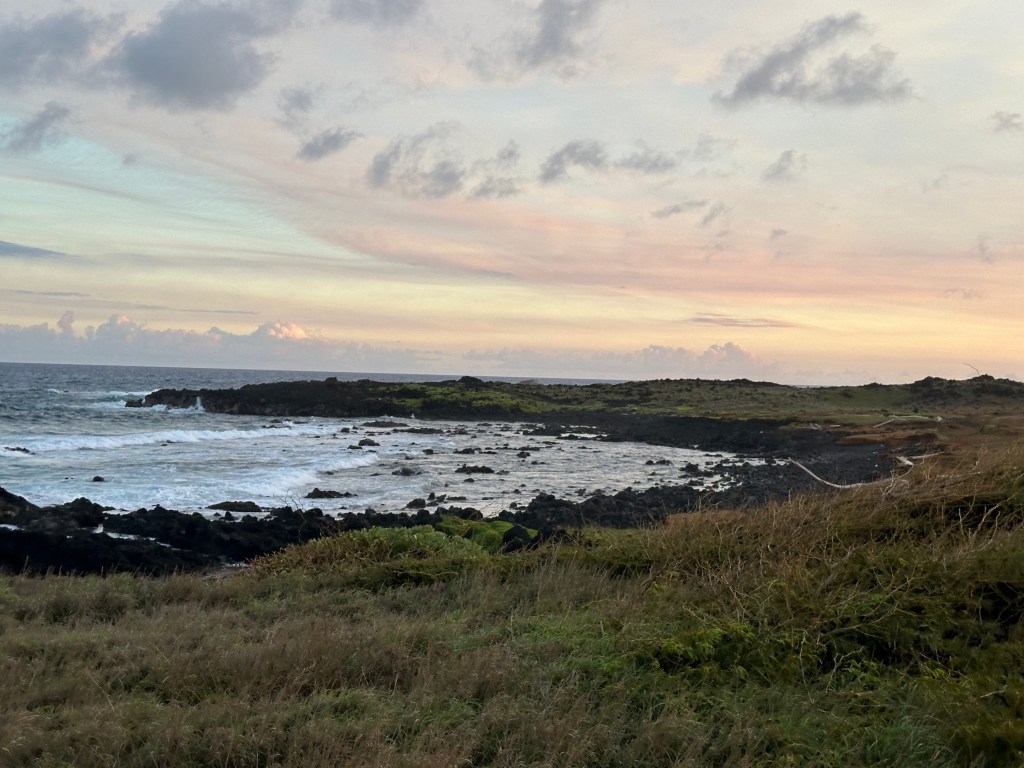
First off, you’ll find that the tides are usually much less prominent on islands, particularly those far from major land masses like Hawaii, than on the mainland. The main reason for this is the lack of wide and long continental shelves that force tidal waters to “pile up” on shorelines of major coasts. While spring tides in California often swing 6 or 8 ft, tides in Hawaii span about 2 to 3 ft. But don’t worry; this doesn’t prevent you from seeing the best animals, it just requires a little change in tactics. Anytime the tide is low enough to expose some rock and create protected areas is a good time to tide pool. Of course, lower is always better, but a 0.5 or 0.0 ft tide in Hawaii is plenty low to see wildlife.
Topography
The topography — the way the local land is arranged and textured — will also be quite different in Hawaii and other tropical islands than you are used to in temperate zones. Don’t expect the medium-sized isolated pools among bedrock and boulders like we have on the mainland. This fact almost excludes the style of tide pooling many of us are familiar with: keeping your feet mostly dry while scrambling on rocks around isolated pools.
In the absence of these “classic” tide pools, you’ll need to focus on exploring the intertidal in other ways. Most often, you’ll be exploring wide, shallow pools on lava shelves or wading on shallow, rocky reefs. Hawaii is volcanic, and you’ll find almost as many lava shelf beaches as you will sandy beaches. These shelves will often have pools that harbor marine life, but keep in mind that they will usually be very shallow, sometimes only a couple inches deep despite being many feet wide. Also the expect the lava rock shelves to be rather flat and very slippery. There will be nothing to grab onto with you hands while nearly invisible algae coating the rocks makes your foot slide on the slightest angles.
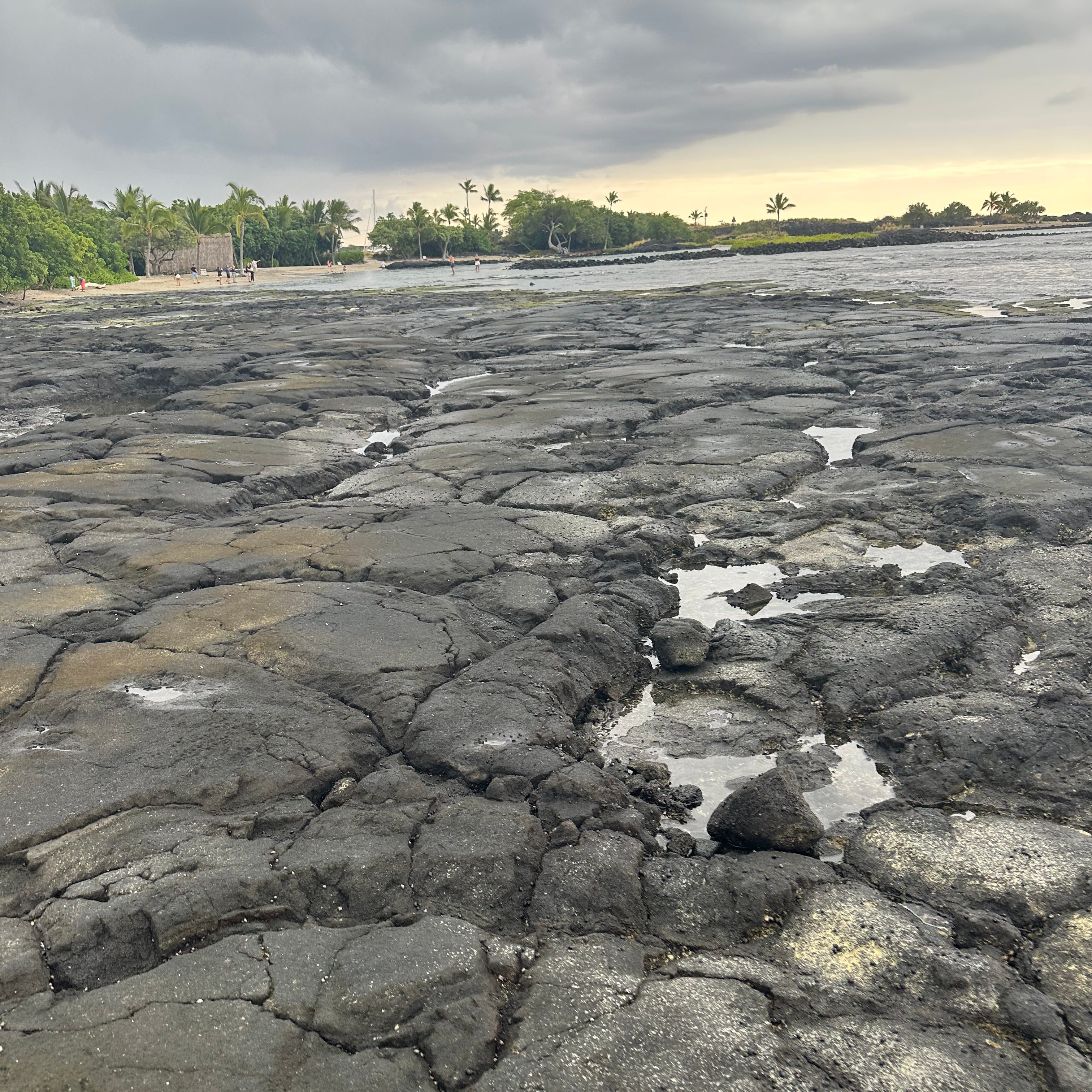
The other and probably more productive form of tide pooling in Hawaii is by wading in shallow, rocky reefs. These areas are basically huge pools protecting by barrier reefs. While they may never be emersed, it is still a great way to see marine life without swimming or snorkeling. Barrier reefs are common in Hawaii. Think the reef in Moana that created their lagoon, but on a much smaller scale than around the entire island. Coral heads and lava rock shelter bays and shall inshore reefs, creating relatively calm areas with few waves. Lava rock makes the slope of the beach relatively even in many places, sometimes hundreds of feet from the shore, and turning small rocks in these areas can be very fruitful. However, be sure to NEVER step on live coral you see in these areas. Corals are living animals that form the basis of many reefs and most are very slow growers. One misplaced step can crush decades of growth. They are also protected from any kind of damage or collection in Hawaii. Also be aware of sea urchin beds, but see this article for more info on them.
Wildlife
The marine life you’ll see tide pooling in Hawaii is also different from temperate zones. Hard corals and colorful reef fish aren’t uncommon, but the rocks are usually less plastered with sessile animals than they are elsewhere in the world. Do not abandon a site because it doesn’t look like there is anything that lives there. Appropriately turn rocks or just wait for the fish to be comfortable enough around you to come out. More on that in another post. Another great method is to tide pool at night, where it is legal to do so. Eels of many kinds, large crustaceans, and sea slugs all prefer to come be about at night in Hawaii’s intertidal, so don’t give up hope if you don’t see much during the day. To the delight of us temperate region residents, sea turtles in shallow reefs are not an uncommon sight.

Especially in the summer and fall, Hawaii’s warm waters will also impact what kind of life you see. Isolated pools can be reach temperatures of 90 degrees or more, causing stress to some animals and forcing others to find deeper, cooler water.

Categories
tags
Subscribe to the blog
Sign up to receive weekly emails with tide pooling information and guides so you never miss a post!

 The Tide Is Out
Leave a comment