
Can I Swim in the Tide Pools?

Ready for the short answer? It depends.
Ok, now keep reading.
Swimming in tide pools is a popular pastime, especially among avid swimmers or those who live near the coast. Although quite different from tide pooling to search for invertebrates, this topic warrants a brief article here.
By definition, a tidal pool refers to a place along the ocean where coastal features (usually rocks, but sometimes sand) trap water when the tide is high. When the tide goes out, the water remains and creates calm pools, cut off from the sea.
Tide pools are popular with swimmers because they are protected from large surf and often warmer than the ocean water if they’ve been sitting in the sun for some time. But not all tide pools are created equal, either for tide pooling or for swimming. Let’s look at a couple factors that make a tidal pool good for swimming
1. Size

Obviously, if you want to swim in the tide pools, you’ll have to find one that’s big enough to do so. Many tide pools are very small, sometimes only an inch or two deep. There are relatively few places along most coastlines that are large enough and deep enough for swimming (compared to intertidal zones that are suitable for exploring animal life). Most of these large pools are well-known in the community and visited by locals. In Hawaii and the Caribbean, swimming tide pools are frequently visited and not difficult to find if you know who to ask.
2. Safety: Physical Features
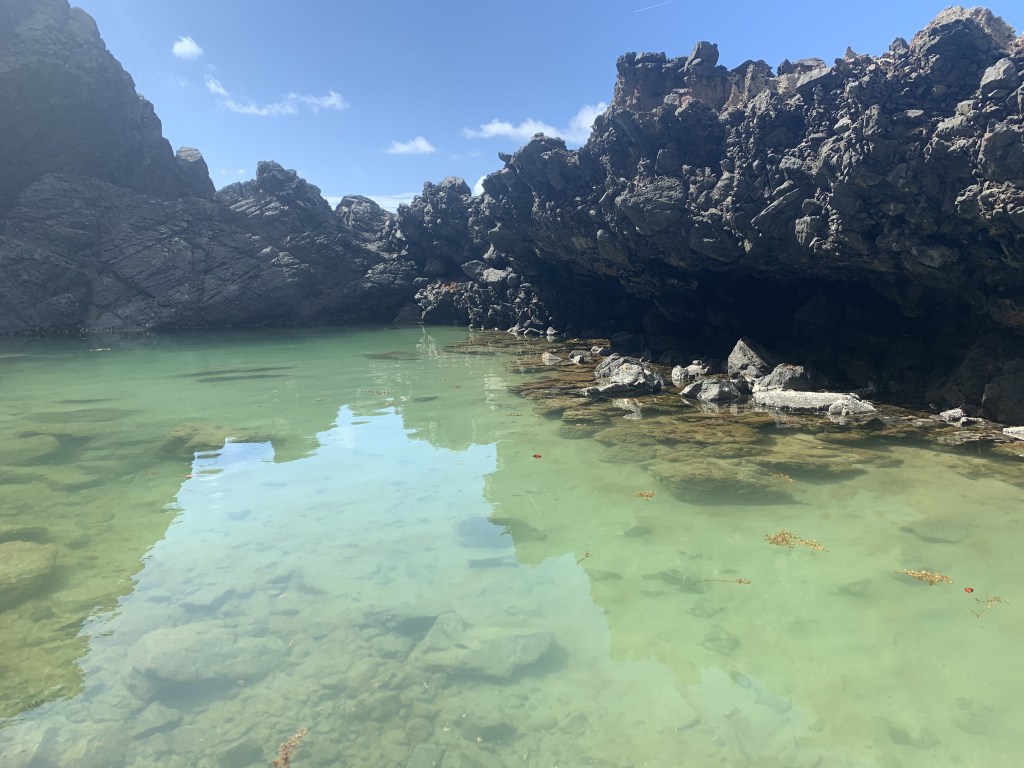
A pleasant tide pool swim requires that you don’t scrap your legs on sharp rocks and aren’t tumbled underwater by large waves. Finding a safe tide pool for swimming can be a challenge. The best option is to visit established swimming tide pools, where everyone knows it is safe to swim. A large tidal pool at an unknown location may not be as deep as you think, have submerged objects hidden from sight, be challenging to enter without jumping, or be prone to large waves overtaking the calm waters. All these dangers can cause serious injury and possibly life-threatening situations in a remote area or on an undeveloped coast. You’ll also need to be aware of when the tide is coming in to ensure you won’t be trapped or beaten by large waves. Always swim with a buddy and make sure that the pool is safe for swimming. If you’re not sure, don’t swim
3. Safety: Animal Inhabitants

Most of the marine life in tide pools isn’t going to harm you, but there are exceptions. Large, calm pools with lots of space and no surf might be just as enticing to marine life as it is to you. Although you are unlikely to encounter even small sharks in these pools (although that is possible), you might encounter other animals who view you as an intruder. Fireworms in the Caribbean, long-spined urchins in Hawaii, stingrays hiding along sandy beaches, and crabs with large pinches can all potentially cause harm to swimmers. Remember that the intertidal is these animals’ home; you are the visitor. Keep yourself safe and respect the wildlife.

This bearded fireworm (Hermodice carunculata) doesn’t look intimidating, but its fiber-glass like bristles leave painful burns and can cause dizziness and nausea.
Places to Swim in Tide Pools
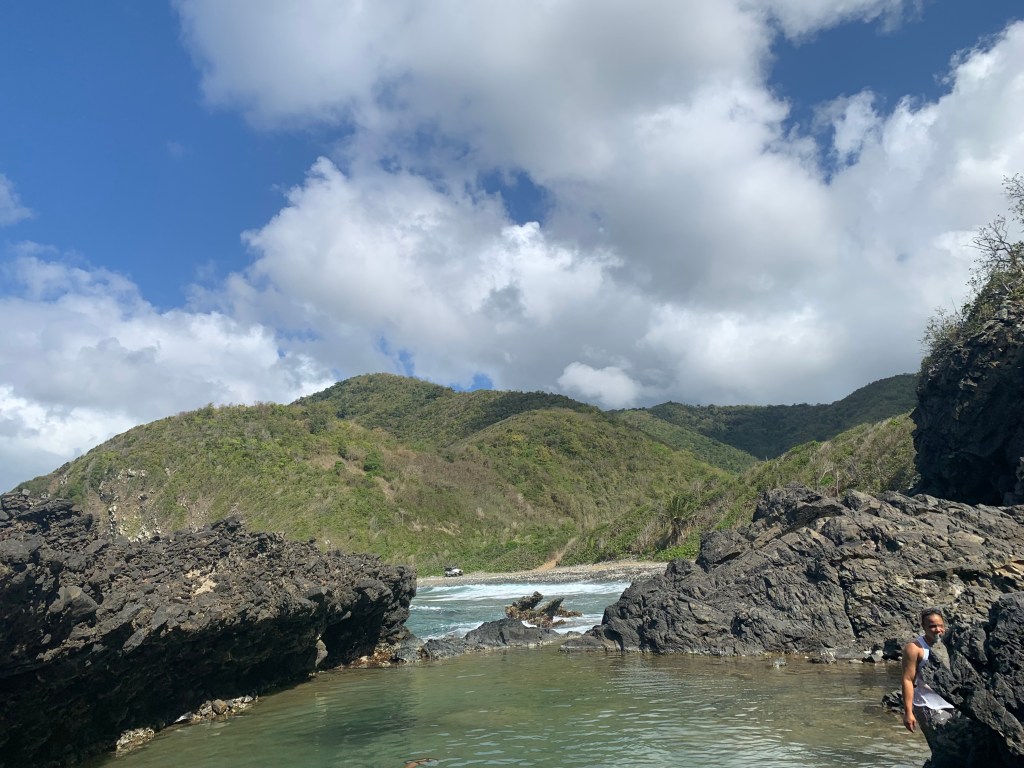
There are well-known swimming tide pools along most coastlines across the world. In fact, googling tide pools in an area not known for intertidal life will often bring you to articles for swimming tide pools. Hawaii and the Caribbean, with their rocky coastlines and warm waters, are especially popular for tide pool swimming, as are many places in Europe along the Mediterranean Sea. Some communities, like the one in Ketchikan, Alaska, have built artificial pools that are filled when the tide is high and serve as swimming pools when the tide is low.

Check out these articles for more information about swimming in tide pools.
Hawaii: https://konasnorkelandsail.com/kona-tide-pools-to-see/
Cold Water Tide Pools: https://thewildswimstore.com/blogs/swim-blog/tidal-pools-a-safe-haven-for-wild-swimmers
Caribbean: https://enrichingpursuits.com/annaly-bay-tide-pools/

Categories
tags
Subscribe to the blog
Sign up to receive weekly emails with tide pooling information and guides so you never miss a post!
 The Tide Is Out
Leave a comment