
5 Kinds of Intertidal Animals That Look Like Rocks
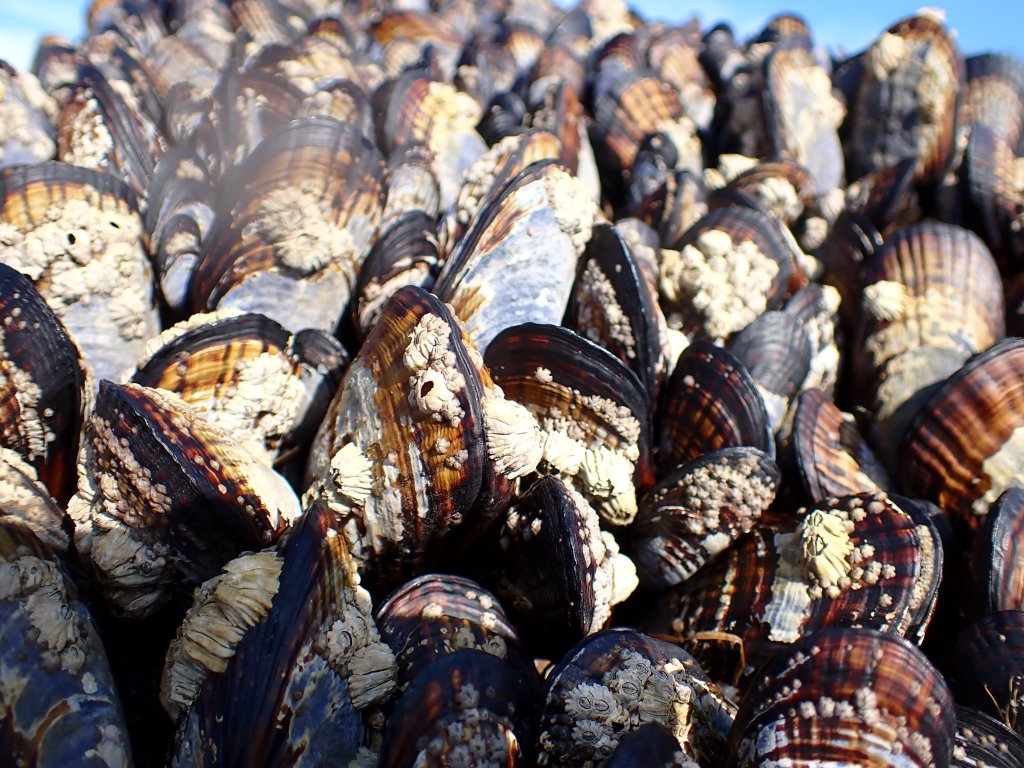
Sometimes it seems like there are a lot of things at the tide pools to avoid stepping on. Slippery, rocks, slippery seaweed, and slippery mud can all be difficult to avoid. But I’m here to add a few more things to the “don’t step on that” list. Five kinds of intertidal that look— and sometimes feel— like rocks.
While it’s impossible to always avoid stepping on these animals, it’s a good idea to go around them when you can. Most are protected by hard shells or exoskeletons which make them feel like rocks too, but you’ll find that our last animal today has a soft body and is perhaps the least likely to look like a rock of them all.
1. Mussels
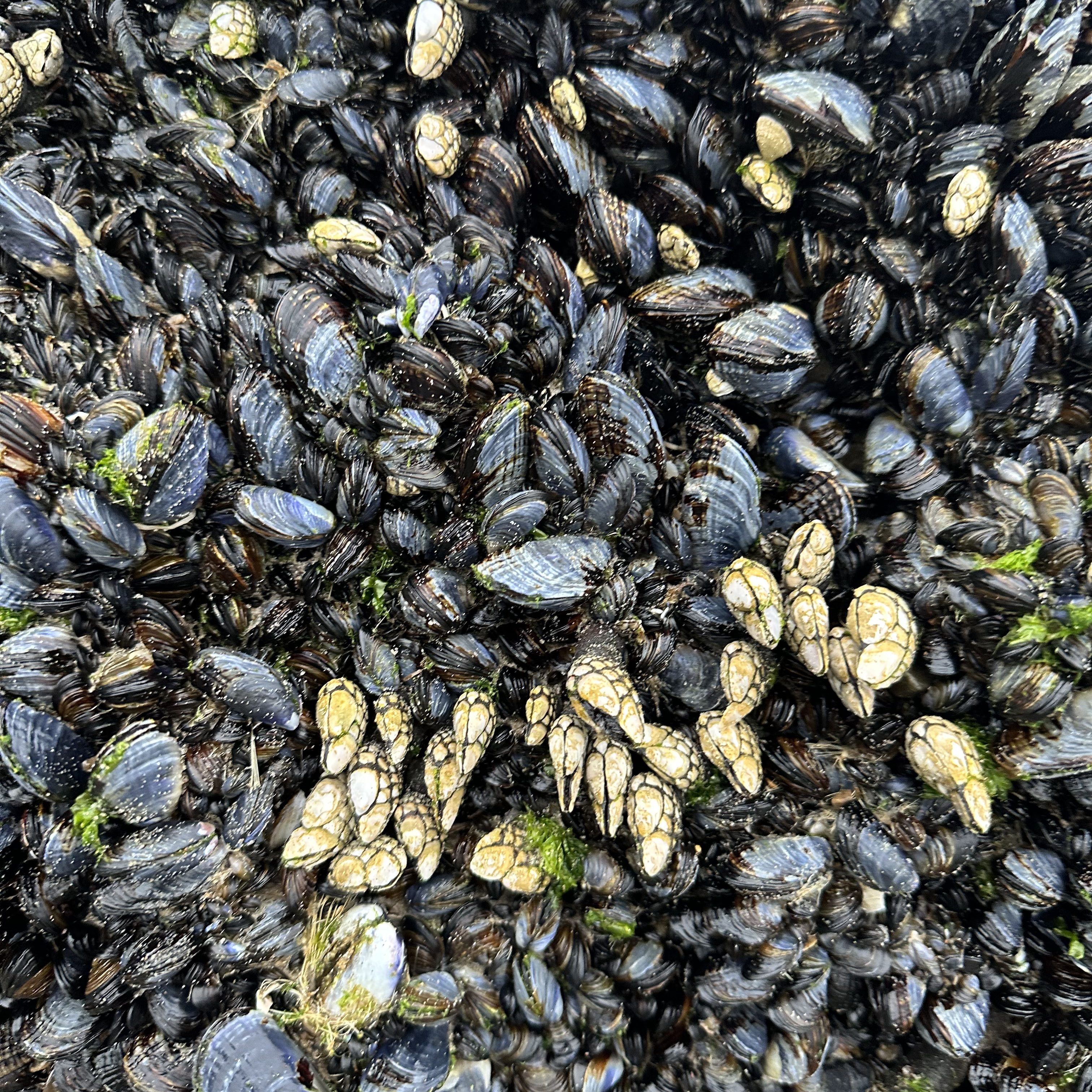
In California, these are the most common rock-like animals you will see. Sessile mollusks that firmly attach to the rock when they become adults, mussels aren’t going to betray their animal-ness by moving around. They grow in large numbers on rocky shores and often smother out other species. The California mussel (Mytilus californianus) is a rather beautiful variety, with blue and silver shells that are quite intricate despite being so common. Upon close inspection, most people would see that mussels aren’t rocks, but when they are coated to the entire rock, it’s hard to remember they are living animals waiting for the tide to return and shouldn’t be stepped on if you can help it.
2. Barnacles
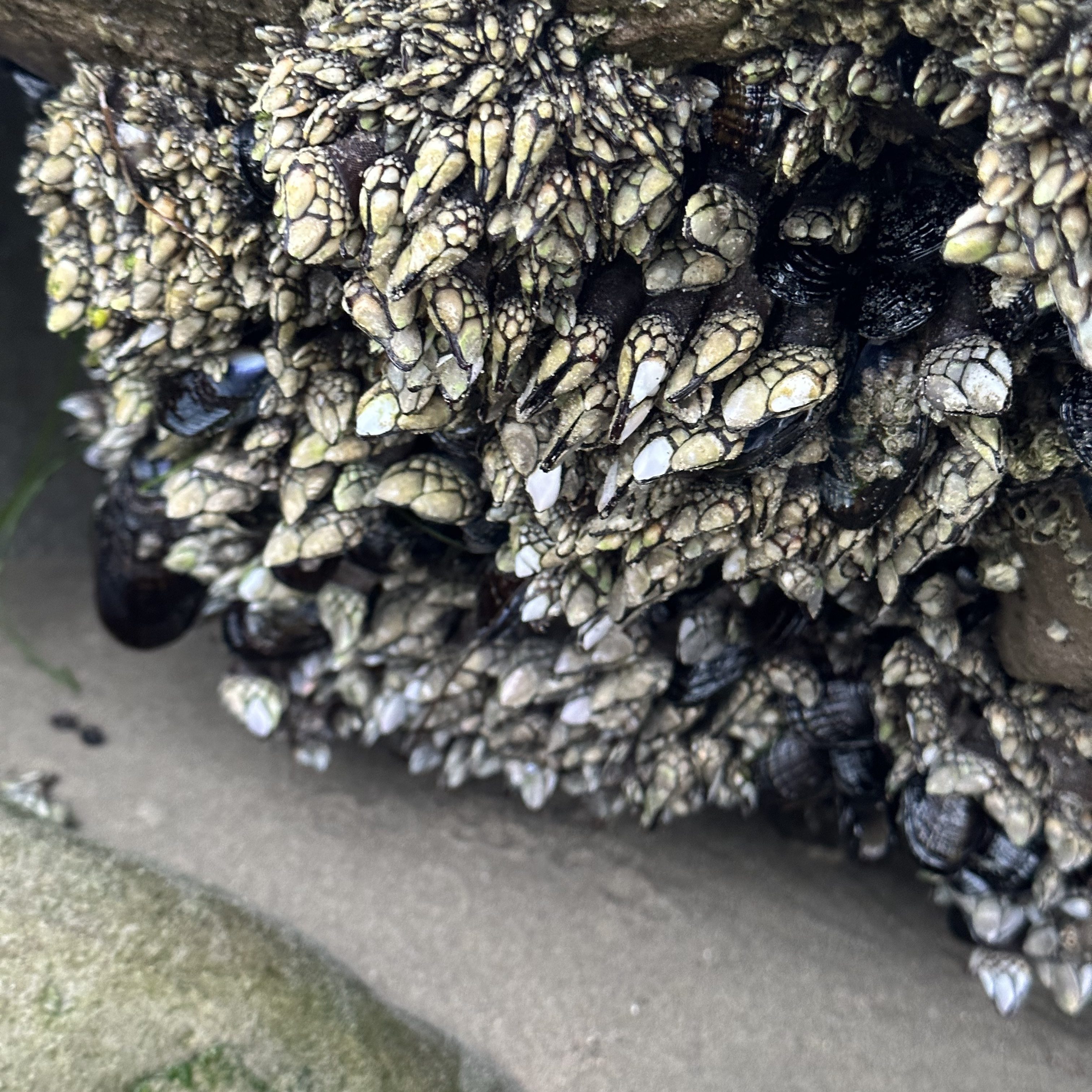
Barnacles are some of the world’s only sessile crustaceans. Like mussels, they attach themselves to a rock (or sometimes a whale or other living creature) for the rest of their lives when they become adults. But unlike mussels that have soft bodies inside their shells, barnacles have a more complicated crustacean body inside their hard exoskeleton that resembles a shell, much like crabs and shrimp. These guys are more likely to be mistaken for some strange form of actual rock than mussels, but they often live together, especially on our rocky shores
3. Limpets
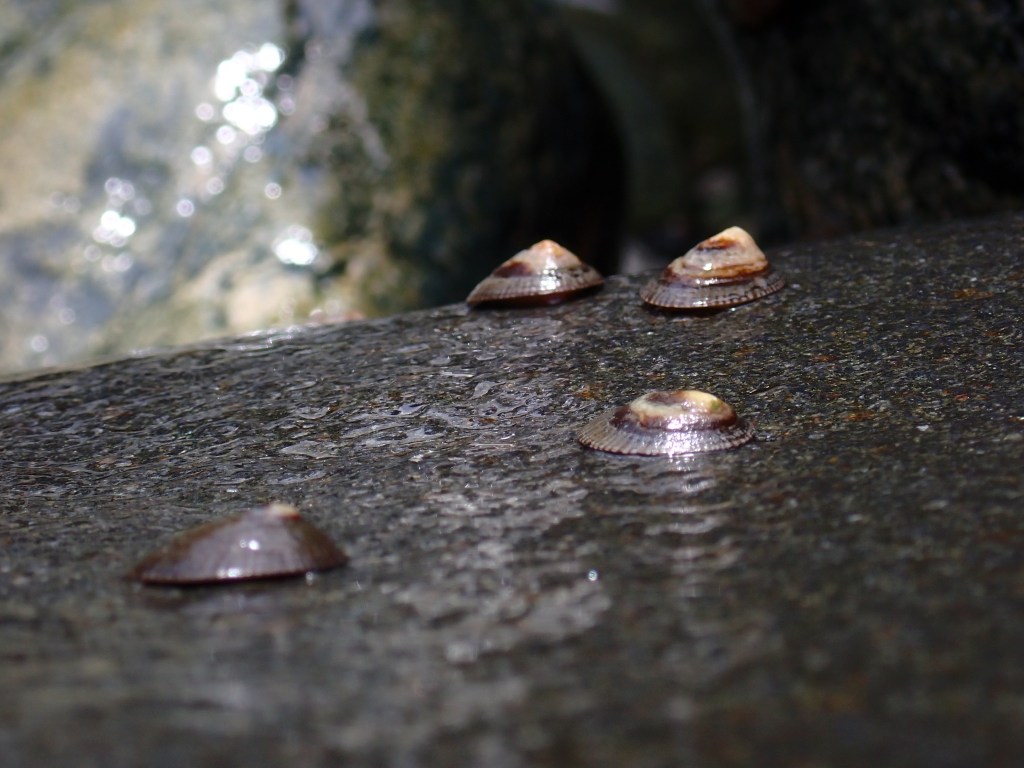
We’re back to mollusks! Limpets do move around, but typically only when they are underwater, so any that are exposed to the air will resemble little humps of rock for than anything else. Despite their dull appearance, some limpets have distinct behavior and are rather territorial. You can find limpets throughout the intertidal zone, often on smooth rock in the mid-intertidal. Their shells may look like small pebbles, but a fascinating creature is waiting inside for the tide to return.
4. Chitons
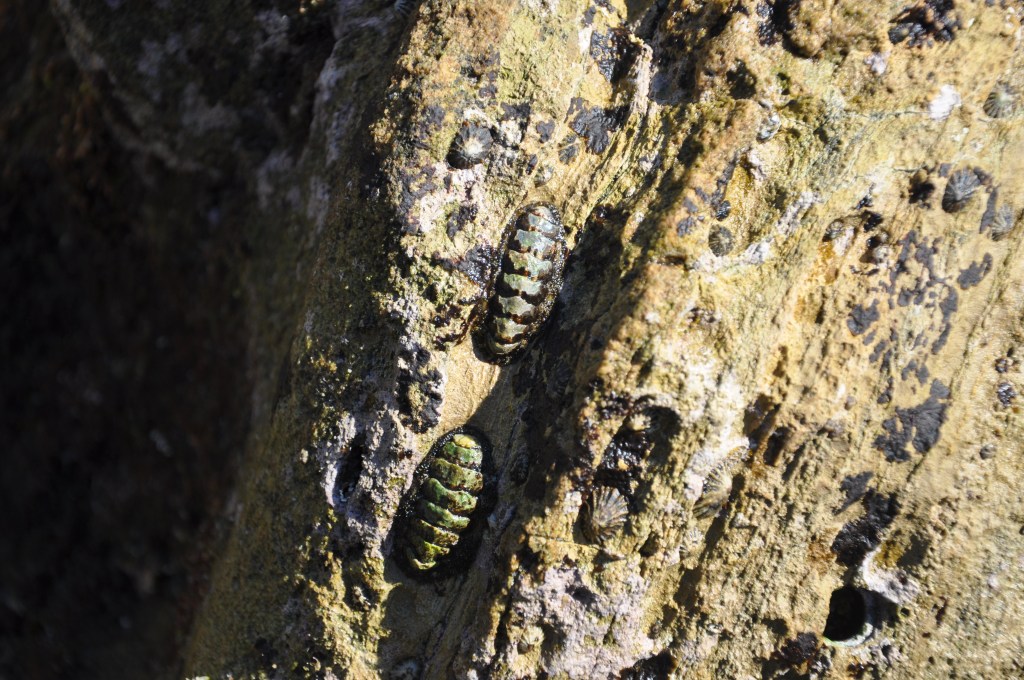
One of the most under-appreciated mollusks is the chiton, perhaps the most rock-looking of all these animals. They look more like fossils than living creatures, but much like limpets, they move about freely when submerged but clamp down like a suction cup on the rock when exposed to air. Characterized by their “plates of armor,” these animals are mollusks but are in their own family apart from both mussels and limpets. Keep your eye out for their distinction but sometimes hard-to-spot shells; they often like to hide in crevices and shaded areas to avoid drying out.
5. Anemones
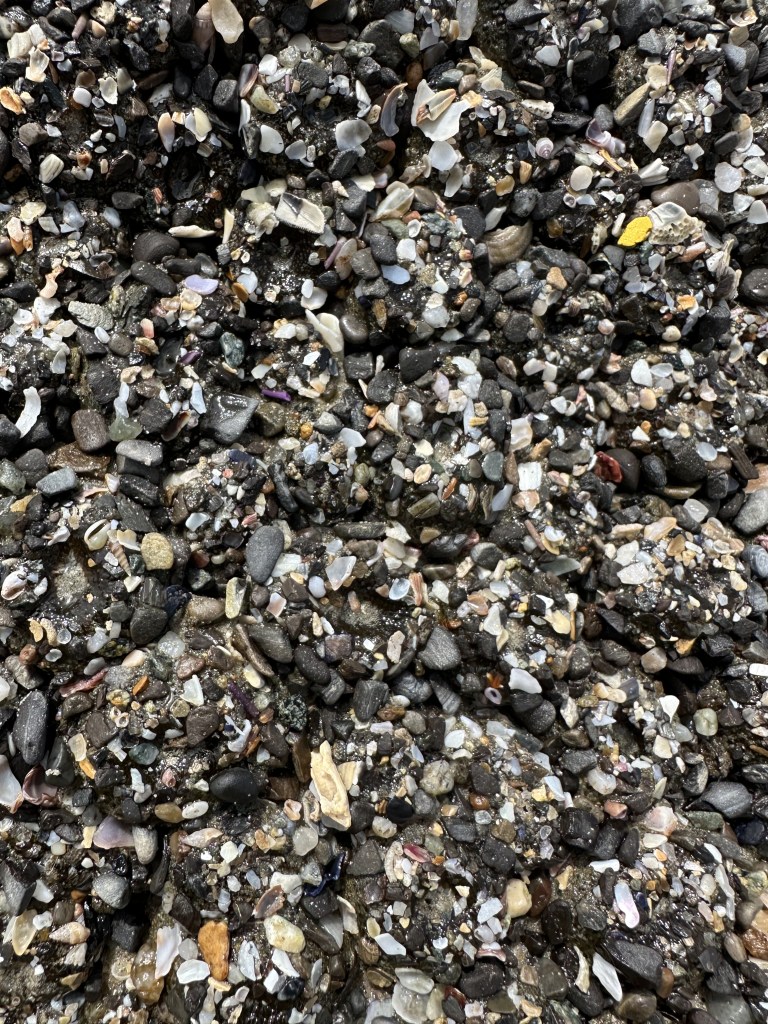

Yep, you read that right!
Anemones are the only ones that appear in both our list of plant-look-alike animals and rock-look-alike animals. Similar to corals and sea jellies, anemones are soft-bodied animals that look rather flower-like when they extend their tentacles, like in the photo on the right. But when the tide is low and they find themselves out of the water, an anemone will close in on itself and hide from the hot sun, like in the photo on the left. Many intertidal anemones also decorate their column bodies with shells and pebbles for protection and camouflage. These factors all added together can make this delicate, plant-looking animal almost indistinguishable from a rock. Aggregating anemones (Anthopleura elegantissima), which are common on California’s coast, often grow in colonies that number in the thousands, sometimes blanketing an entire boulder (see the photo below). To the untrained eye, it just looks like a rock, but others can see that the entire surface is covered in living animals.
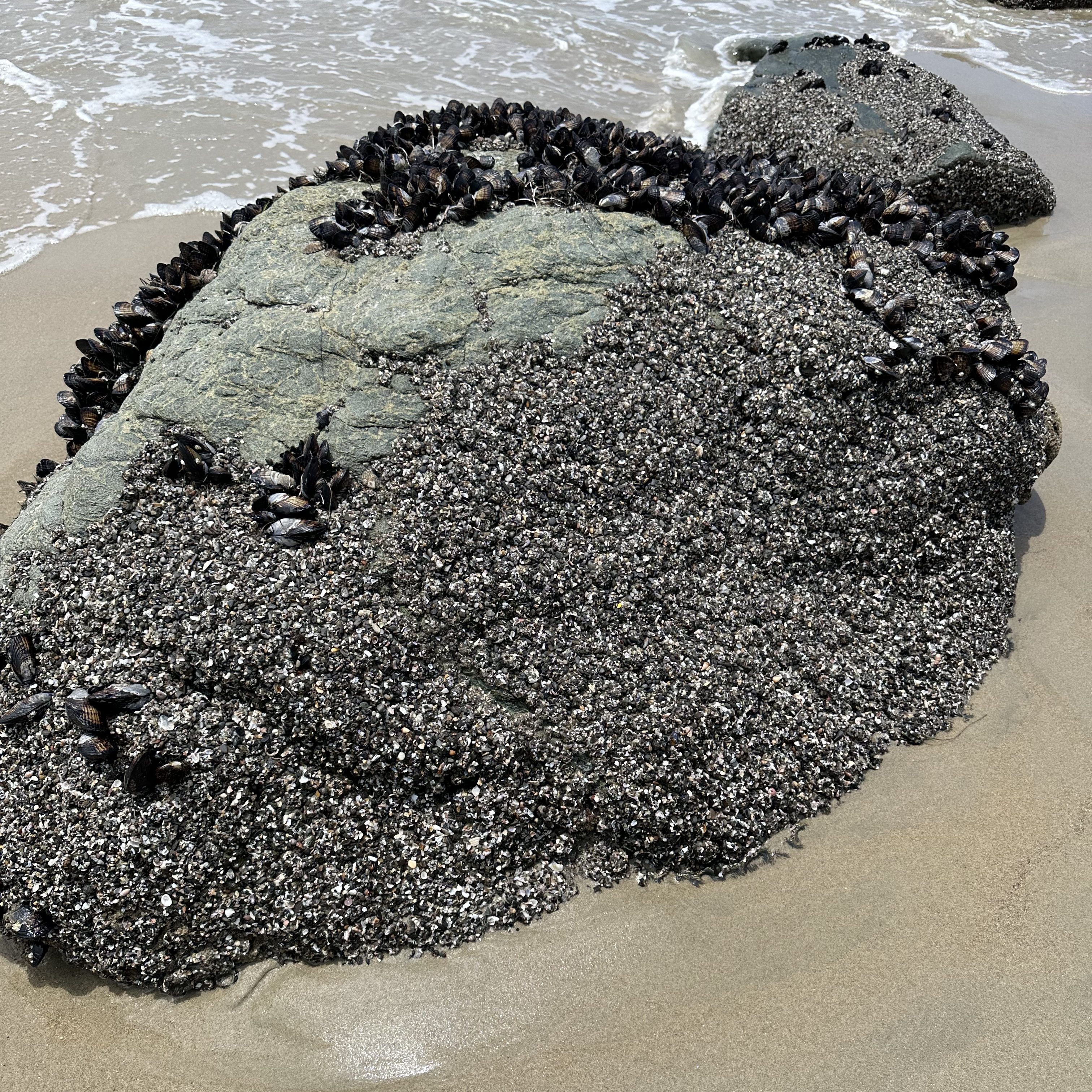
Moral of the story: don’t ever assume something isn’t alive at the tide pools because it just might be! Drop a comment below if any of these animals have fooled you in the intertidal and happy tide pooling!

Categories
tags
Subscribe to the blog
Sign up to receive weekly emails with tide pooling information and guides so you never miss a post!

 The Tide Is Out
Leave a comment