
Is Dock Fouling Worth It?
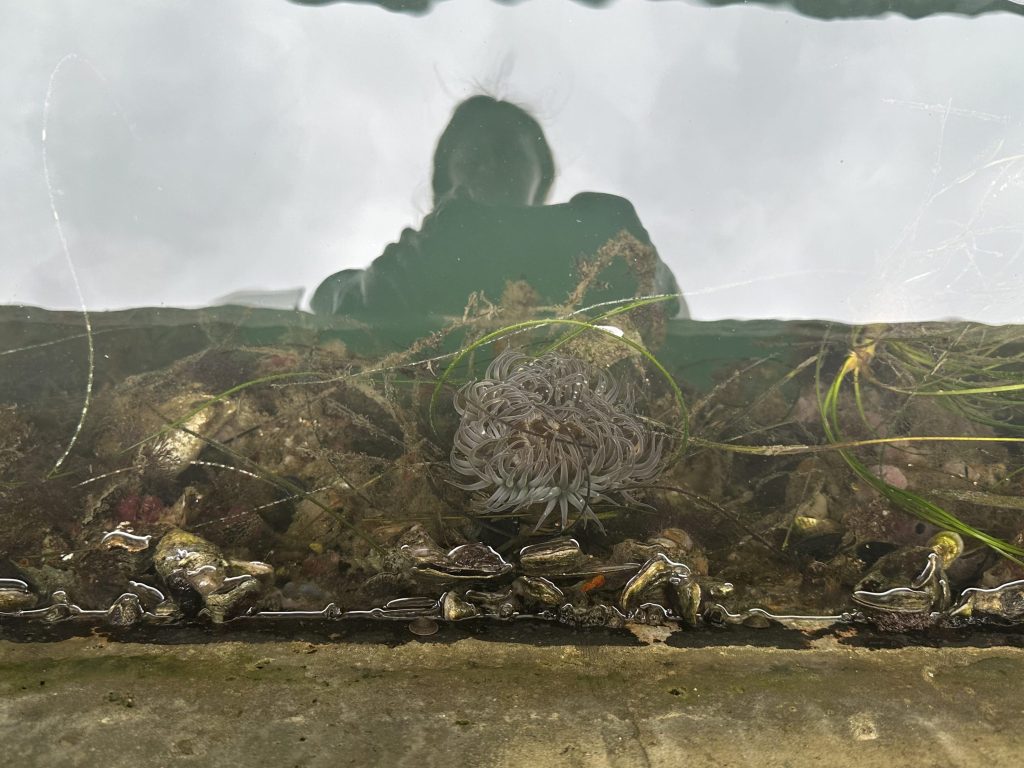
Dock fouling is a cousin hobby to tide pooling and many tidepoolers can also be found searching beneath floating docks when the tide is high. If you are new and haven’t heard about dock fouling before, check out this article.
A common question for amateur tidepoolers is whether dock fouling is worth their time. The answer depends on a variety of factors.
What do you want to see?

What you are aiming to see greatly impacts if it’s worth your time to go dock fouling. Many avid tidepoolers are after unusual nudibranchs that live in the low intertidal. For those in this camp, dock fouling is a great way to see more species and break free from the limits of the tide. However, for those looking for other invertebrate groups such as large echinoderms and cnidarians and most crustaceans, dock fouling probably isn’t for you. These animals don’t live hanging upside down on a dock, and you will likely only see them in the shallow intertidal waters.
Where are you going?

Finding cool animals while dock fouling is hit and miss, mostly due to periodic dock scraping. The undersides of docks are scraped of “fouling,” as the animals and algae are often seen as a nuisance by the owners of the dock. You will always find sessile invertebrates of some kind on the underside of docks: tunicates, sponges, bryozoan, and some hydroids. These kind of animals resettle scraped docks quickly and can survive there as filter feeders; they don’t need other animals to prey upon. However, the more elusive nudibranchs, sea spiders, fish, and small crustaceans feed on other animals and need more time to resettle a scraped dock. If the nudibranch’s food source is being scraped away every couple months, no nudibranchs will live there long term.
It is sad to return to a favorite dock fouling spot only to find it has been scraped and no longer supports the animals life it used to. You can find docks that aren’t often scraped by searching on iNat for dock fouling projects or nudibranchs that aren’t seen on the coast.
What are you willing to do to Find your nudibranch?

Let me explain. The tide pools are sweeping, picturesque seascapes where many avid tidepoolers and beach goers alike look for beautiful invertebrates. The docks are smelly, dirty areas, usually in harbors or bays and typically used by boaters or fisherman who will look strangely at someone lying on their stomach looking into the water. In other words, a tidepooler is not the most common visitor to the docks and you will indeed look like a crazy person while dock fouling. Are you ok with this? Is finding that nudibranch you’ve always wanted to see worth it? It can help to bring a friend along with you to buffer some of the awkwardness. I have found that most boaters and fisherman are more curious and confused than anything else. Just make sure you are courteous to them and are willing to explain what you are doing in a friendly way.

Categories
tags
Subscribe to the blog
Sign up to receive weekly emails with tide pooling information and guides so you never miss a post!
 The Tide Is Out
Leave a comment