
7 Tips for Safely Tide Pooling Alone

Tide pooling alone is a difficult topic for avid tide poolers. Inevitably, an avid tide pooler will find themself faced with a good opportunity to tide pool and no one to go with them. In this post, I’m not going to deal with whether or not you should go tide pooling alone, as this is a personal decision for every tide pooler. Instead, I’m going to give those of you who have decided to explore the intertidal alone a few tips on how to stay safe.
While I believe the advice presented here is sound, it is worth noting that I cannot guarantee your safety by simply following this advice. I have broken some of these rules and been fine; others have followed them and gotten injured. This is merely general advice to help you prepare and act in a way that lends itself to staying safe.
- 1. Tell someone where you are going and when you’ll be back
- 2. Make sure there are other people around, even if they are strangers
- 3. Wear light colors and bring proper equipment
- 4. Go to a location you are familiar with
- 5. Don’t go tide pooling alone at night
- 6. Go extra slow
- 7. Be aware of your surroundings
1. Tell someone where you are going and when you’ll be back
This is a good practice for any outdoor activity, but is especially important for tide pooling. One of the biggest risks involved with tide pooling alone is being injured with no one there to help you. Having someone aware of where you are and when you should be back gives you a hotline back to those who can help you. Give itineraries to those you trust who will check in on you if you don’t return when planned.
2. Make sure there are other people around, even if they are strangers
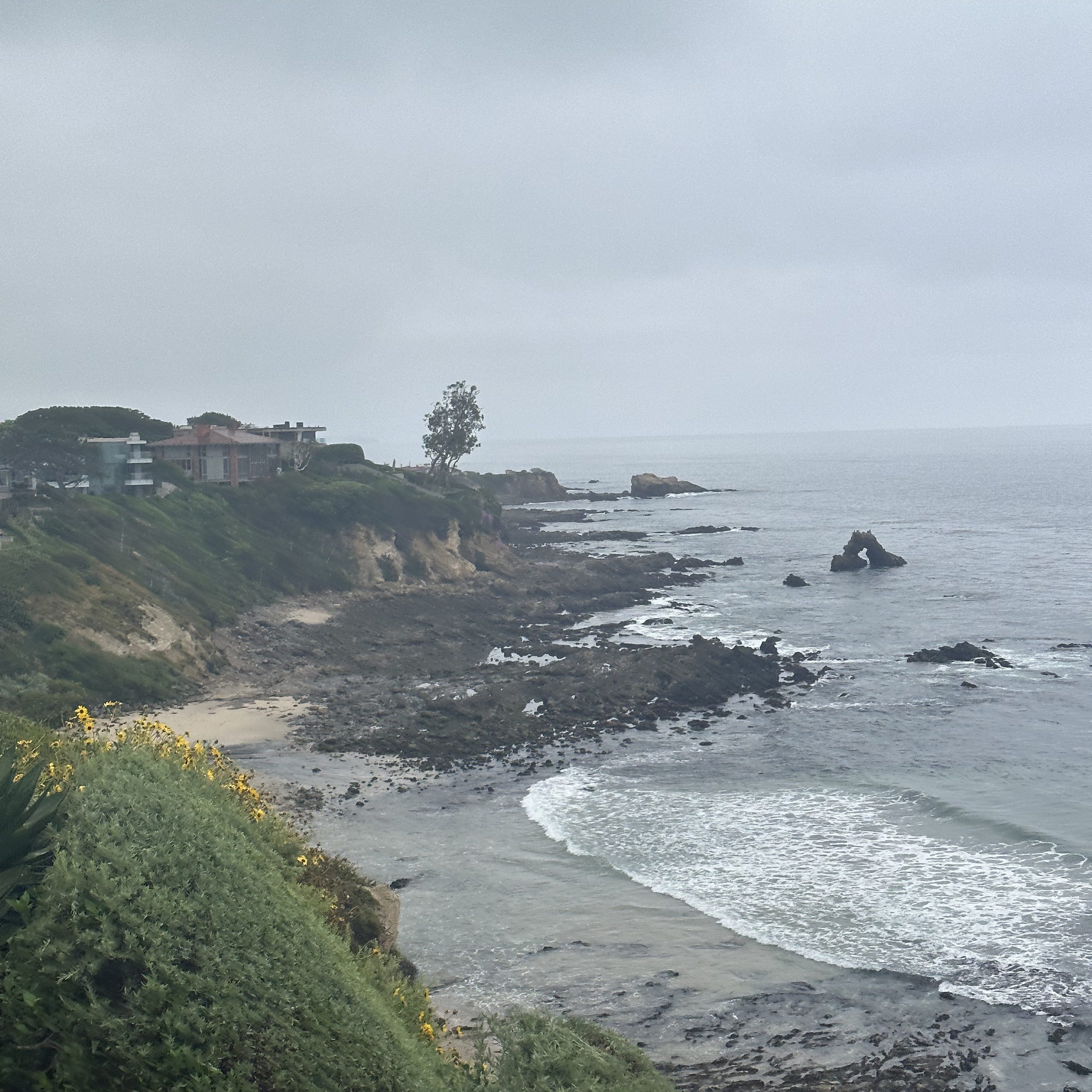
If you’re going to tide pool without anyone you know, don’t go on a five mile hike to a remote beach with no one else around at all. Injuries sometimes need more immediate attention than a friend back home is able to give. Making sure you are within eyesight or earshot of others, even just other beach goers, can safeguard against being injured while truly alone. It also keeps you from becoming a target to any bad actors looking for someone by themselves.
3. Wear light colors and bring proper equipment
Wearing light colors is always a good idea while tide pooling so that you can be easily seen by others. There is no need for camouflage when searching for nudibranchs; they can’t see you anyway. You’ll also want to make sure you bring all the proper equipment when you tide pool alone including water, snacks, a small first aid kit, and your phone in a safe pocket or bag. Don’t leave you phone in your back pocket whenever possible as it is likely to get wet and/or smashed if you fall.
4. Go to a location you are familiar with
Again, this is to minimize risk of injury or incident. Don’t venture into areas where you do not know the terrain, general wave patterns, tides, or paths to access the shore. Even if you think you’ll encounter other tide poolers there, you may not. Take a buddy with you to these areas.
5. Don’t go tide pooling alone at night

I know it’s tempting; the excellent nighttime and pre-dawn low tides are the most difficult to find company for (unless it is from other avid tide poolers). But really, it’s not a good idea to go tide pooling alone at night. The increased risk of incident due to darkness is increased even more when alone. A minor injury can turn into a major problem if no one is there to help you. Make sure you at least have someone sitting on the beach watching your headlamp if they don’t want to explore the rocks with you. You can read more about tide pooling at night in this article.
6. Go extra slow
This is kind of a no-brainer: be more careful when you tide pool alone. While being by yourself does not increase the probability of getting hurt, it does increase the chances of minor incidents and injuries becoming bigger issues. A twisted ankle with a friend is bad situation; a twisted ankle alone can turn into a life and death scenario if the tide is coming in.
7. Be aware of your surroundings
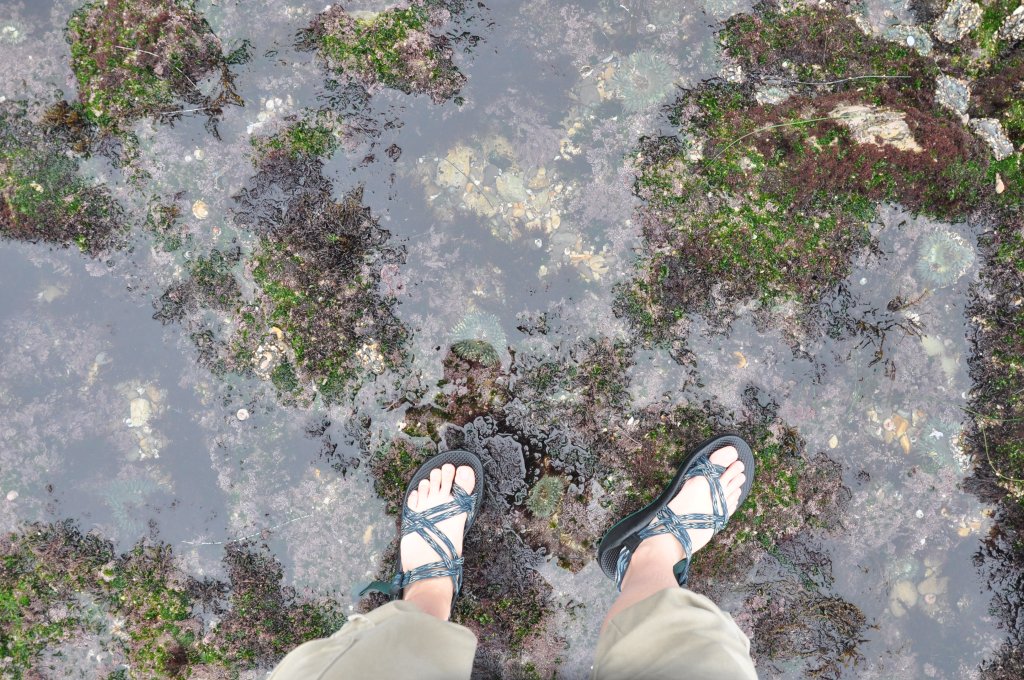
When alone on the rocky intertidal, it is especially important to pay attention to your surroundings. Be aware of the tides, the time, and especially the waves. Sneaker waves are not uncommon and do not always come in sets of 5 or 7 as many sources say. Keep your eye on the ocean. It is also important to be aware of other people. Ensure that there are others around and make note of suspicious behavior that might endanger you, even indirectly. Try to give others the benefit of the doubt, but remain of aware of what is happening around you.

Categories
tags
Subscribe to the blog
Sign up to receive weekly emails with tide pooling information and guides so you never miss a post!
 The Tide Is Out
Leave a comment