
Tide Pooling Safety 101
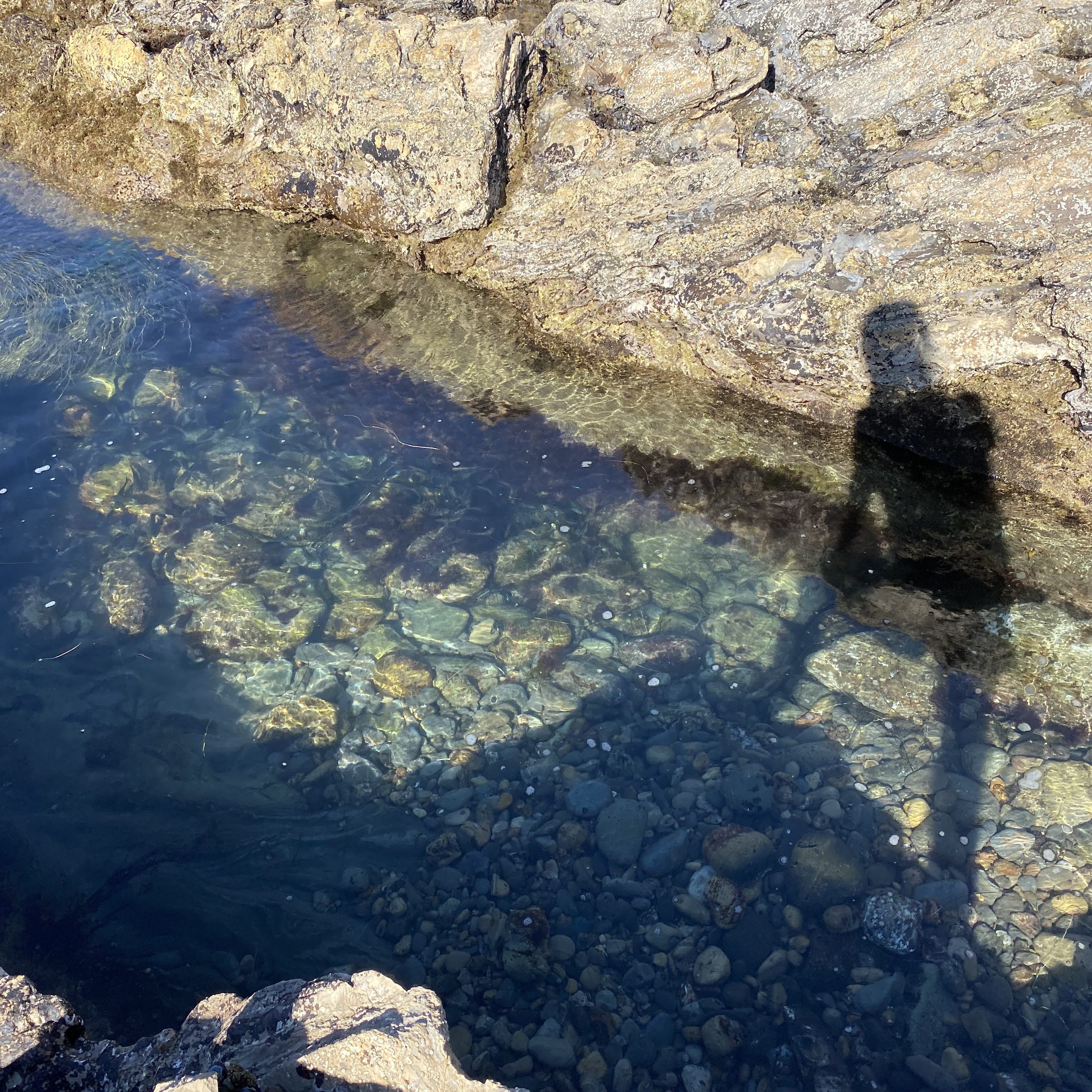
Like many outdoor hobbies, tide pooling is not inherently safe. Sharp rocks, pounding waves, extreme weather, and stinging or spiny animals all present threats to your person. These however are not typically reasons to avoid tide pooling (unless there’s a severe storm or something else out of the ordinary), as there are a few safety tips that can help you stay out of harm’s way. Although the principles below cannot guarantee your safety while tide pooling, they will help you generally stay safer while exploring this ecosystem.
- Be Aware
- Watch your Step
- Know Your Limits
- Be Prepared
- Supervise Kids
- Head Signs and Warnings
- Go With a Group
Be Aware
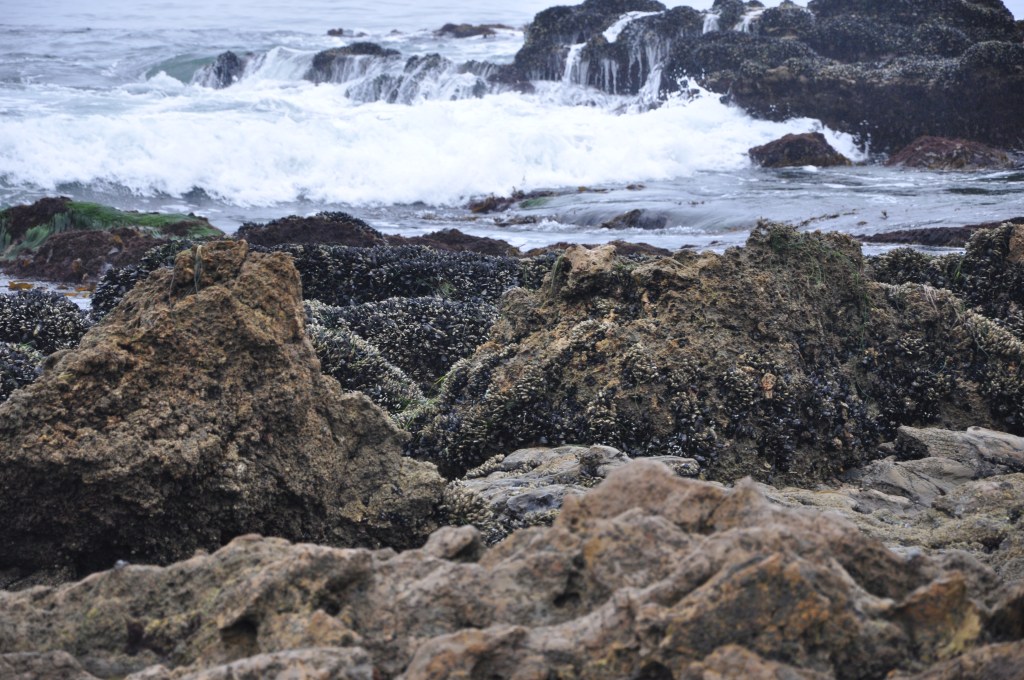
This is probably the single most important safety tip for tide pooling I can give: be aware of your surroundings and what you might encounter while there. You can improve your knowledge what you can expect to encounter at the tide pools but reading this article and other articles on this blog; great job! But it is arguably even more important to be aware of your surroundings while on the rocks. The old axiom “don’t turn your back on the ocean” certainly holds true. Keep an eye on the tide level, pay attention to wheter it is coming in or going out, watch for any sneaker waves, and know what your exit route will be if you need it.
It’s also important to put your head up every once in a while and be aware of anything happening on the beach or of other beach goers that are on the rocks, especially if it is dark or you are alone.
Watch your Step
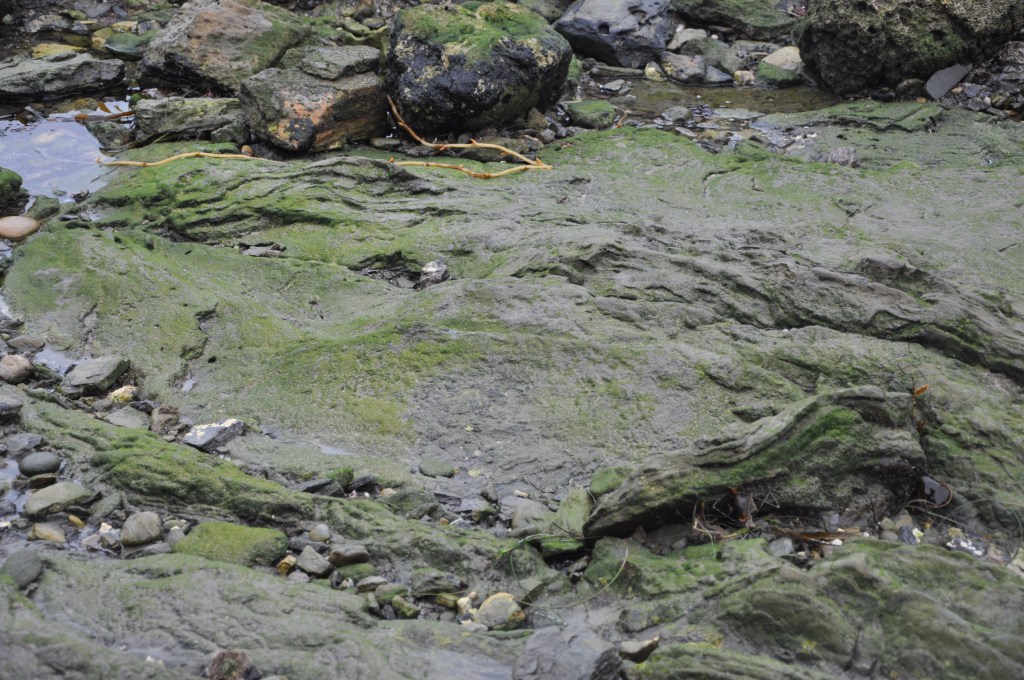
It’s no secret that the tide pools are slippery. The wet rocks alone are bad enough, but sea weed, micro algae, and unstable rocks often make it easy to lose your footing. Make sure to step on bare rock whenever you can and test each step with some pressure before trusting your foot to it. Slipping— and subsequently getting scraped up at best and hitting your head at worst— is undoubtedly the biggest risk while tide pooling.
Some sea weeds and sea grasses aren’t as slippery as others, but knowing the difference only comes with time, so beginners should avoid stepping on them whenever possible. It’s also important to avoid stepping on sessile animals such as mussels, barnacles, limpets, and exposed anemones as much as possible, as this can harm or kill the animals.
Know Your Limits
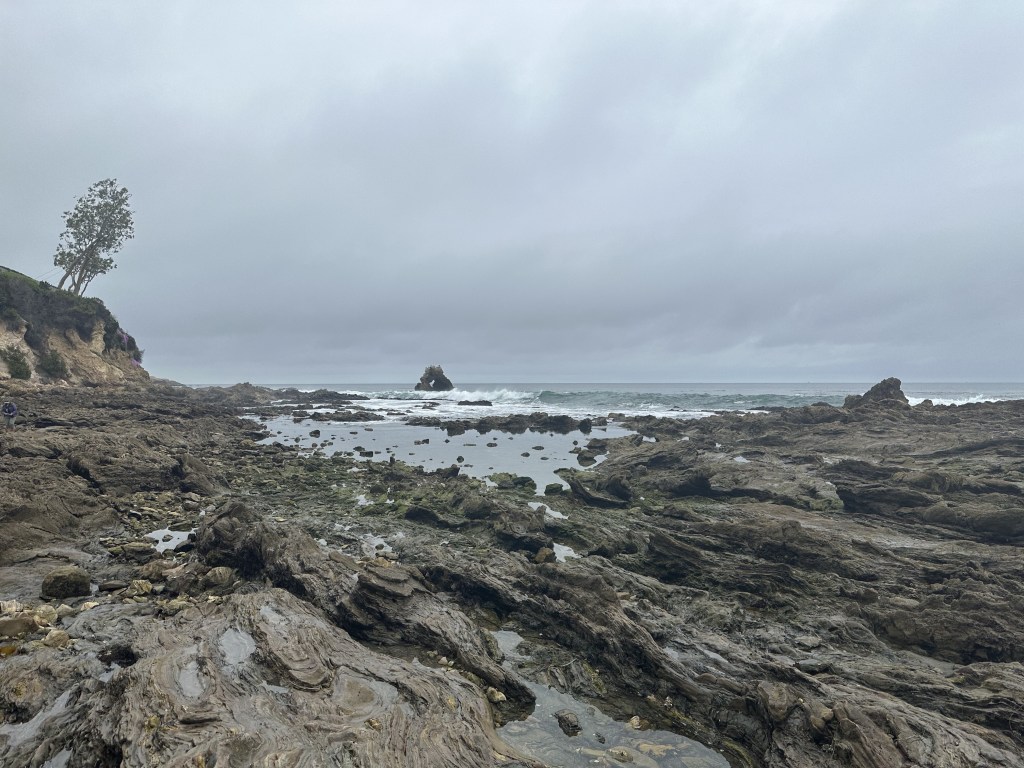
And don’t exceed them. Being too ambitious by trying to round that headland or make it out to that pool closest to the pounding waves is a recipe for trouble. Be honest with yourself about how far you can get without help, and if you can get back. Certain pools are often more difficult to access than others; don’t put yourself in danger for a peak in a tide pool.
Be Prepared
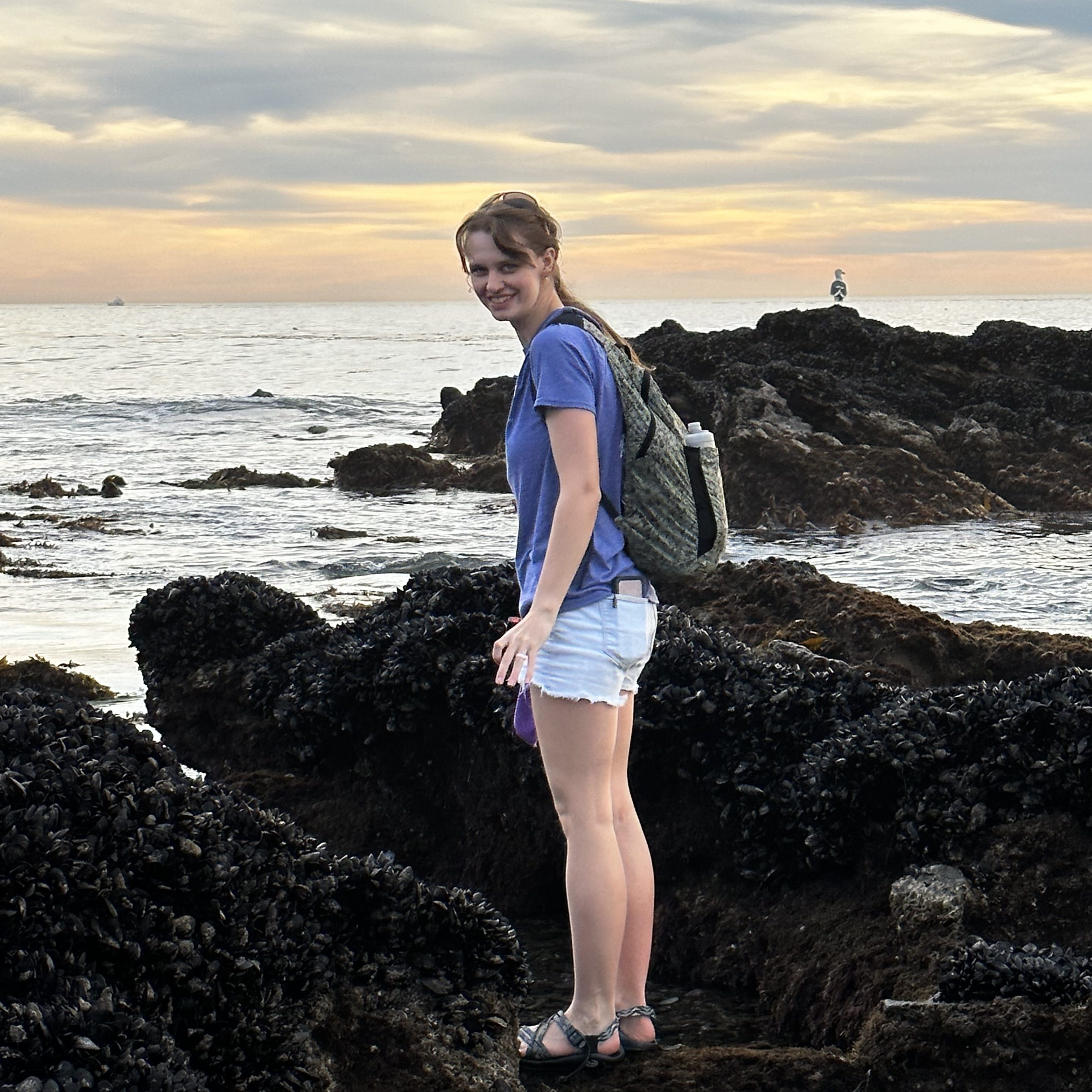
Before visiting the tide pools, you must understand that you are participating in a dangerous activity. While I am not aware of any documented stories of deaths on rocky shores, it is not difficult to envision falling and being knocked unconscious, possibly into the water. Understand the risks and use appropriate caution. Everyone should at least recognize that they might get a bruise or too and perhaps sore hands from leaning on rocks. At the very least, you will probably get wet.
It’s a good idea to bring a small first aid kit tide pooling, for minor cuts and scrapes. Wearing the right shoes and clothing also significantly decreases your risk of injury.
Supervise Kids

This really shouldn’t need to be stated, but you must supervise your kids if you choose to bring them to the tide pools. These areas can be a great way to introduce your kids to marine life and teach them respect and proper tide pooling etiquette, but all the dangers that apply to adults are magnified for kids. The tide pools are not safety-certified playgrounds, but wild, dangerous places. Please watch your kids.
Head Signs and Warnings
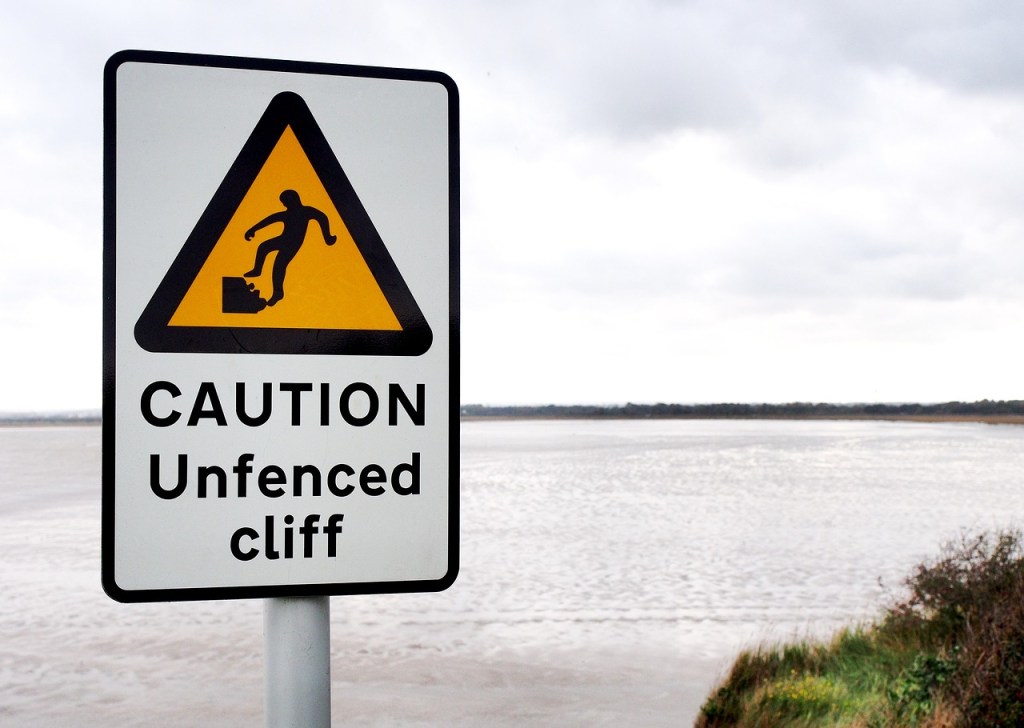
It’s tempting to think that sign saying “dangerous coastal area” is only for those who don’t know what they’re doing, but you might want to think again. These warnings are there for your safety and it is not advisable to ignore them. If it says unstable cliffs, find another way down. If it says sneaker waves common, don’t get to close to the breakers.
It’s also important to heed weather alerts for high surf, strong currents, heat advisories, or heavy storms. In the last situation, you won’t be able see the animals anyway, so the tide pools won’t even be worth visiting.
Go With a Group
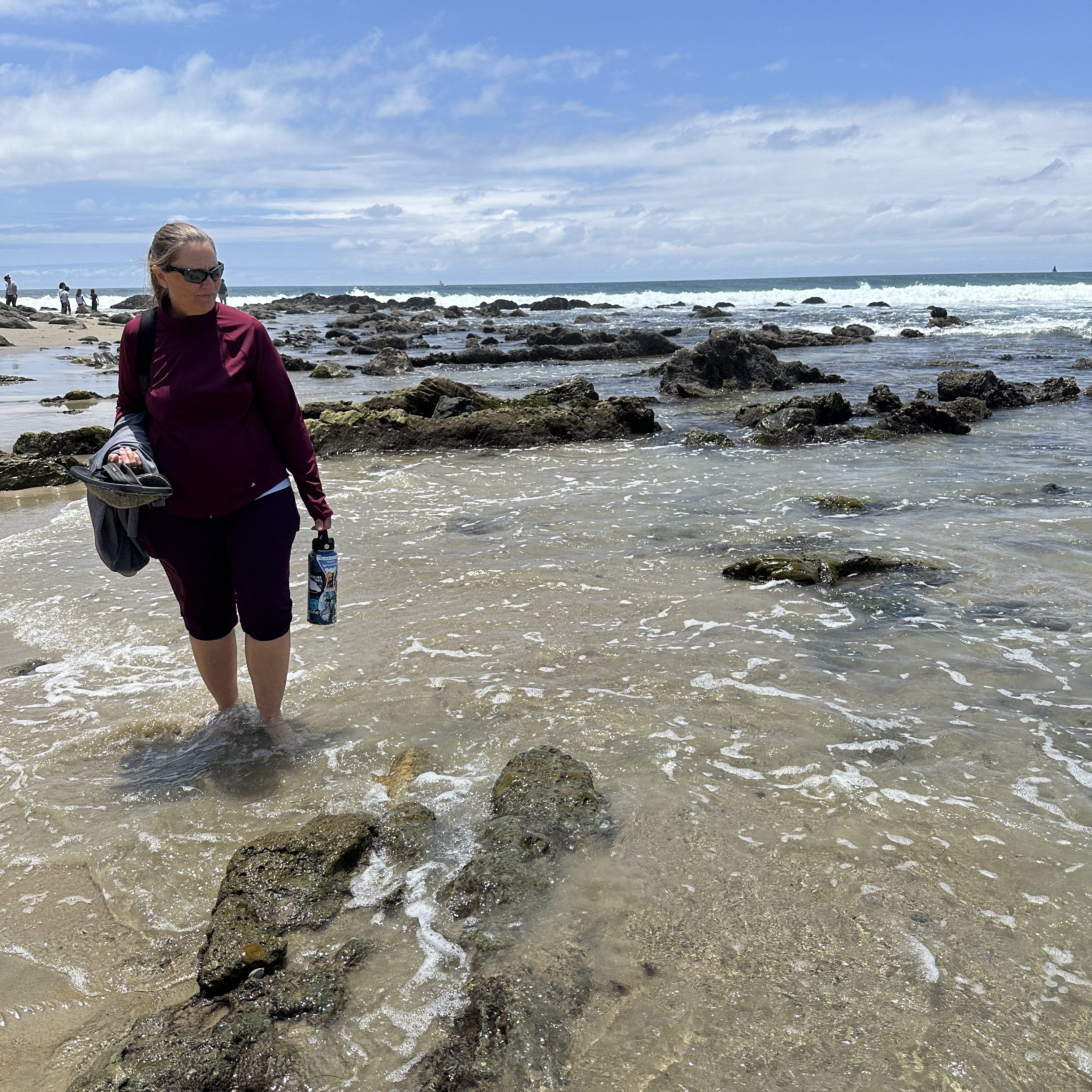
If you aren’t an experienced tide pooler, you shouldn’t go to the tide pools alone. This is for safety of every kind; more eyes are more likely to spot hazards before it’s too late. Keep tabs on where other members of your group are (it’s not always practical to move as a cohesive group), and check in to make sure everyone is ok. And besides, it’s more fun to share your animal finds with others with you

Categories
tags
Subscribe to the blog
Sign up to receive weekly emails with tide pooling information and guides so you never miss a post!

 The Tide Is Out
Leave a comment