
The Beginner’s Guide To Tide Pooling Etiquette
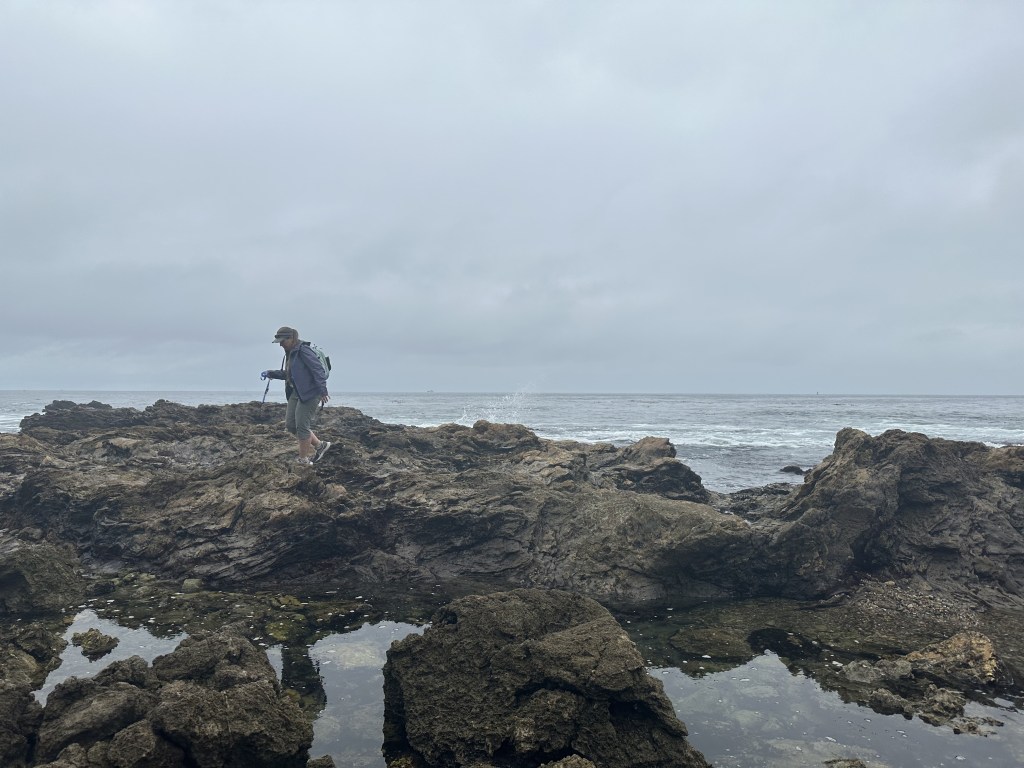
No blog about tide pooling (are there any others?) would be complete without a article about tide pooling etiquette, so here we go!
Pretty much every activity has etiquette that you don’t find out about until you’re doing it, so don’t feel bad if you’ve broken on of these guidelines, just file it away for next time. Many of these guidelines (I’ll call them that instead of rules) are for your own safety, that of others, or that of the animals and life in the tide pools, so you should follow them if at all possible. And plus, it’s just nice to be nice.
- 1. Don’t take anything alive
- 2. Don’t disturb the animals
- 3. Don’t litter, ever
- 4. Don’t step on anything alive
- 5. Don’t crowd people or animals
- 6. Watch the ocean and the tides
- 7. Control your dogs
- 8. Brief your kids on how to act
1. Don’t take anything alive
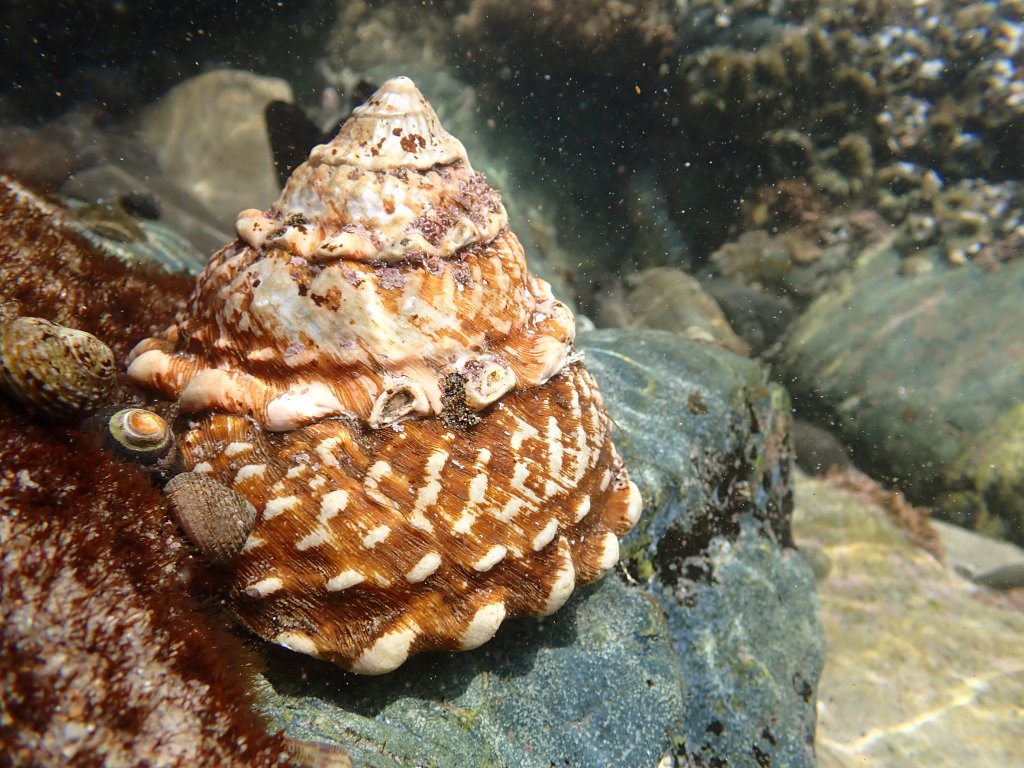
I know there are probably some shellers out there reading this, so I’m not saying that you should never take anything from the beach. But it is very, very important to never take anything that is alive. If you’re not sure if it’s alive, put it back. Tide pools are very delicate ecosystems and every species is important. Taking live animals not only kills them and reduces their population, but also reducing food for some animals and predators for others, throwing the ecosystem out of balance. If you want to see it next time you come, don’t take it.
While shelling and other collecting from the beach is ok in moderation, it is never ok to take anything from Marine Protected Areas (MPAs). Many of the best tide pools in SoCal are MPAs, which restrict any kind of collecting or fishing. This is why many of these areas are so full of life. It’s also illegal to take anything from these areas, and many beaches are patrolled by police, especially at low tide. Look for signs about MPAs as you’re heading to the beach. They’re hard to miss.
2. Don’t disturb the animals
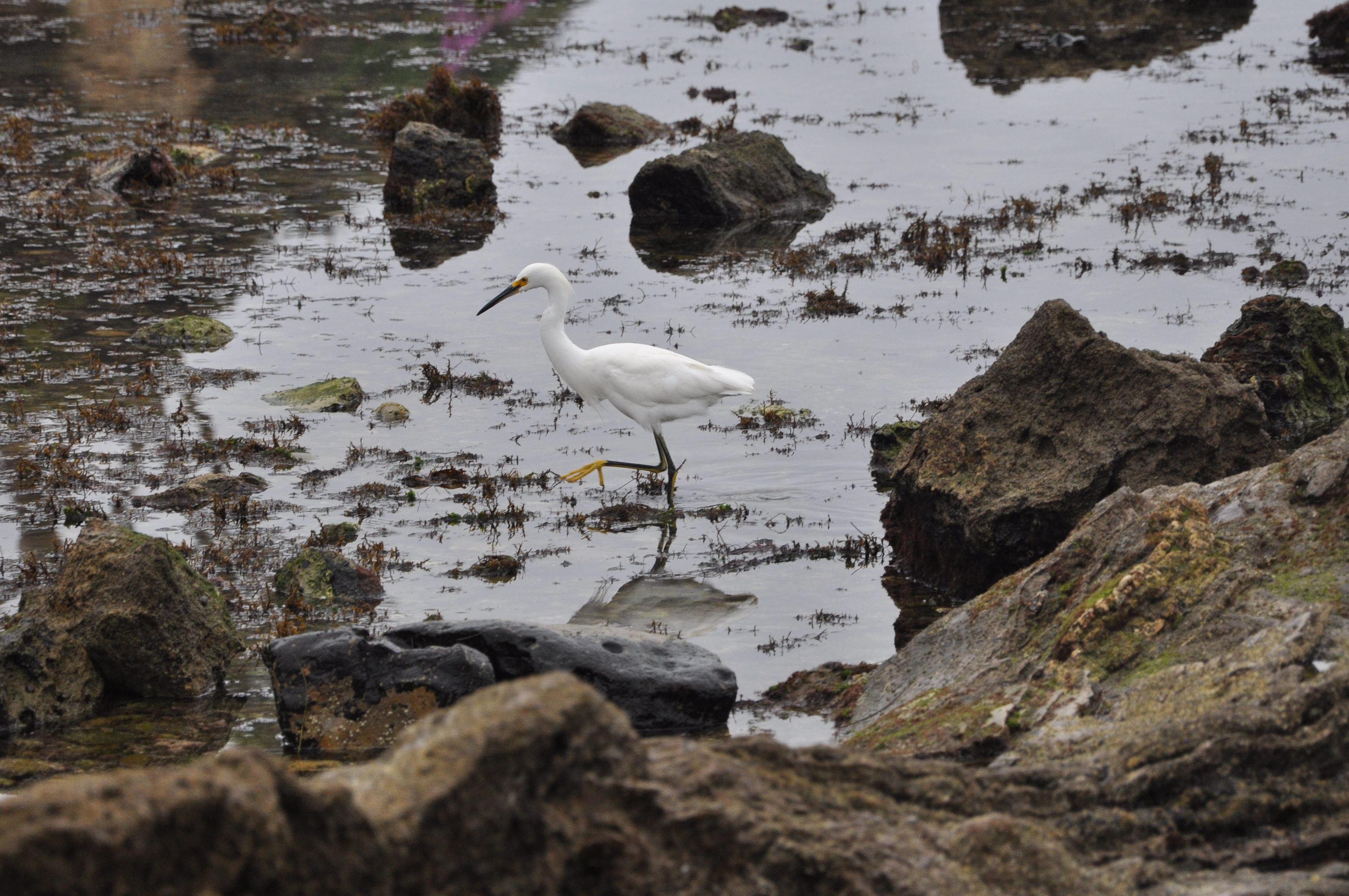
There are some animals that you can touch in the tide pools, but don’t ever disturb, irritate, or harm any of the life you see. This usually includes not picking them up, not deliberately scaring them, and not disrupting the pool they are living in. A good rule of thumb is to only lift rocks that you can lift and replace with one hand.
3. Don’t litter, ever

This should be glaringly obvious. Pollution from trash and toxic materials and chemicals is a huge problem in our waterways. It’s not that difficult to put your trash in your pocket instead of throwing it into the ocean.
If you want to help with this problem, pick up trash that you see at the tide pools that might have washed in from other places. It’s easy to become angry at negligent people, but contribute to the solving of the problem by cleaning up anything you see.
4. Don’t step on anything live

The tide pools are quite literally encrusted with life. Educate yourself about what is alive and do your absolute best not the step on (and squish) these animals. This is a rock covered in mussels and goose neck barnacles, all of which are alive.
You can step on sea weed that is out of the water, but be warned that this is slippery. Try to avoid stepping in the water wherever you can as this can disturb the life there.
5. Don’t crowd people or animals

If someone finds something cool, don’t crowd them or push them out of the way. This is common curtesy, but especially among avid tide poolers it’s polite to ask to take a photo of the rare nudibranchs or marine worm they found instead of barging in.
It’s also important to not crowd animals, mostly because this will scare them off, but also for their safety. And your’s. Never approach seals or sea lions you see at the tide pools. These animals can be aggressive or bite if threatened.
6. Watch the ocean and the tides

We all loose track of time tide pooling, but it’s important to keep an eye on the tides and the waves for safety. “Sneaker waves” can often come in unexpectedly and knock you off your feet if you’re not careful. This can result in anything for just getting wet to getting swept out in the breakers and tossed against the rocks. Know what time the tide starts to come in and watch the waves. A good rule of thumb is to not turn your back on the waves, so you can always see them coming.
7. Control your dogs
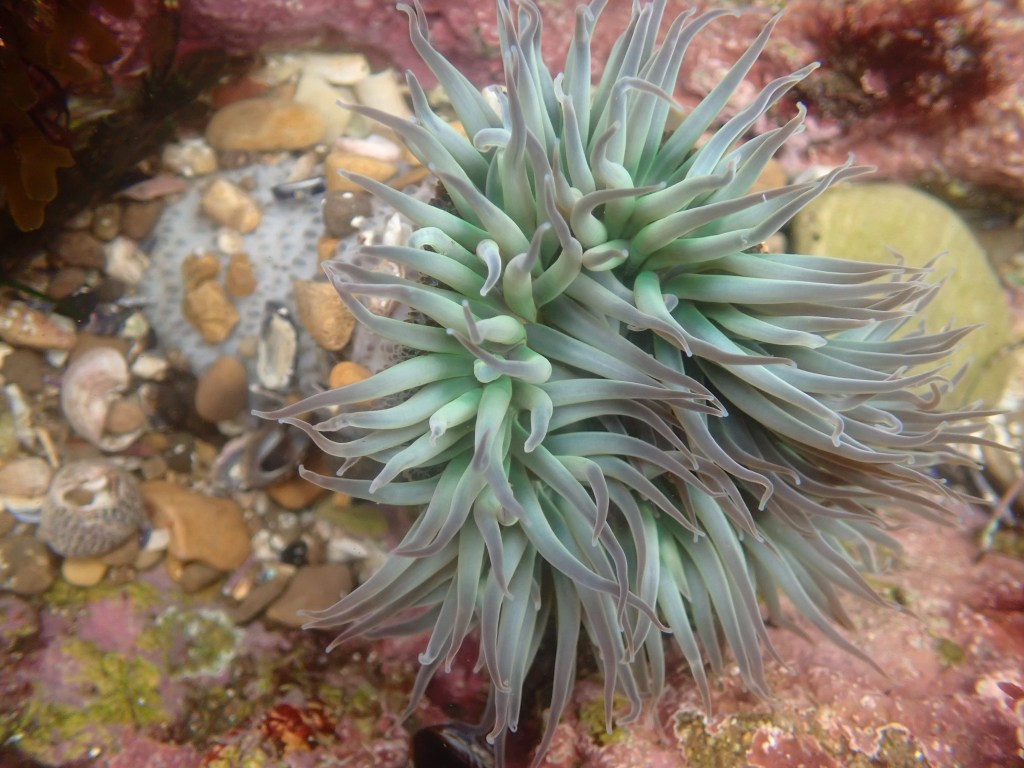
If you want to bring your dogs to the tide pools, first make sure dogs are allowed on that particular beach. If they are, make sure to keep your dogs leashed and under control. Not only can a hyper dog scare or even eat wildlife, they can slip on wet rocks as well and injure themselves.
8. Brief your kids on how to act

The tide pools are a great place to encourage your kids to be curious and to introduce them to marine life and conservation. But before you go, make sure they known how they should act. Tell them what animals they might see, that they shouldn’t take anything or scare the animals, and to watch where they step. It’s also a good idea to brief kids of tide pool safety, especially sneaker waves that can easily knock a small child off their feet.

Categories
tags
Subscribe to the blog
Sign up to receive weekly emails with tide pooling information and guides so you never miss a post!
 The Tide Is Out
Leave a comment