
The Avid Tide Pooler’s Blues

This story can be told over and over again. I park up on the bluff overlooking the sea and step out of my car. The air is cool, wet with moisture and I can just barely make out the rocky cliffs through the low clouds. Southern California spring is always like this. It will be sunny— and crowded— later, but for now I scramble down the steep path toward the sand alone.
The beach is empty; it’s low tide. My favorite tide pool haunt was clear of people and I hoped full of exciting nudibranchs or other unusual creatures for me to see and photograph. As I make my way across the slippery rocks, I barely notice the sunburst anemones that I was fascinated with as a child or the striped shore crabs scuttling out of my way.
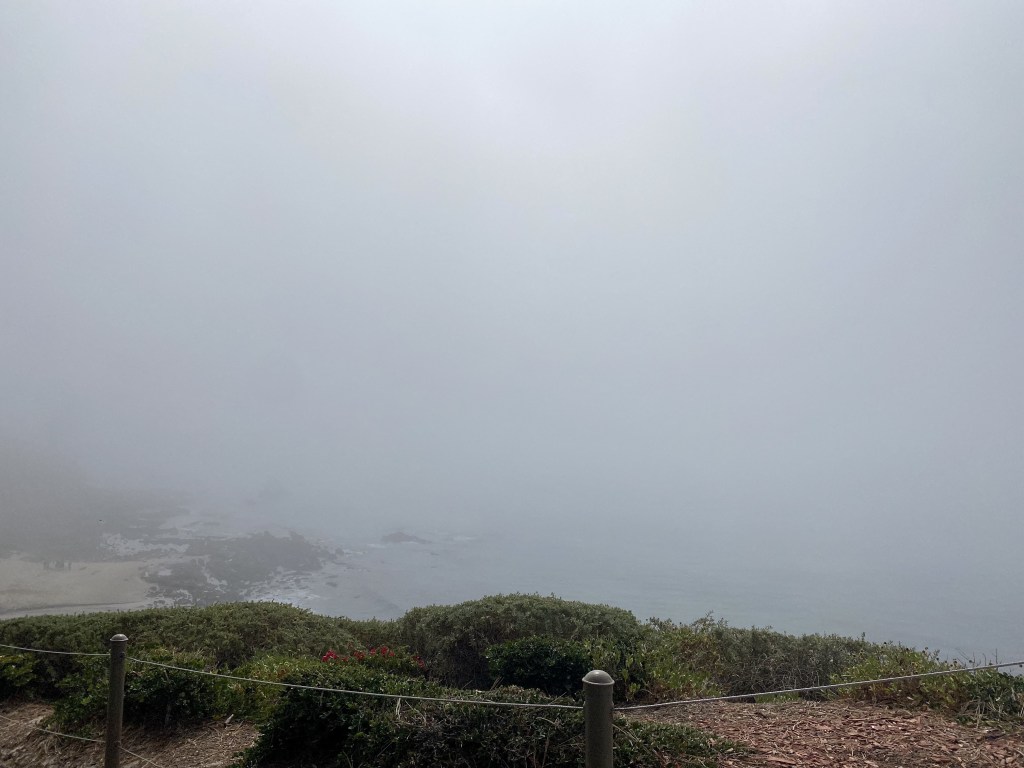
Once I’m out where the waves are still occasionally stirring up the water, I look into my first pool.
Nothing.
After a few minutes, I move on to another. Still nothing. I peer under rocks. I move the sea grass. I look at every pool from all angles, and still I see nothing that prompts me to reach for my camera. There might be a Hopkins Rose Nudibranch or two, the most common sea slug in these tide pools and I might take a few pictures. But as the morning wears on and the fog burns off, I have an empty memory card, sore knees, and little to show for my early morning efforts. I visit familiar pools that I know have Christmas tree worms and snap a few pictures before heading out. The tide is coming back in, and it’s getting hot.
This image of a tide pooling adventure is hardly what most avid tide poolers want. The tide pools are brimming with life and yet somehow you go and you search and you don’t see anything. This blog focuses mostly on the amazing animals you’ll find in the tide pools, beautiful images of them, and guides about how to explore tide pools safely. But not all tide pooling is rewarding or enjoyable; sometimes it seems like you don’t see anything at all.
For every one picture I post here or on my socials, there are about 100 of the same animals that are blurry or crooked. There are few things more frustrating to me than seeing a tide pool creature that quickly hides itself in the algae or crawls away under a rock. You peer underneath the rock and almost take an unintentional dive into the pool– but all to no avail. The animal is gone.
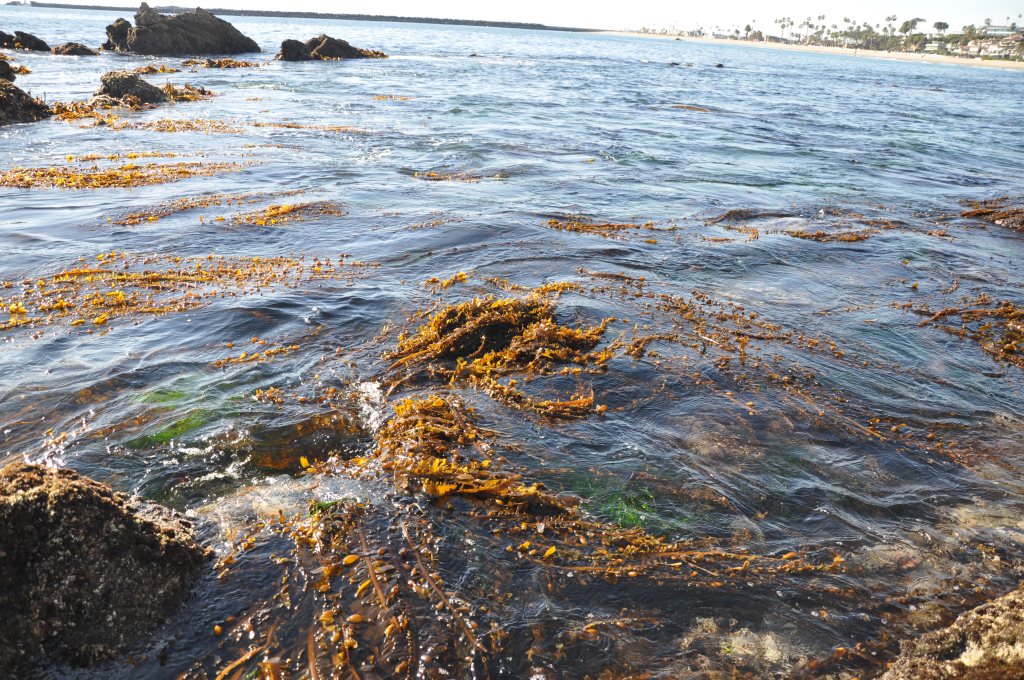
Despite knowing many tips and tricks, even nudibranchs sometimes elude me. I have yet to see many species that I’d like to. I’ve long looked for a cockscomb dorid or a Baba’s festive aeolid. Visiting the tide pools can sometimes be as frustrating as it is enjoyable.
Of course, many who visit the tide pools never experience this frustration. For the first time tide pooler, everything is an unusual animal, and thus fascinating. The dark blue mussels attached to the rock, the bright purple sea urchins nestled in shallow pools, the anemones gently waving their tendrils in the current, and hermit crabs withdrawing into their shell if your shadow falls on them. I can remember a time when I took delight in every creature I found at the tide pools.
And I miss those days.
I don’t think I am alone among avid tide poolers who feel the frustration of not finding the creatures they’re looking for. A determination to find a feather duster worm, a Price’s aeolid, or a green bubble snail can not only bring on the disappointment of the avid tide pooler’s blues, but also create a tunnel vision where we don’t notice many of the more commonplace animals that are sprinkled— no, more than sprinkled— that are smothering the tide pools. We end up just trying not to step on the gooseneck barnacles encrusting the rocks and sighing when we realize it’s only the arm of a western spiny brittle star and nothing more unique.
I remember a newbie tide pooler once telling me they had found “some really brightly colored crabs over here.” I expected to see something unusual, as brightly colored isn’t the description I’d use for any normal crabs that I saw. They had seen striped shore crabs, perhaps the most abundant crab on the rocky shores. They often try to pinch me while I film other creatures. But I looked at them more closely this time; they were brightly colored. Thin stripes cover the crabs in shades of green, red, and blue such as I had never noticed before.

Avid tide poolers would do well, I think, to remember when they first came to the tide pools and what it felt like to see all the creatures for the first time. Bring someone who has never been and enjoy their excitement and curiosity. Don’t get too frustrated that you didn’t find a lifer or the nudibranch that someone saw yesterday. I too enjoy seeing the rare and unique, but all the creatures in this ecosystem are beautiful and are worth pulling out my camera for.

Categories
tags
Subscribe to the blog
Sign up to receive weekly emails with tide pooling information and guides so you never miss a post!
 The Tide Is Out
Leave a comment