
Tide Pooling: to Touch or Not to Touch?

What you can touch— and what you shouldn’t touch— while exploring the tide pools is a common question and the answer is more complicated than you might think. Especially when taking kids to the tide pools, it’s difficult to know how much to restrain their curiosity for their safety and how much to encourage them to explore.
Here’s a breakdown of what you can and can’t touch in the tide pools safely. I won’t cover every organism in this post, but you’ll get the general idea.
When in Doubt— Don’t Touch
Despite the tide pools being a relatively safe way to see ocean life, there are still creatures that can cause you harm when touched. Mostly these are animals that pinch, bite, or poke, but there is always the chance that a toxic sea jelly was washed in by the waves or that a poisonous fish has taken up residence in a deeper pool. These creatures can cause more harm than a small pinch or bite, however unlikely it is that you would see one.
Moral of the story, if you can’t remember if you can touch a certain animal or if you don’t know what you’ve found, don’t touch it. Better safe than sorry.
What Not to Touch at the tide pools
There are some animals in the tide pools that you shouldn’t touch, for your safety, the animal’s wellbeing, or both! While we want to stay safe while exploring rocky shores, we also need to make sure we are preserving the ecosystem for others to enjoy. You wouldn’t want the animals to get scared and never come back, ruining your favorite tide pool haunt.
Here’s a list of things you shouldn’t touch in the tide pools because you’re going to hurt it or because it’s going to hurt you. Check out the gallery below to see photos of these animals.
- Sea Urchins: I learned as a young kid not to touch sea urchins. The toxin in their spines isn’t enough to harm humans, but they are worse than splinters to remove.
- Shore Crabs and Lobsters: You’ll see in the list below some crabs that you can touch, but these guys can get big and are very powerful. You don’t want an angry shore crab or lobster pinching your hand.
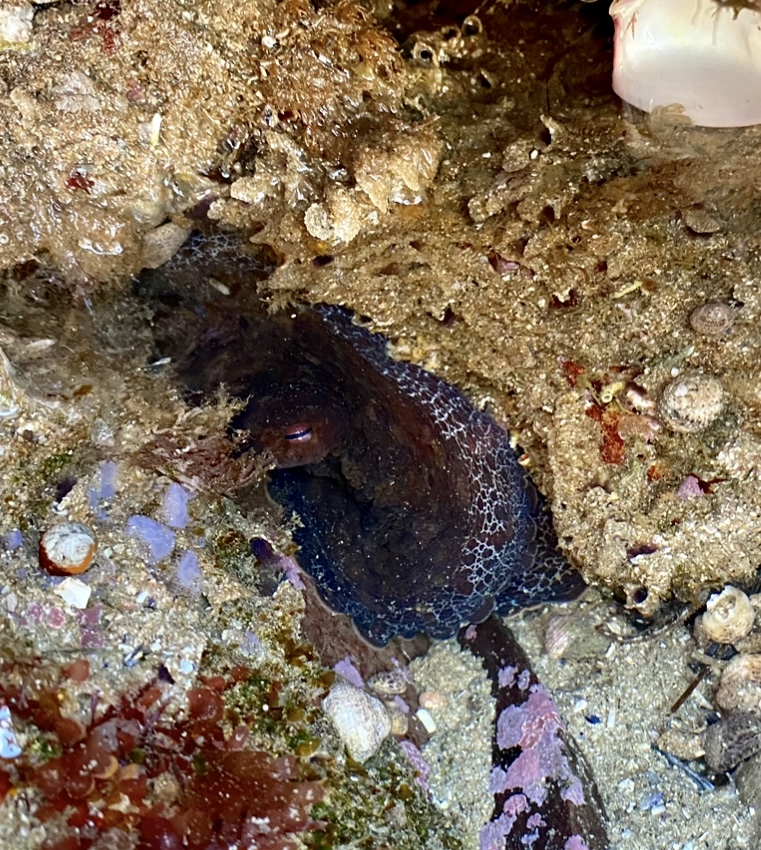
- Octopi: Honestly, octopi are kind of intimidating and they are more likely to try to touch you than you are to try to touch them, reaching out and grabbing you or your camera with their suction cup arms. But for the brave among you, don’t try to touch an octopus in the tide pools. They are incredibly strong and have a very sharp beak that they can use to bite when threatened.
- Eels and Small Sharks: These animals are seldom seen in the tide pools, but it’s best to avoid touching them if you do see them. Not only can both these animals bite if they feel threatened, they are also shy and will usually leave if touched. Don’t disturb these creatures.
- Sea Jellies: No-brainer here: don’t touch the stinging sea jellies. Sea jellies don’t live in the tide pools, but they can be washed into them by the waves and can still sting when dead.
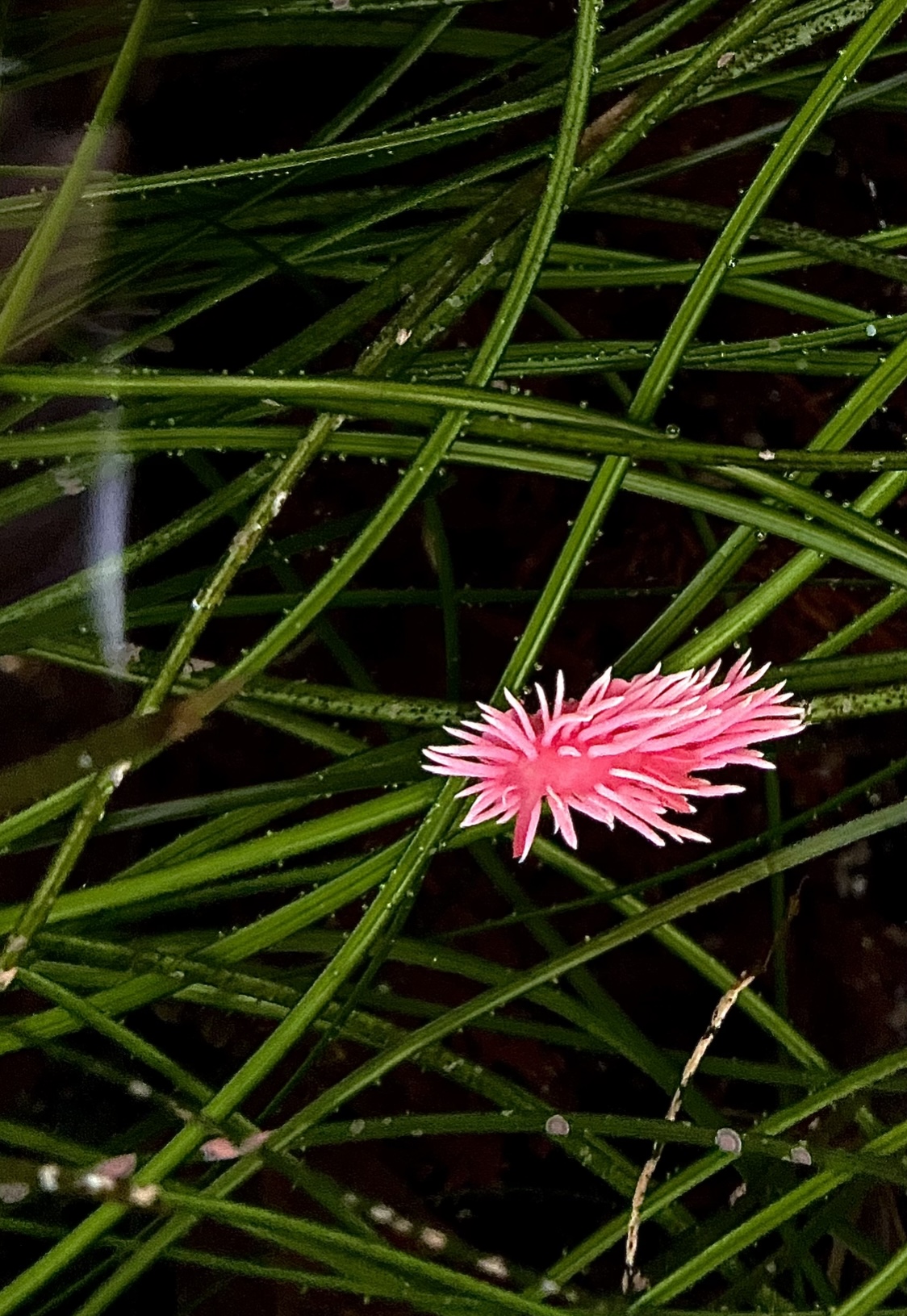
- Nudibranchs: The ones that sting won’t be powerful enough to hurt humans, but because of their small size and soft bodies, you are likely to harm the sea slugs in the tide pools if you try to touch them.
- Seals and Sea Lions: Sometimes tide poolers see these animals on the rocks they are exploring. They may look cuddly, but they can bite and should be given space so as not to disturb them. You don’t want to surprise a 600 pound male California sea lion getting his beauty sleep in the sun.




What You Can Touch at the tide pools
As I said above, it’s sometimes best to avoid touching any animals at all in the tide pools, but a gentle touch can spark the curiosity of a child like few other things can. There are a few animals that live in the tide pools that you can touch safely, without harm to you or them. Make sure that you and your little ones touch gently with two fingers (to discourage poking). See the gallery below for images of these animals
Here is a list of some animals you can touch while exploring the tide pools.
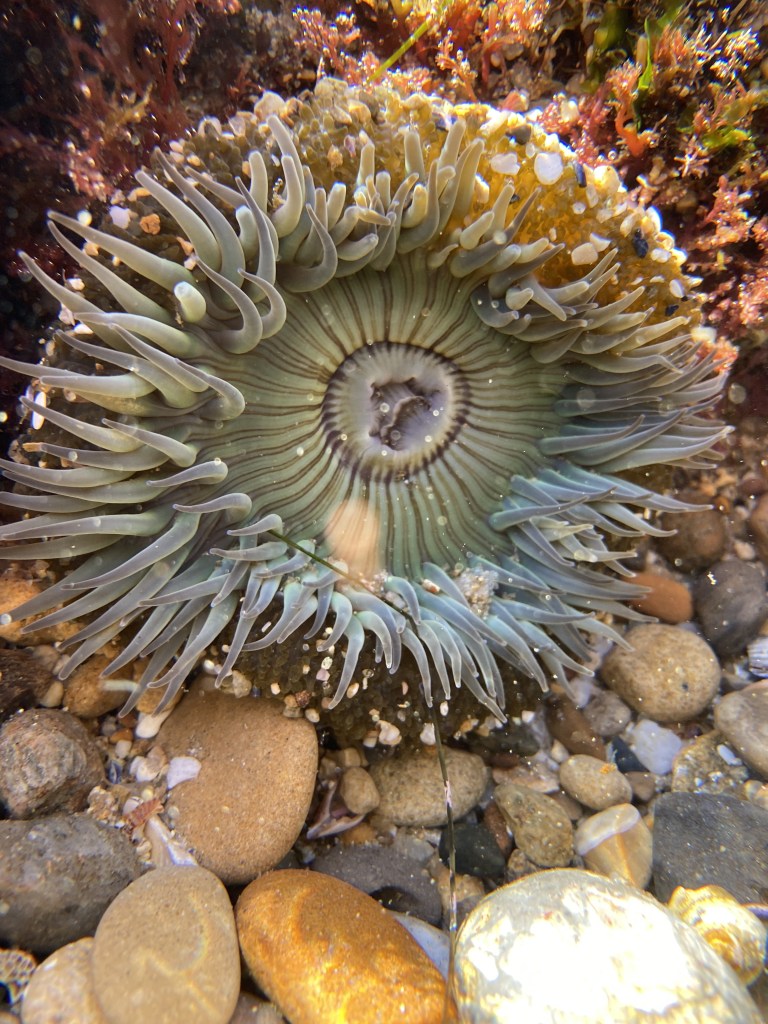
- Anemones: These were probably the first tide pool animals I touched as a child. They are sessile (don’t move) and live high in the intertidal zone, so they are fairly easy to reach. These animals do sting, but the toxin isn’t strong enough to harm humans. Gently place two fingers on the tips of the anemone’s tentacles. It will begin to pull you in, thinking you are some small prey. Pull away gently.
- Hermit Crabs: Hermit crabs are a great introduction to crustaceans as they don’t really pinch. If you pick up a hermit crab by its shell, it will hide inside. Place the shell on your hand beneath the water, then hold still and wait for the crab to feel safe enough to come out. Let it crawl off your hand or gently place it back in the spot you found it.
- Sea Stars: These are great to touch because they often have a harder exterior and don’t seem to mind being touched. Still only gently stroke with two fingers. If you see a smaller star moving, it’s more than likely a brittle star; refrain from touching these more fragile creatures.
- Sea Hares: While you shouldn’t touch nudibranchs, sea hares are much larger sea slugs (sometimes more than a foot long), that can be touched. Gently stroke the side of the sea hare with two fingers, avoiding the very top (back) where the gills are.
- Barnacles, Mussels, and Limpets: These sessile animals will most likely have their shells closed when you see them, so really you are touching their shells. They are often harmed by people stepping on them (their shells are sharp anyway), but you can touch their shells with your hand.


There you have it! An easy run down of what you can and can’t touch in the tide pools. Make sure to always explore our rocky shores responsibly, so that you and others can continue to enjoy these places in the future. Thanks for reading and happy tide pooling!

Categories
tags
Subscribe to the blog
Sign up to receive weekly emails with tide pooling information and guides so you never miss a post!
 The Tide Is Out
Leave a comment